Skip to content

News for pilgrims

Visa rules, Nusuk and Rawdah changes, transport and season dates — short, with what it means for your trip.

  • Extreme Heat in Sacred Places: How Pilgrims Can Survive 45°C

    Extreme Heat in Sacred Places: How Pilgrims Can Survive 45°C

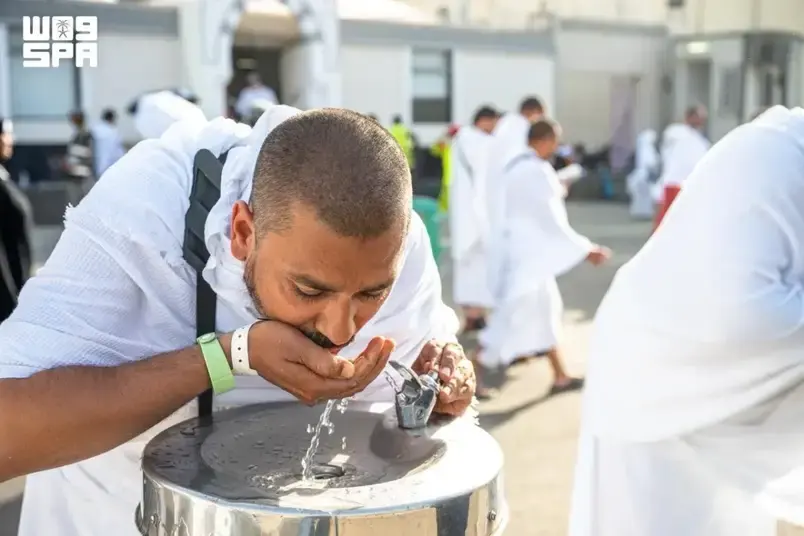
    MINA — The National Center for Meteorology (NCM) revealed that Mina recorded a temperature of 45 degrees Celsius on Monday, the Day of Tarwiyah, with wind speeds reaching 26 km/h and humidity levels peaking at 36 percent. NCM stated that Arafat has remained the hottest among the holy sites since the start of the season, having recorded 48 degrees Celsius last Saturday. Preliminary readings indicate that temperatures in Arafat could reach approximately 45 degrees Celsius during peak hours on Tuesday, the Arafat Day. NCM spokesperson Hussein Al-Qahtani said that the center continues to monitor w
  • Healthcare During Hajj: Full Preparedness for Pilgrim Safety

    Healthcare During Hajj: Full Preparedness for Pilgrim Safety

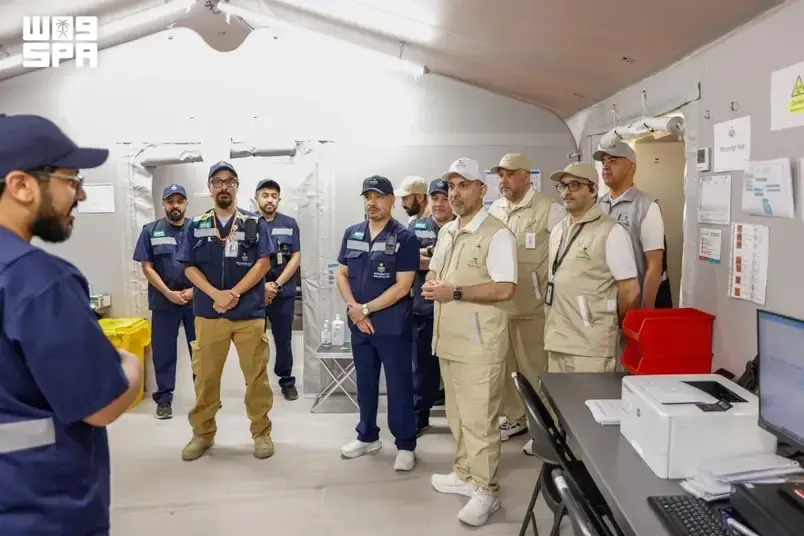
    MINA — Minister of Health Fahad Al-Jalajel visited the field hospital of the Ministry of Interior in Arafat on Monday. During the visit, he reviewed the hospital’s readiness and the healthcare services provided during the Hajj days. The minister listened to a briefing on the hospital’s operational capacity, service delivery pathways, and procedures for handling urgent and emergency cases, including heat exhaustion and sunstroke. The briefing also covered resuscitation services, short-term intensive care, medical observation, infection control measures, and preventive medicine services. Al-Jala

  • Crowd Management at Holy Sites: Rules and Recommendations for Pilgrims

    Crowd Management at Holy Sites: Rules and Recommendations for Pilgrims

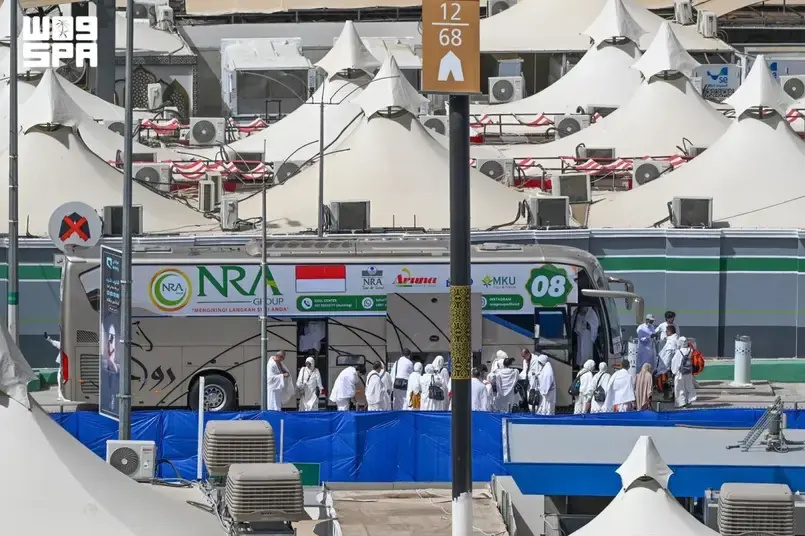
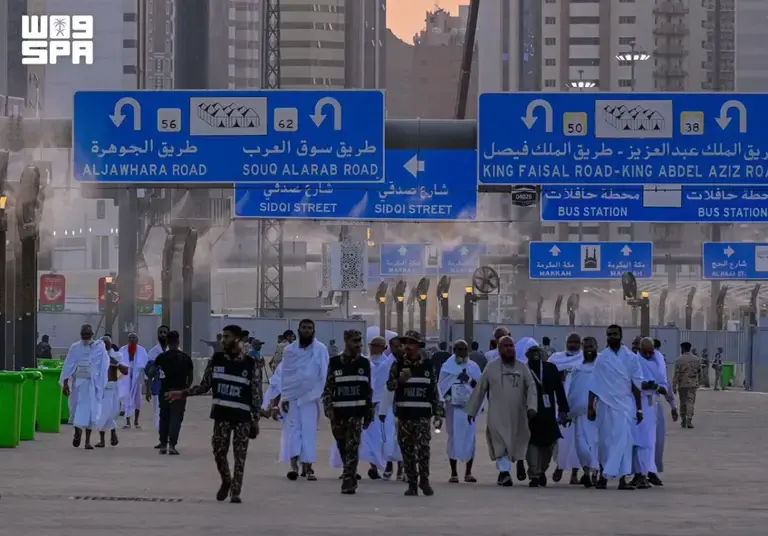
    MINA — The Ministry of Hajj and Umrah stressed the importance of pilgrims adhering to the approved crowd management plans and their designated schedules, contributing to the smooth movement between the holy sites and enhancing their safety and comfort. The ministry called on pilgrims to follow the programs of their assigned Hajj service providing companies, comply with specified crowd management schedules, and avoid moving individually outside the organized system. “The compliance with crowd management plans reflects pilgrims’ awareness and commitment to performing the rituals properly, helping

  • Mobile Stroke Clinics at Hajj: Saving Lives in Minutes

    Mobile Stroke Clinics at Hajj: Saving Lives in Minutes

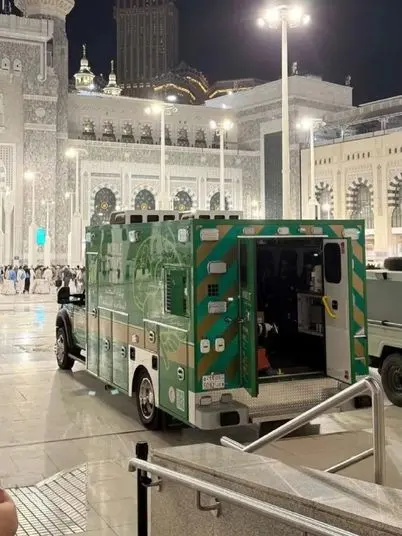
    Mobile clinics are used for treating strokes during Hajj, equipped with CT scanners and modern emergency medical equipment. The main advantage is that doctors can diagnose strokes on-site, saving critical time. Quick assistance can save lives and prevent severe consequences. The mobile clinic is equipped with CT scanners, monitoring systems, resuscitation equipment, ultrasound machines, telemedicine for specialist communication, and direct links to hospitals. Authorities report a 65% reduction in response time for strokes after the launch of these units.