
Healthcare During Hajj: Full Preparedness for Pilgrim Safety
MINA — Minister of Health Fahad Al-Jalajel visited the field hospital of the Ministry of Interior in Arafat on Monday. During the visit, he reviewed the hospital’s readiness and the healthcare services provided during the Hajj days. The minister listened to a briefing on the hospital’s operational capacity, service delivery pathways, and procedures for handling urgent and emergency cases, including heat exhaustion and sunstroke. The briefing also covered resuscitation services, short-term intensive care, medical observation, infection control measures, and preventive medicine services. Al-Jala
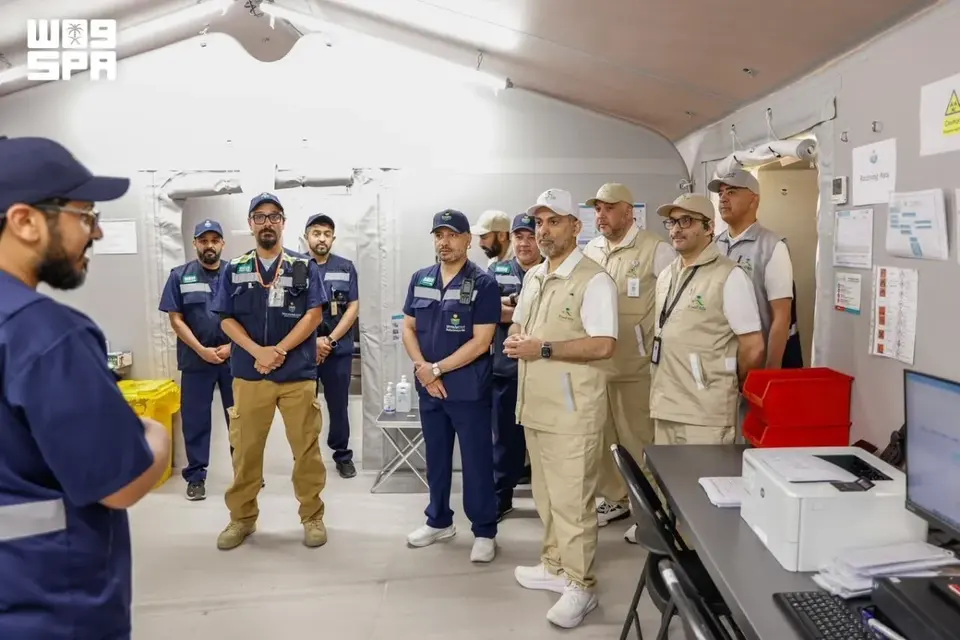
The Minister of Health of Saudi Arabia inspected a field hospital in Arafat, confirming the comprehensive preparation of medical services to serve pilgrims during Hajj, with a special focus on heat stroke prevention and emergency care.
Inspection of Medical Readiness in Arafat
Health Minister Fahad Al-Jalajel visited the Ministry of Interior's field hospital in Arafat to assess the readiness of the medical facility to serve pilgrims. During the visit, he reviewed the operational capacity of the hospital, service delivery pathways, and procedures for responding to urgent and emergency situations. Special attention was given to the hospital's ability to handle heat exhaustion and sunstroke—common issues in the high temperatures characteristic of the Hajj period in Saudi Arabia.
Range of Medical Services Provided
The field hospital is equipped with a full range of modern services to ensure the safety of pilgrims. It includes intensive care units, short-term intensive therapy, medical observation, as well as infection control and preventive medicine services. This multi-tiered structure allows for assistance with various conditions—from mild ailments to critical cases. The integration of these services ensures continuous care and the fastest possible response to emergencies.
Coordination and Networking
The minister's visit highlighted the importance of coordination among all health authorities involved in serving Hajj. The field hospital in Arafat plays a key role in supporting a broader network of healthcare providers, ensuring efficiency and coherence in operations. This interaction is critically important for serving both pilgrims and law enforcement personnel working during Hajj. Improved operational readiness contributes to a safer conduct of religious rituals.
Priority of Pilgrim Safety
Saudi Arabia demonstrates a serious approach to the health and safety of millions of pilgrims arriving for Hajj. The inspection of the field hospital reflects a commitment to enhancing readiness and quality of medical care. Authorities focus not only on treatment but also on disease prevention, including informing pilgrims about the use of umbrellas for protection against direct sunlight and adhering to crowd management measures at holy sites.
Frequently Asked Questions
What are the main health threats during Hajj?
The main risks include heat stroke and sun exhaustion due to high temperatures in Saudi Arabia, dehydration, infectious diseases in crowded conditions, as well as fatigue from prolonged religious rituals. Field hospitals are equipped for rapid response to these conditions.
What services does the field hospital in Arafat provide?
The hospital provides resuscitation, intensive care, medical observation, infection control, and preventive medicine services. Staff are trained in procedures for handling urgent and emergency cases, including cardiopulmonary resuscitation and patient stabilization.
How can pilgrims protect themselves from heat stroke?
Recommendations include using umbrellas for protection against direct sunlight, avoiding sun exposure during midday, staying hydrated, wearing light and light-colored clothing, and following established crowd management procedures at holy sites to reduce fatigue.