
Mobile Stroke Clinics at Hajj: Saving Lives in Minutes
Mobile clinics are used for treating strokes during Hajj, equipped with CT scanners and modern emergency medical equipment. The main advantage is that doctors can diagnose strokes on-site, saving critical time. Quick assistance can save lives and prevent severe consequences. The mobile clinic is equipped with CT scanners, monitoring systems, resuscitation equipment, ultrasound machines, telemedicine for specialist communication, and direct links to hospitals. Authorities report a 65% reduction in response time for strokes after the launch of these units.
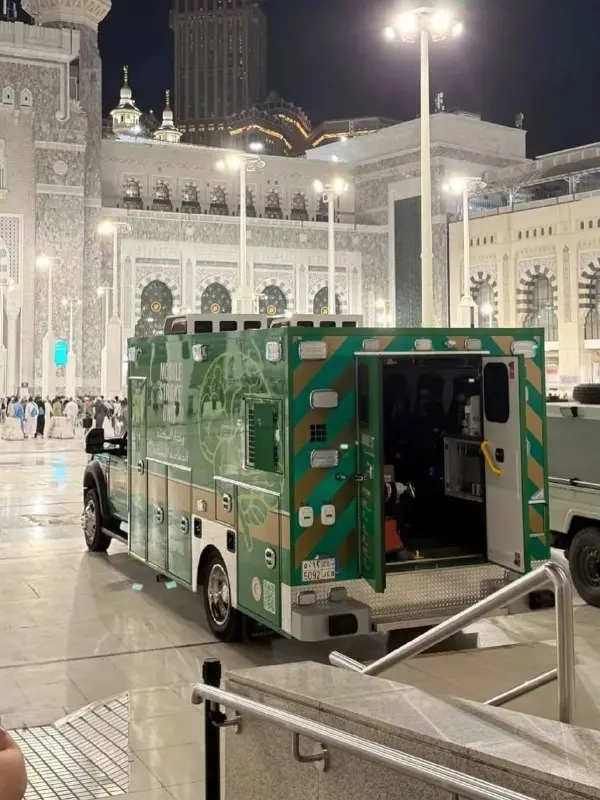
Saudi Arabia has deployed innovative mobile medical units for the emergency treatment of strokes during the pilgrimage. Equipped with CT scanners and resuscitation equipment, they reduce diagnosis time and save the lives of pilgrims.
Why Time is Critical in a Stroke
A stroke is one of the most dangerous conditions requiring immediate intervention. Every minute of delay can lead to irreversible brain damage and disability. Traditionally, pilgrims facing a stroke had to wait for evacuation to a stationary facility, which could take precious time. Mobile clinics address this problem radically: doctors diagnose and begin treatment right on site, without transporting the patient. This significantly increases the chances of complete recovery and prevents severe consequences.
What’s Inside the Mobile Unit
The mobile clinic is equipped with everything necessary for the emergency diagnosis and treatment of neurological emergencies. It includes a CT scanner for accurately determining the type of stroke (ischemic or hemorrhagic), continuous patient monitoring systems, a full range of resuscitation equipment, and portable ultrasound diagnostic devices. The clinic is also equipped with a telemedicine system for consultations with specialists and direct communication with nearby hospitals. This approach ensures comprehensive care at the scene and, if necessary, coordinated hospitalization.
Results and Impact on Pilgrim Safety
After the deployment of these innovative units, effectiveness indicators have significantly improved. Response time to stroke cases has decreased by 65%, which directly impacts patient survival and recovery quality. Pilgrims receive assistance during the critical period when it is most effective. This solution demonstrates the commitment of Saudi authorities to ensuring the safety and health of millions of people coming for the sacred pilgrimage. The innovative approach to medical care is becoming a standard that other countries hosting large religious events aspire to.
Expanding the Scope of Assistance
Mobile clinics are designed not only for stroke treatment. They are capable of providing assistance in various neurological and cardiological emergencies, making them a versatile resource for protecting the health of pilgrims. The deployment of several such units along routes and in crowded areas ensures maximum coverage and accessibility of emergency assistance. This is especially important during peak days of Hajj when the number of pilgrims reaches critical levels, and the risk of medical emergencies increases manifold.
Frequently Asked Questions
How quickly can the mobile clinic diagnose a stroke?
CT scans are performed within 10-15 minutes of the patient's arrival. This allows doctors to immediately determine the type of stroke and begin appropriate treatment, which is critical for preserving brain function.
What types of strokes can the mobile clinic treat?
The clinic can diagnose and provide initial assistance for ischemic strokes (blockage of blood vessels) and hemorrhagic strokes (bleeding). If necessary, the patient is transferred to a specialized hospital while maintaining the initiated treatment.
How many mobile clinics are deployed for pilgrims?
The exact number of units varies depending on the year and the number of expected pilgrims. They are strategically placed in areas of mass gatherings, along main routes, and near holy sites to ensure maximum accessibility.