
Sun Protection During Pilgrimage: Authorities' Recommendations
The National Center for Meteorology (NCM) called on pilgrims to follow preventive guidelines, especially during the midday hours from 11:00 AM to 3:00 PM, to help mitigate the effects of high temperatures at the holy sites.
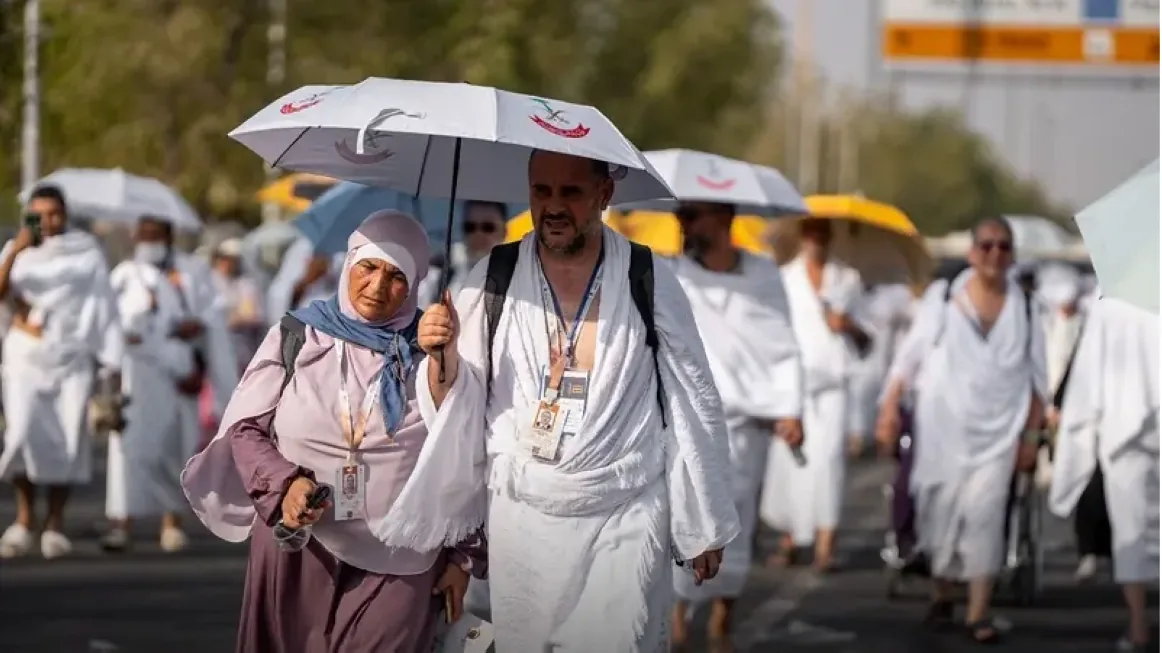
The National Center for Meteorology warns pilgrims about the dangers of direct sunlight at noon. The Ministry of Health recommends using umbrellas, drinking water, and avoiding prolonged walks from 11:00 AM to 3:00 PM.
The Danger of Midday Sun for Pilgrims
High temperatures are one of the main threats to the health of pilgrims visiting holy sites. The National Center for Meteorology constantly monitors weather conditions through a network of monitoring stations located in the sanctuaries. This data helps authorities make informed decisions to ensure safety. The hours from 11:00 AM to 3:00 PM are particularly critical when the sun is at its zenith and its impact is most intense. During this period, the risk of heat stroke and other heat-related conditions significantly increases.
Preventive Measures by the Ministry of Health
The Ministry of Health has developed specific recommendations to reduce risks associated with high temperatures. Key measures include using umbrellas while moving, regularly consuming water and other fluids, and avoiding prolonged walks in direct sunlight. These simple yet effective actions help the body cope better with the heat and prevent the development of dangerous conditions.
Signs of Heat Exhaustion and First Aid
Pilgrims should be aware of the symptoms of heat exhaustion to seek medical help in a timely manner. Key signs include dizziness, excessive fatigue, and profuse sweating. If any of these symptoms occur, it is essential to head to the nearest medical center or contact the medical teams stationed at the holy sites. Timely assistance can prevent the development of more serious complications and ensure the safe performance of religious rituals.
The Importance of Preparation and Awareness
A successful pilgrimage largely depends on prior preparation and understanding of the climatic conditions. Pilgrims are advised to check the weather forecast before the trip, choose appropriate clothing, and stock up on necessary items—an umbrella, hat, and sunscreen. Awareness of potential risks and readiness to follow official recommendations is key to focusing on spiritual practice in a safe and comfortable environment.
Frequently Asked Questions
Why is it especially dangerous to be in the sun from 11:00 AM to 3:00 PM?
During these hours, the sun is at its highest point above the horizon, and its rays fall almost vertically. The intensity of solar radiation is at its maximum, while shade is minimal. The body quickly loses fluids, increasing the risk of heat stroke and dehydration.
How much water should a pilgrim drink on a hot day?
The exact amount depends on individual characteristics and activity level, but experts recommend drinking water regularly in small sips, even if you do not feel thirsty. In hot weather, this can be 2–3 liters a day or more. Choose clean water and avoid excessive consumption of sugary drinks.
What should I do if I feel dizzy or fatigued during the pilgrimage?
Immediately find shade and sit down. Drink water in small sips. If symptoms do not improve within a few minutes, seek help at the nearest medical center or call for a medical team. Do not ignore signs of heat exhaustion—it can lead to serious complications.