
Extreme Heat in Sacred Places: How Pilgrims Can Survive 45°C
MINA — The National Center for Meteorology (NCM) revealed that Mina recorded a temperature of 45 degrees Celsius on Monday, the Day of Tarwiyah, with wind speeds reaching 26 km/h and humidity levels peaking at 36 percent. NCM stated that Arafat has remained the hottest among the holy sites since the start of the season, having recorded 48 degrees Celsius last Saturday. Preliminary readings indicate that temperatures in Arafat could reach approximately 45 degrees Celsius during peak hours on Tuesday, the Arafat Day. NCM spokesperson Hussein Al-Qahtani said that the center continues to monitor w
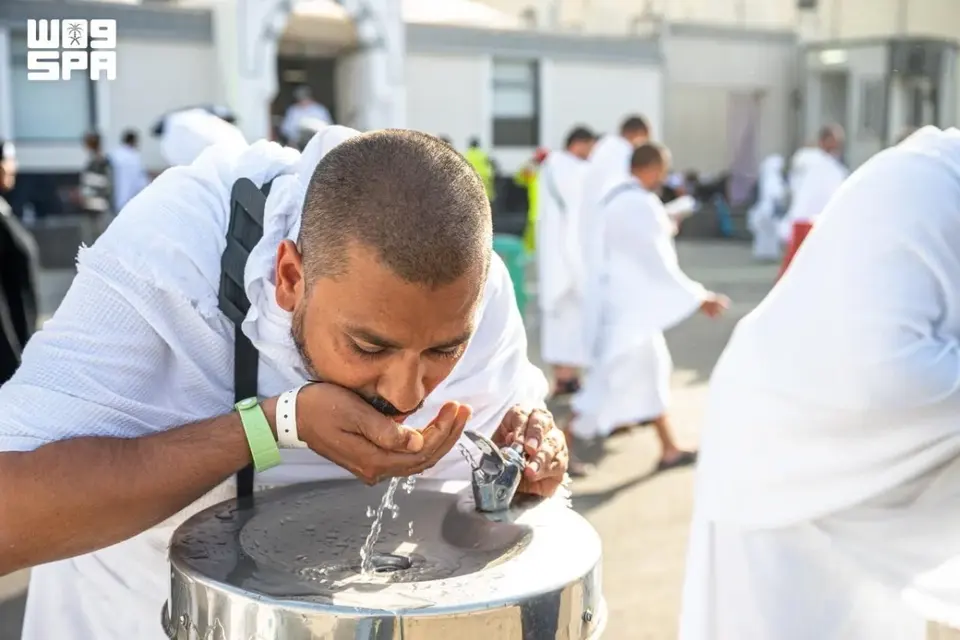
The National Center for Meteorology recorded a temperature of 45°C in Mina on the Day of Tarwiyah and forecasts similar readings in Arafat. We explain how to safely perform pilgrimage under extreme heat conditions.
Record Heat in Holy Places
The National Center for Meteorology (NCM) of Saudi Arabia recorded a temperature of 45 degrees Celsius in Mina on Monday, the Day of Tarwiyah. At the same time, wind speeds reached 26 km/h, and humidity levels were at 36 percent. Experts note that Arafat remains the hottest place among holy sites since the start of the pilgrimage season — temperatures there have risen to 48 degrees. Preliminary forecasts indicate that on Tuesday, the Day of Arafat, temperatures in this area may reach approximately 45 degrees Celsius during the daytime.
Why Heat is Dangerous for Pilgrims
Extreme temperatures pose a serious threat to people's health, especially for elderly pilgrims, children, and individuals with chronic illnesses. At temperatures above 45 degrees, the body quickly loses moisture, which can lead to dehydration, heat exhaustion, and heat stroke. Additionally, intense solar radiation increases the strain on the cardiovascular system. The National Center for Meteorology continuously monitors weather conditions in holy places through a network of advanced weather stations operating around the clock.
Recommendations for Heat Protection
NCM spokesperson Hussein Al-Qahtani emphasized the need to follow preventive measures. Pilgrims are advised to avoid direct sunlight during midday hours when temperatures peak. Drink water regularly and in sufficient quantities — do not wait until you feel thirsty. Use umbrellas, wide-brimmed hats, and lightweight light-colored clothing that reflects solar radiation. Wear comfortable shoes that do not rub your feet, and avoid physical exertion during the hottest hours of the day.
Signs of Heat Exhaustion and First Aid
It is important to know the symptoms of heat-related illness: weakness, dizziness, nausea, rapid heartbeat, headache. If you or someone nearby experiences these symptoms, immediately move to the shade or a cool place. Drink water in small sips, apply cold compresses to the neck and wrists. Remove excess clothing and allow the body to cool down. If the condition worsens, seek medical assistance. Field hospitals and medical points are established in holy places, ready to provide emergency care.
Frequently Asked Questions
When is the best time to perform rituals during such heat?
The early morning hours (before 9 AM) and evening hours (after 5 PM) are the most favorable for activity. During these periods, temperatures are significantly lower, and solar radiation intensity is less. Plan important rituals for these hours and rest in the shade during midday.
How much water should be consumed daily in such temperatures?
During extreme heat, it is recommended to drink 3–4 liters of water a day, dividing this amount into frequent small portions. Do not rely solely on the feeling of thirst — it can be misleading. Also, consume electrolytes through sports drinks or fruits to replenish mineral losses from sweating.
What clothing is best for pilgrimage in the heat?
Prefer lightweight, loose-fitting, natural fabrics (cotton, linen) in light colors — they reflect heat. Always wear a head covering and sunglasses. For women, traditional modest clothing can be adapted to ensure maximum ventilation and sun protection at the same time.