
Saudi Arabia Receives UN Award for Ecosystem Restoration
Саудовская Аравия получила награду ООН «Флагманы мирового восстановления» в знак признания неустанных усилий Королевства по расширению растительного покрова, восстановлению деградировавших земель, защите экосистем и сохранению биоразнообразия.
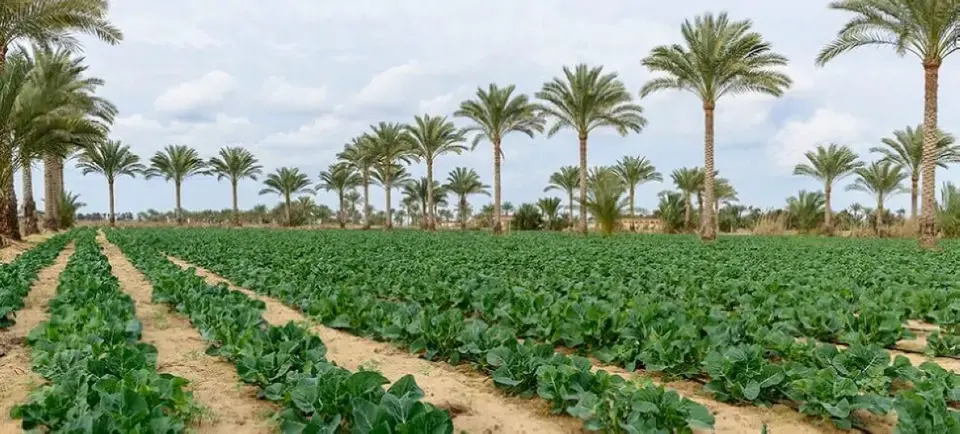
The Kingdom has been recognized as a global leader in restoring degraded lands and expanding vegetation cover. The national greening program has planted over 159 million trees and restored nearly one million hectares of land.
International Recognition
Saudi Arabia received the prestigious UN award "Flagship Initiatives for Global Restoration" at the 17th session of the Conference of the Parties to the UN Convention to Combat Desertification in Mongolia. This recognition reflects the Kingdom's years of efforts in ecosystem restoration, biodiversity protection, and combating land degradation. Saudi Arabia's national greening program was one of three initiatives highlighted by the UN alongside projects in Brazil and the Sahel, underscoring the scale and significance of Saudi environmental measures.
Impressive Results of the Greening Program
During the implementation of the National Greening Program, Saudi Arabia has planted over 159 million trees and restored nearly one million hectares of degraded land. The program includes not only afforestation but also natural vegetation regeneration, managed livestock grazing, and the relocation of endangered animal species, including Arabian oryx, gazelles, and mountain goats. Special attention is given to innovative methods such as rainwater harvesting and the use of treated wastewater in arid regions where traditional water sources are limited.
Ambitious Plans for 2030 and Beyond
Saudi Arabia has set ambitious goals under the "Vision 2030" framework. By 2030, the Kingdom aims to restore over 2.5 million hectares of land and plant 215 million trees. The long-term strategy includes restoring 40 million hectares and planting 10 billion trees. These ambitious goals are part of a comprehensive program to combat climate change, desertification, and drought, implemented in collaboration with local and international partners.
Ecotourism and Responsible Travel
The restoration of natural ecosystems in Saudi Arabia opens up new opportunities for responsible tourism. Pilgrims and travelers visiting the Kingdom's sacred sites and historical landmarks can become part of this global movement for nature conservation. By choosing eco-friendly routes and supporting local biodiversity restoration initiatives, tourists contribute to creating a sustainable future. Modern pilgrimage organization platforms help travelers select routes that minimize environmental impact and support local conservation projects.
Frequently Asked Questions
What animal species is Saudi Arabia restoring?
The restoration program includes the relocation of Arabian oryx, various species of gazelles, and mountain goats — animals that were on the brink of extinction. These species play an important role in desert ecosystems and help maintain the balance of nature.
How is water used in arid regions for restoration?
Saudi Arabia employs innovative methods, including rainwater harvesting and the use of treated wastewater to support land restoration. These technologies enable the implementation of greening projects in conditions of freshwater scarcity.
When will the restoration targets be achieved?
Intermediate targets for 2030 include restoring 2.5 million hectares and planting 215 million trees. Long-term ambitions include restoring 40 million hectares and planting 10 billion trees in a more distant perspective.