
Safety of Pilgrimage: How Quality is Controlled in Mecca
RIYADH — The Ministry of Municipalities and Housing, represented by the Holy Makkah Municipality, has announced the successful execution of its operational plan for the 2026 Hajj season. The plan was undertaken by a specialized workforce of over 22,000 personnel and supported by 3,000 pieces of equipment and machinery operating around the clock across Makkah and the holy sites. Ministry spokesperson Mohammed Al Rasasimah said that specialized teams conducted over 38,000 inspection visits to catering kitchens and food establishments in Makkah and the holy sites, testing more than 5,000 food sam
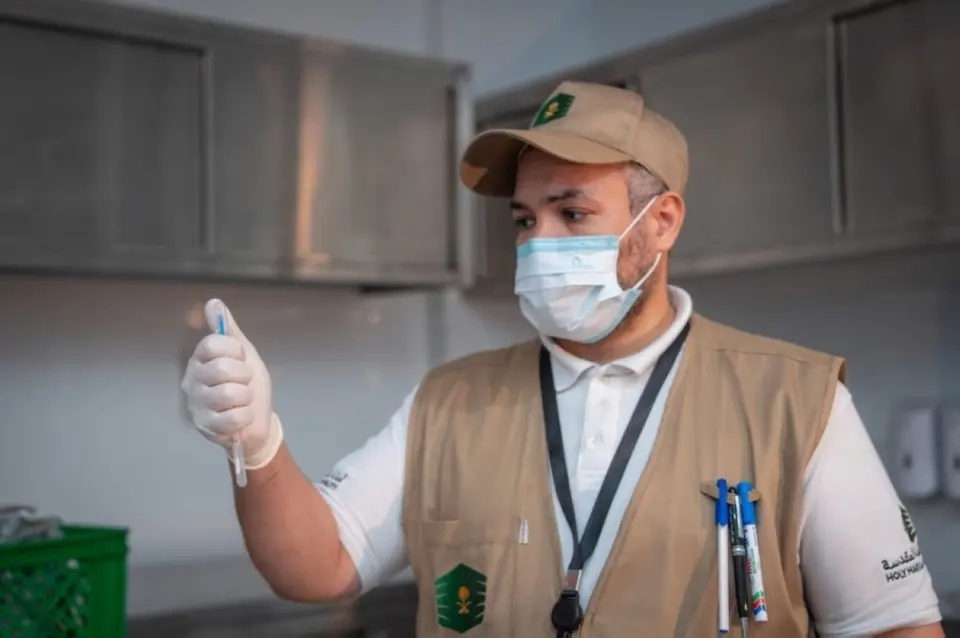
The municipal teams of Mecca conducted over 38,000 inspections of food establishments during the Hajj season 2026, ensuring the safety and well-being of millions of pilgrims.
Large-Scale Quality Control Operation
The Ministry of Municipal and Rural Affairs and Housing of Saudi Arabia launched an unprecedented operation to ensure the safety of pilgrims during Hajj 2026. More than 22,000 specialists and 3,000 pieces of equipment and machinery worked around the clock. Specialized teams conducted 38,000 inspection visits to kitchens and catering establishments in Mecca and the holy sites, testing over 5,000 food samples through field and stationary laboratories. The results are impressive: there were no reported cases of food poisoning throughout the season.
Sanitation and Waste Management
Efforts for cleaning and sanitation reached impressive scales. Since the middle of the month of Dhu al-Qi'dah, over 250,000 tons of waste have been removed from Mecca — an average of over 6,000 tons daily. More than 16,000 tons of garbage were cleared from the holy sites, with a daily average of 200 tons. Such organization is critically important for maintaining sanitary conditions in areas of mass gathering of pilgrims, especially considering the hot climate of the region and the need to prevent the spread of infectious diseases.
The Role of Volunteers in Organizing the Process
An integral part of the success was the involvement of over 21,000 volunteers of both genders. They provided field, organizational, and educational services: assisting with navigation, managing the flow of people, distributing water, umbrellas, and gifts. Volunteers created an atmosphere of care and support, turning the logistical operation into a hospitable experience. Their presence reduces the stress levels of pilgrims and contributes to overall safety at the holy sites.
Infrastructure Readiness for Mass Events
The successful conduct of Hajj 2026 demonstrated how modern approaches to event management can ensure the safety and comfort of millions of people simultaneously. Coordination among various municipal services, the use of advanced quality control technologies, and the mobilization of human resources create conditions under which pilgrims can focus on the spiritual aspect of their journey without worrying about basic safety and hygiene issues.
Frequently Asked Questions
How often are food establishments inspected during Hajj?
During the Hajj season 2026, specialists conducted over 38,000 inspection visits to food establishments. This ensured the testing of over 5,000 food samples through field and stationary laboratories with zero poisoning cases reported.
What volume of waste is removed from Mecca during the Hajj season?
In 2026, over 250,000 tons of waste were removed from Mecca itself, with a daily average of 6,000 tons, plus 16,000 tons from the holy sites. Such a scale of sanitation work is critical for maintaining hygiene during mass gatherings of pilgrims.
How many people are involved in ensuring the safety of pilgrims?
The operation involved over 22,000 municipal service specialists and 21,000 volunteers who worked on ensuring safety, sanitation, crowd management, and informational support for pilgrims.