
A Sign of an Accepted Hajj — Spiritual Transformation of the Pilgrim
MAKKAH — Sheikh Bandar Balila, imam and khateeb of the Grand Mosque in Makkah, said that a primary sign of an accepted Hajj is a pilgrim returning with a more pious heart and purer conduct. Delivering the Friday sermon at the Grand Mosque, Sheikh Balila emphasized that worship is a lifelong journey, describing Hajj as a school of faith that instills patience and monotheism. The imam reminded pilgrims to complete their remaining Tashreeq rituals, including the stoning of the Jamarat, and stressed that the Farewell Tawaf is mandatory before departing Makkah.
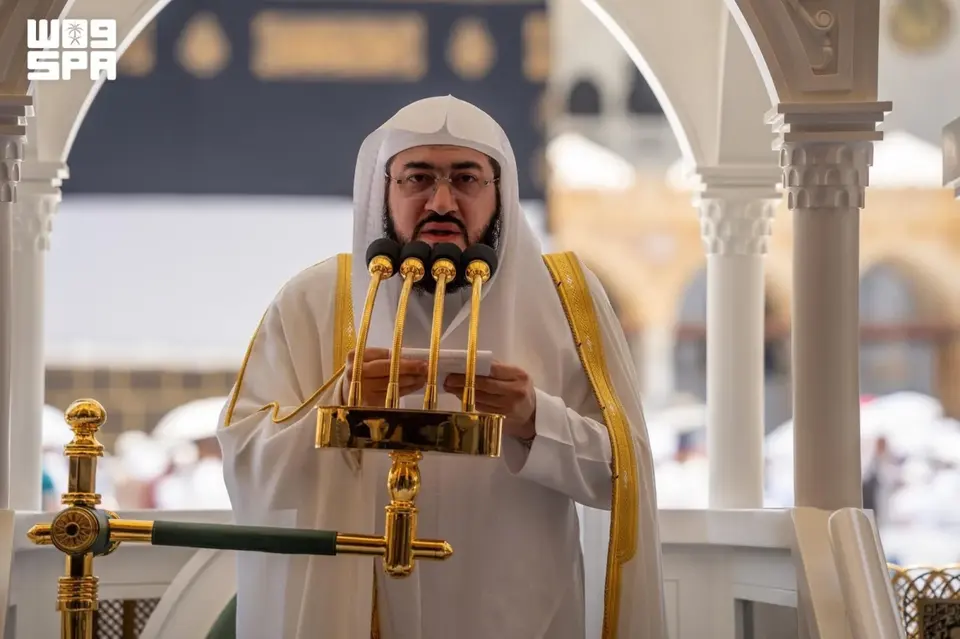
The imam of the Sacred Mosque in Mecca emphasized that the true sign of an accepted Hajj is the pilgrim returning with a purer heart and righteous behavior, not just the performance of rituals.
Hajj as a School of Faith and Spiritual Growth
Sheikh Bandar Balila, imam and preacher of the Sacred Mosque in Mecca, highlighted the profound meaning of pilgrimage in his Friday sermon. He described Hajj not merely as a set of physical rituals, but as a school of faith that cultivates patience, strengthens monotheism, and reshapes the inner world of the believer. According to the imam, worship is not an event, but a continuous journey that lasts a lifetime. Hajj becomes a milestone on this path, where the pilgrim learns humility, awareness of their place before the Almighty, and responsibility towards society.
The Main Criterion of an Accepted Hajj
The main sign that Hajj has been accepted by the Almighty is not external manifestations, but internal transformation. The pilgrim must return home with a purer heart, strengthened faith, and changed behavior. This means that a person begins to live by different principles: with greater honesty, justice, and compassion for others. The imam reminded that the true goal of Hajj is not to gain the title of "Hajji," but to be spiritually reborn and carry this purity into everyday life.
Completion of Tashreeq Rituals and the Farewell Tawaf
Sheikh Balila reminded pilgrims of the importance of completing all remaining Tashreeq rituals, including the stoning of the Jamarat. These days (from the 11th to the 13th of the month of Dhul-Hijjah) are an integral part of Hajj that requires attention and reverence. Furthermore, the imam emphasized that the Farewell Tawaf (circumambulation of the Kaaba) is a mandatory ritual before departing from Mecca. Without performing this ritual, the pilgrimage remains incomplete. Every pilgrim must understand the sanctity and significance of each action performed in the holy places.
Spiritual Preparation and Awareness in Worship
The imam's sermon underscores the necessity of a conscious approach to pilgrimage. Hajj is not a tourist tour or merely fulfilling an obligation. It is a deep spiritual journey that requires focus, attentiveness to one's feelings and thoughts. The pilgrim must constantly reflect on the meaning of each ritual, their connection with the Creator, and how these experiences can change their life. This approach transforms Hajj from a mechanical performance of rituals into a transformative experience that remains in the heart for a lifetime.
Frequently Asked Questions
What is the main sign that Hajj has been accepted?
According to the imam of the Sacred Mosque, the main sign is the pilgrim returning with a purer and more pious heart, with changed behavior and strengthened faith. This internal transformation is more important than receiving the title of "Hajji."
What rituals remain after the main days of Hajj?
Pilgrims must complete the Tashreeq rituals, including the stoning of the Jamarat (11th to 13th of the month of Dhul-Hijjah), and perform the mandatory Farewell Tawaf before departing from Mecca. Without these rituals, Hajj is considered incomplete.
Is Hajj a one-time event or the beginning of a spiritual journey?
Hajj is the beginning of a continuous spiritual journey. Worship does not end with returning home, but continues throughout life. The pilgrimage serves as a school of faith, where the believer receives lessons that should guide their future life.