
Kiswa of the Kaaba: the sacred garment of the Islamic sanctuary
On behalf of Custodian of the Two Holy Mosques King Salman, Deputy Emir of Makkah Prince Saud bin Mishaal handed over on Friday the new Holy Kaaba cover (Kiswa) to the Kaaba's gatekeeper.
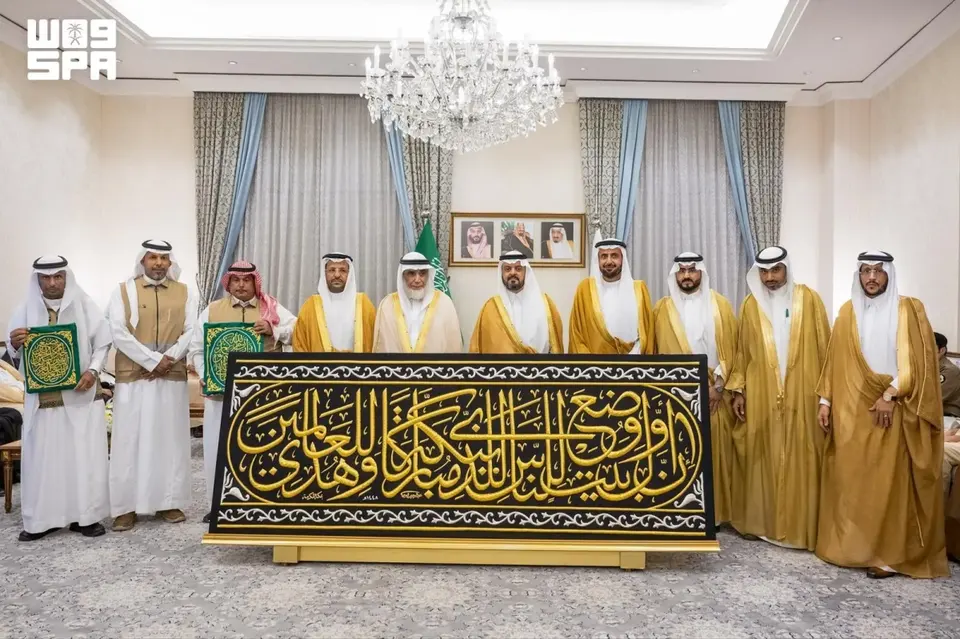
The annual replacement of the Kiswa — the black covering of the Kaaba — is one of the most significant traditions of the Islamic world. This act symbolizes respect for the sanctuary and continues the age-old customs of pilgrimage.
What is Kiswa and its historical significance
Kiswa is a precious black covering that envelops the Kaaba in the Masjid al-Haram. The word comes from the Arabic root meaning "clothing" or "covering." For over a thousand years, this tradition has remained an unchanging symbol of reverence for one of the holiest places in Islam. Every year on the first day of the month of Muharram (the beginning of the Islamic calendar), a solemn ceremony is held to replace the old covering with a new one. This practice dates back to pre-Islamic times and was continued by the Prophet Muhammad, giving it profound spiritual significance for millions of believers around the world.
The craftsmanship and materials
The modern Kiswa is made in a special complex where highly skilled artisans work. The covering is created from premium black natural silk, dyed using traditional methods. The height of the fabric is 14 meters, and its upper third is adorned with an embroidered belt that is 95 centimeters wide and 47 meters long. This belt is divided into 16 separate panels, each framed with elegant Islamic ornaments and calligraphic patterns. Every detail is created with extraordinary care, reflecting deep respect for the sacred purpose of this item. The manufacturing process requires months of meticulous work by experienced craftsmen.
The replacement ceremony as a spiritual event
The handing over of the new Kiswa to the keeper of the Kaaba is not just an administrative procedure, but a solemn act filled with spiritual meaning. The ceremony is conducted on behalf of the Custodian of the Two Holy Mosques and is accompanied by special rituals that have been observed for centuries. For pilgrims and believers, this time becomes especially significant as they can witness the renewal of the sanctuary and participate in this ancient custom. The moment of replacing the Kiswa often coincides with the beginning of the new Islamic year, symbolizing renewal and spiritual rebirth. Thousands of pilgrims gather in the Masjid al-Haram to witness this sacred event, which connects the past and present in a unified spiritual experience.
Significance for pilgrimage and tourism
For pilgrims from around the world, the opportunity to see the Kaaba in its renewed form holds deep emotional and spiritual significance. This event draws attention to the cultural and religious heritage of Islam, reminding of the importance of preserving traditions. Pilgrimage to Saudi Arabia becomes even more meaningful when travelers can connect with such ancient customs that continue to live and evolve. For those planning to visit the holy sites, understanding these traditions helps to appreciate the spiritual dimension of pilgrimage more deeply and prepare for the encounter with one of the most sacred sanctuaries of the Muslim world. Such events make the journey not just a tourist trip, but a genuine spiritual experience.
Frequently asked questions
How often is the Kiswa of the Kaaba replaced?
The Kiswa is replaced once a year on the first day of the month of Muharram in the Islamic calendar. This annual tradition has been observed for over a thousand years and remains one of the most important ceremonies in the Islamic world.
What material is the Kiswa made of?
The modern Kiswa is made from premium black natural silk, which is dyed using traditional methods. The upper part is decorated with embroidery in gold and silver threads with Islamic ornaments and calligraphic patterns.
Can a pilgrim see the Kiswa replacement ceremony?
Yes, the Kiswa replacement ceremony is an open event that can be observed by pilgrims present in the Masjid al-Haram. This is a special moment for believers from around the world who wish to witness this sacred ritual.