
Healthcare and Pilgrimage: The Partnership of Saudi Arabia and Uzbekistan
TASHKENT — Uzbek President Shavkat Mirziyoyev received Saudi Health Minister Fahad Al-Jalajel in Tashkent on Wednesday during the minister's official visit to Uzbekistan. The two sides discussed expanding cooperation in healthcare and investment.AlJalajel conveyed greetings from Custodian of the Two Holy Mosques King Salman and Crown Prince and Prime Minister Mohammed bin Salman, along with their wishes for the president's continued health and for Uzbekistan's continued progress and prosperity.The meeting reviewed the growing bilateral relationship between the two countries and explored ways t
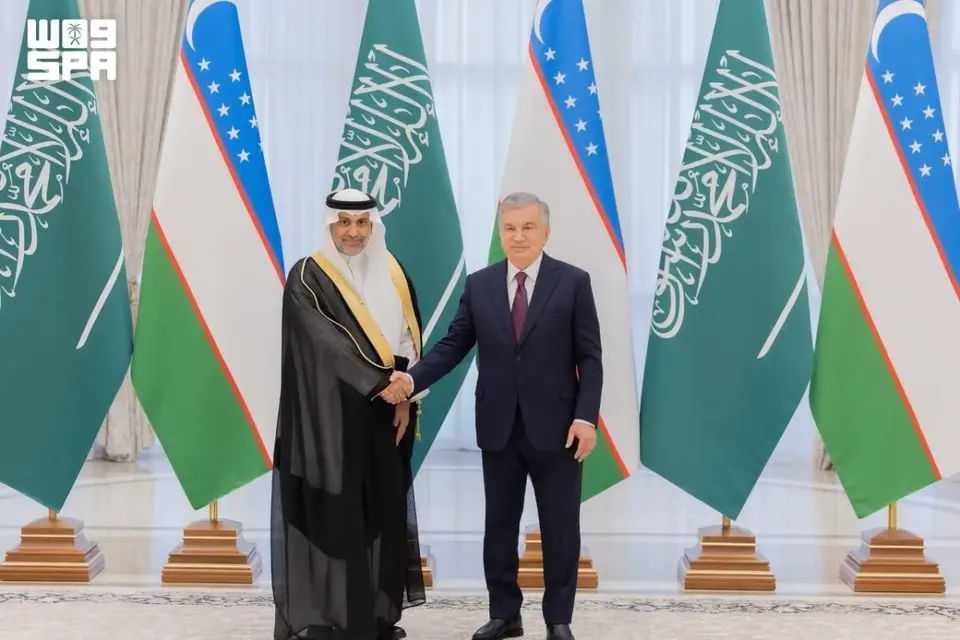
The President of Uzbekistan and the Saudi Minister of Health discussed the expansion of medical cooperation, including the establishment of a multidisciplinary hospital and training specialists to improve access to quality medical care.
High-Level Meeting: A New Era of Cooperation
During a meeting in Tashkent between President Shavkat Mirziyoyev and Saudi Health Minister Fahad Al-Jalajel, strategic directions for the development of the healthcare sector in both countries were discussed. The minister conveyed greetings from King Salman and Crown Prince Mohammed bin Salman, emphasizing the significance of bilateral relations. The meeting marked the culmination of a long process of strengthening partnership that began in August 2022, when a memorandum of understanding in the healthcare sector was signed. Both sides recognized the growing potential for cooperation and expressed readiness for deeper interaction in investment and healthcare.
Priority Areas for Healthcare Development
The discussions focused on issues critically important for the modern healthcare system. The digital transformation of medical institutions will enhance service efficiency and improve access to consultations for patients. The development of the healthcare system includes the modernization of infrastructure and the introduction of advanced diagnostic technologies. Regulation of the pharmaceutical industry will ensure the safety of medicines and improve their quality. Training and development of medical specialists remain one of the key tasks, as highly professional doctors and nurses are the foundation of quality patient care.
Establishment of a Multidisciplinary Hospital: An Investment Project
Particular attention was paid to the plan for constructing a modern multidisciplinary hospital in Uzbekistan. This project will symbolize medical partnership and provide the residents of Uzbekistan with access to high-tech medical care. The hospital will be equipped with modern equipment and staffed with qualified specialists trained according to international standards. The establishment of such an institution is important not only for the local population but also for the development of medical tourism in the region, including servicing pilgrims visiting sacred sites in neighboring countries.
Agreements and Future Prospects
During Minister Al-Jalajel's visit, new agreements were signed that specify areas of cooperation and create a legal framework for joint projects. The implementation of the memorandum of understanding signed in 2022 has already yielded initial results; however, both countries see enormous potential for expanding interaction. Joint initiatives will cover not only medical education and scientific research but also the exchange of experience in healthcare organization. The partnership between Saudi Arabia and Uzbekistan in the healthcare sector could serve as a model for other countries in the region and demonstrate the importance of international cooperation in improving the quality of life for the population.
Frequently Asked Questions
What are the main goals of cooperation between Saudi Arabia and Uzbekistan in healthcare?
The main goals include the digital transformation of medical systems, the development of human resources, the establishment of a modern multidisciplinary hospital in Uzbekistan, regulation of the pharmaceutical industry, and strengthening investment cooperation between the countries to enhance access to quality medical care.
When did cooperation between the two countries in healthcare begin?
Official cooperation began in August 2022, when the President of Uzbekistan visited Saudi Arabia and a memorandum of understanding in the healthcare sector was signed. Since then, both countries have successfully implemented joint initiatives and deepened their partnership.
How will the establishment of a multidisciplinary hospital in Uzbekistan impact the region?
The new hospital will provide residents of the region with access to high-tech medical care, create jobs, and attract medical specialists. It may also develop medical tourism, including servicing pilgrims traveling to sacred sites in Central Asia and neighboring countries.