
Hajj 2026: Results Without Epidemics and Health Threats
RIYADH — The Ministry of Health announced that the 2026 Hajj season was entirely free of epidemic outbreaks or public health threats, confirming that the health of the pilgrims remained stable and reassuring. This announcement follows official declarations of the overall success of the Hajj season across all organizational levels. Minister of Health Fahad Al-Jalajel said that this milestone reflects the deep care the Kingdom’s leadership bestows upon the health and safety of the pilgrims, showcasing the readiness of the health system and its seamless integration with other government agencies.
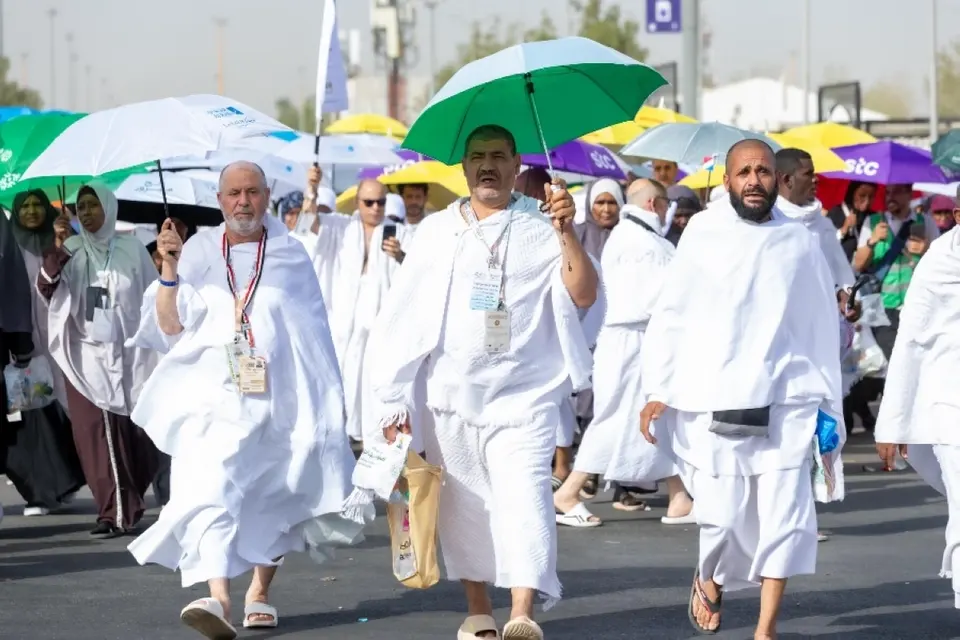
The Ministry of Health of Saudi Arabia announced the successful completion of the Hajj 2026 season without any cases of epidemic outbreaks or threats to public health, confirming the stable condition of the pilgrims.
Health Safety of Pilgrims — A Top Priority
The Ministry of Health of Saudi Arabia officially confirmed that the Hajj 2026 season took place without a single case of epidemic outbreak or threat to the health of the pilgrims. This achievement is the result of coordinated efforts at all levels of organization and the country's healthcare system. Minister of Health Fahad Al-Jalajel noted that this success reflects the deep concern of the Kingdom's leadership for the health and safety of the pilgrims, demonstrating the readiness and coordination of the medical system with other government agencies.
Preparation and Prevention Amid Global Challenges
The successful outcome was achieved despite simultaneous international challenges, including global outbreaks of Ebola fever and reported cases of Hantavirus in other countries. Thanks to early preparation, continuous epidemiological surveillance, and heightened readiness of medical services, no suspected or confirmed cases of these and other infectious diseases were identified among the pilgrims. Saudi Arabia acknowledges its global responsibility for protecting people's health during such a massive gathering.
Round-the-Clock Healthcare Operations
The medical sector operated without breaks, providing pilgrims with comprehensive preventive, therapeutic, emergency, and informational services. Coordination between the Supreme Hajj Committee, permanent committees for Hajj and Umrah in Mecca and Medina, medical personnel, and security forces played a key role in protecting the well-being of the pilgrims. The Ministry expressed gratitude to the country's leadership for their support and to all organizations involved in ensuring safety.
Global Responsibility and Quality Standards
The successful conduct of Hajj 2026 without epidemiological threats underscores the high standards of organization and management of mass events. The integration of modern epidemiological surveillance systems, medical equipment, and qualified personnel ensured the safety of millions of pilgrims. This experience demonstrates the possibility of successfully managing health risks when organizing the largest religious and cultural gatherings in the world.
Frequently Asked Questions
What infectious diseases posed the greatest risk during Hajj 2026?
The main risks included Ebola fever and Hantavirus, which were being reported in other countries at the time. Thanks to epidemiological surveillance and preventive measures, no cases were identified among the pilgrims.
How did Saudi Arabia prevent the spread of infections among pilgrims?
Early preparation, continuous epidemiological surveillance, heightened readiness of the medical system, and round-the-clock operations of medical personnel were implemented. All of this ensured comprehensive protection for pilgrims against infectious threats.
Why is the health of pilgrims a priority for Saudi Arabia?
Saudi Arabia recognizes its global responsibility for protecting health during such a massive gathering of people. Caring for the pilgrims reflects the values of the Kingdom and its commitments to the international community.