
Hajj 1448: How Saudi Arabia Prepares for the Main Pilgrimage
Makkah's Permanent Hajj and Umrah Committee reviewed Umrah season operations and discussed early preparations for Hajj 1448 to enhance services for pilgrims.
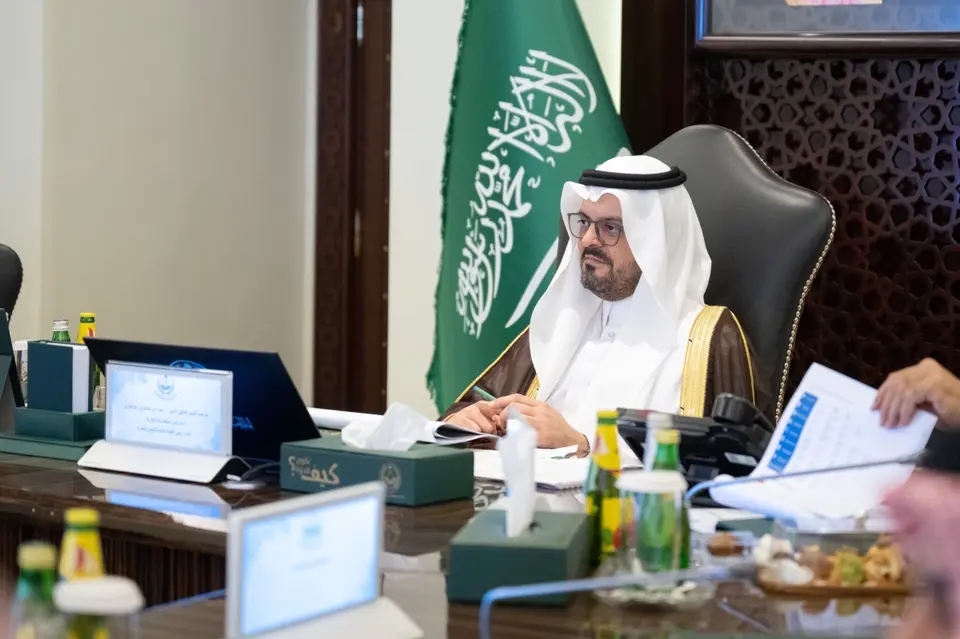
The Permanent Committee for Hajj and Umrah in Makkah held a meeting to review the current Umrah season and preparations for the upcoming Hajj 1448, aiming to enhance the quality of services for pilgrims.
What Happened at the Committee Meeting
The Deputy Emir of Makkah, Prince Saud bin Mishaal, chaired the meeting of the Permanent Committee for Hajj and Umrah under the leadership of Prince Khalid Al-Faisal, advisor to the Custodian of the Two Holy Mosques and Emir of the Makkah region. The meeting reviewed a detailed report on the progress of the current Umrah season, including statistics on incoming and outgoing pilgrims, and assessed the work of government institutions and procedures at the Kingdom's border crossings. The discussion addressed not only current operations but also strategic issues in preparation for one of the most significant religious events of the year.
Planning for Hajj 1448: Involvement of 60 Organizations
As part of the early preparations for Hajj 1448, a series of practical workshops were conducted with the participation of 60 government and service organizations responsible for serving pilgrims. These events yielded valuable results and recommendations aimed at building on the achievements of previous seasons. The committee focused on improving operational plans, strengthening coordination, and integrating all participating entities. Special attention was given to clarifying the responsibilities of each agency and enhancing overall readiness to serve pilgrims at the highest level.
Proactive Mechanisms and Risk Management
The committee's recommendations include developing proactive mechanisms to prevent and address potential challenges that may arise during the Hajj season. The approach is focused on anticipating problems before they occur rather than reacting to them. This means that each agency must develop detailed backup plans, train personnel, and prepare necessary resources. Such a comprehensive approach ensures not only compliance with previous standards but also continuous improvement of conditions for millions of pilgrims arriving in the Holy Cities.
Improving Coordination Among Agencies
A key outcome of the meeting was the confirmation of the need for closer interaction among all public and private organizations involved in Hajj. Clear delineation of responsibilities, agreed procedures, and a unified information system help avoid duplication of efforts and gaps in service. The committee paid special attention to integrating digital technologies into the management processes of pilgrim flows, security control, and medical assistance. Such coordination is critical to ensuring the safety and comfort of millions of believers.
Frequently Asked Questions
When Will Hajj 1448 Begin?
The exact dates of Hajj 1448 are determined by the Islamic calendar and moon sighting. Hajj usually takes place in the month of Dhu al-Hijjah, but specific dates are announced by Saudi Arabia several months before the event.
What Major Improvements Are Expected in the Hajj 1448 Season?
The committee focused on strengthening coordination among 60 organizations, implementing proactive risk management mechanisms, improving digital systems, and enhancing service quality based on lessons learned from previous seasons.
How Many Pilgrims Are Expected for Hajj 1448?
The exact number of pilgrims depends on many factors, including the global situation and visa policies. Saudi Arabia annually sets quotas and capacity limits for safety and quality service purposes.