
Tree Planting in Saudi Arabia: Combating Heat and Pollution
Saudi Arabia's Environment Ministry said tree planting helps reduce summer temperatures, improves air quality and supports sustainability, urging the use of native trees and water-efficient irrigation.
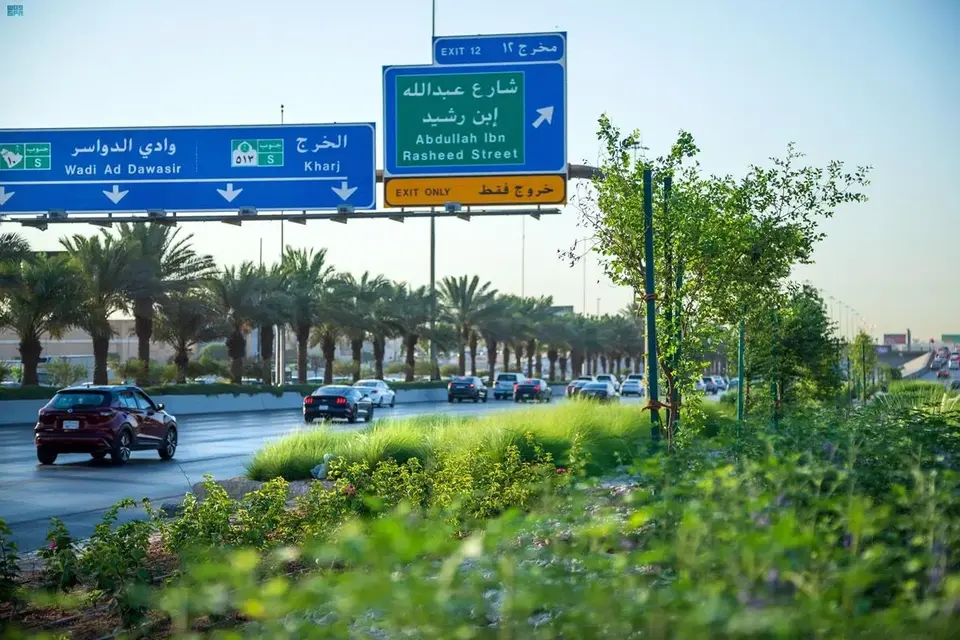
The Saudi Ministry of Environment has emphasized the role of green spaces in cooling cities, improving air quality, and supporting sustainable development in the face of extreme summer heat in the region.
How Trees Cool Cities
One tree can absorb an average of 150 kilograms of carbon dioxide per year. But this is just part of the ecological benefits of green spaces. Trees cool the surrounding area in several ways: they provide natural shade, reduce heat absorption by roads and buildings, and through the process of transpiration, release water vapor that cools the air. In the hot climate of Saudi Arabia, these mechanisms become critically important for lowering temperatures in urban areas and improving the living conditions of the population.
Improving Air Quality and Health
Expanding green spaces brings numerous benefits for public health. Trees filter air pollutants, reduce noise pollution, and assist in stormwater management. Additionally, the presence of vegetation lowers stress levels in people and enhances psychological well-being. Green spaces create habitats for wildlife and natural pollinators, supporting ecological balance. All these factors make greening not just an aesthetic improvement but an investment in community health.
Choosing Native Species and Water Conservation
The ministry recommends planting native tree species that are better adapted to the climate of Saudi Arabia and require less water. This improves the resilience and success of greening projects in conditions of water scarcity. Proper watering methods in the summer are crucial: trees should be watered early in the morning or late in the evening. Drip irrigation systems can reduce water loss through evaporation by 50% compared to traditional methods. Using organic mulch around trees helps retain soil moisture, regulate soil temperature, and suppress weed growth.
Greening as a Long-Term Investment
The Saudi ministry views tree planting as a long-term investment in the environment and future generations. This requires community involvement and an environmentally responsible approach to expanding vegetation cover and protecting natural resources. Every tree planted is a step towards a more sustainable and comfortable future, especially in regions with extreme climates.
Frequently Asked Questions
How much carbon dioxide does one tree absorb per year?
One tree can absorb an average of 150 kilograms of carbon dioxide annually. This makes greening an effective tool in the fight against climate change and atmospheric pollution.
What types of trees are best suited for Saudi Arabia?
Native tree species are better adapted to the region's climate and require significantly less water for growth. This makes them an ideal choice for sustainable greening projects in hot and dry climates.
By what percentage do drip irrigation systems save water?
Drip irrigation systems can reduce water loss through evaporation by 50% compared to traditional watering methods. This is especially important in conditions of summer heat and water scarcity.