
The Third Day of Hajj: Five Main Rituals of Pilgrimage
On the third day of Hajj on Wednesday, pilgrims started performing five main rituals of Hajj—the obligatory rituals of stoning at Jamrat, shaving or trimming hair, and sacrificing of animal, and two remaining pillars of Hajj—Tawaf Al-Ifadah and Sai.
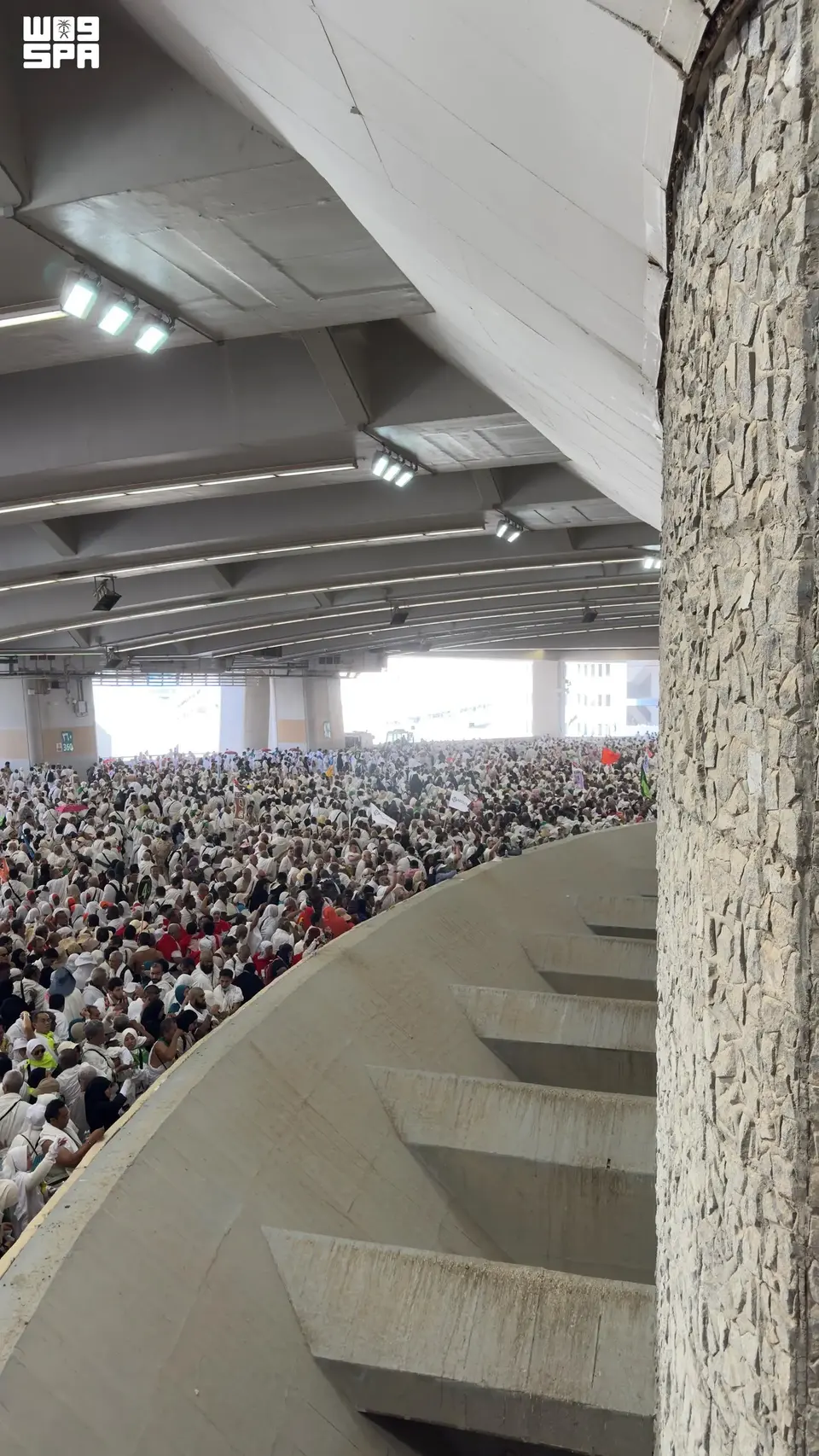
On the third day of Hajj, pilgrims perform the most significant rituals: the stoning of Jamrat, the sacrifice, the shaving of the head, and the Tawaf of the Kaaba. This marks the culmination of the sacred pilgrimage and the beginning of the Eid al-Adha celebration for Muslims around the world.
Stoning of Jamrat: A Symbolic Renunciation of Evil
On the third day of Hajj, pilgrims head to Mina to perform one of the most recognizable rituals — the stoning of Jamrat. This act symbolizes the renunciation of temptations and evil. According to the Sunnah of the Prophet Muhammad, pilgrims throw seven stones at the largest pillar — Jamrat al-Aqaba, which represents Satan. The process is organized using the modern Jamarat Bridge complex, which has several levels for the safe and orderly movement of thousands of believers. The Saudi authorities ensure strict control of the flows to prevent overcrowding and create safe conditions for every pilgrim.
Animal Sacrifice and Exit from Ihram
After the stoning of Jamrat, it is time for the sacrifice — one of the pillars of Hajj. Pilgrims sacrifice animals (sheep, goats, cows, or camels) in memory of the Prophet Ibrahim's willingness to sacrifice his son. Then, the first exit from the state of ihram (the sacred state of the pilgrim) is performed through shaving or trimming the hair. This symbolizes purification and the transition to the next stage of the pilgrimage. Women usually trim their hair, while men completely shave their heads.
Tawaf Al-Ifadah and Sai: The Final Pillars of Hajj
Tawaf Al-Ifadah is the circumambulation of the Holy Kaaba seven times counterclockwise, performed after the sacrifice. It is one of the main pillars of Hajj, during which the pilgrim prays and reflects on the greatness of the Almighty. This is followed by Sai — the ritual walking between the hills of Safa and Marwah seven times. This rite traces back to the story of Hagar, the mother of the Prophet Ismail, who ran between these hills in search of water. Together, Tawaf and Sai represent the fullness of the pilgrim's spiritual and physical devotion.
Organization and Safety on the Third Day
The Saudi authorities have launched a large-scale operation to ensure the safety and comfort of pilgrims on this critical day. Medical teams, ambulances, civil defense forces, and sanitation services are on site. Security personnel and volunteers direct believers along designated routes and levels of the Jamarat Bridge, preventing crowding. The flow management system is designed to ensure smooth and orderly movement for hundreds of thousands of pilgrims in the summer heat.
The Beginning of Eid al-Adha and Its Spiritual Significance
The third day of Hajj coincides with the beginning of the Eid al-Adha celebration — the Festival of Sacrifice, which is observed by Muslims around the world. This day, known as Yaum al-Nahr (Day of Sacrifice), falls on the 10th of the month of Dhu al-Hijjah in the Islamic calendar. For pilgrims, this is a moment of deep spiritual purification and joy, as they realize they have gone through the most demanding trials of the sacred journey. Performing all these rituals in one day requires physical endurance, spiritual focus, and faith that every movement is an act of worship to the Almighty.
Frequently Asked Questions
Why do pilgrims throw stones at Jamrat?
The stoning of Jamrat symbolizes the renunciation of temptations and evil, following the example of Prophet Ibrahim. This ritual act helps pilgrims spiritually cleanse themselves and strengthen their faith in the struggle against inner weaknesses.
How long does the third day of Hajj last?
The third day of Hajj includes several rituals that pilgrims perform throughout the day. They begin with the stoning of Jamrat early in the morning, followed by the sacrifice, shaving of hair, Tawaf, and Sai. The entire process can take several hours depending on the flow of pilgrims.
What happens after the third day of Hajj?
After the third day, pilgrims remain in Mina for another one or two days to perform additional stoning of Jamrat. Then they return to Mecca to perform Tawaf al-Wada (the farewell circumambulation of the Kaaba) before the completion of Hajj.