
The Birth of the First Striped Hyena in the NEOM Reserve — A Success for the Restoration Program
RIYADH — The National Center for Wildlife (NCW), in collaboration with NEOM, has documented the first birth of a striped hyena following the reintroduction of two breeding pairs into NEOM Nature Reserve. The birth is a positive indication of the hyenas’ successful adaptation to the reserve and their ability to reproduce in the wild. The birth marks another milestone in NCW’s wildlife breeding and reintroduction programs, which include dedicated efforts for predator species aimed at restoring their natural roles within ecosystems, the NCW said in a press statement. **media[27
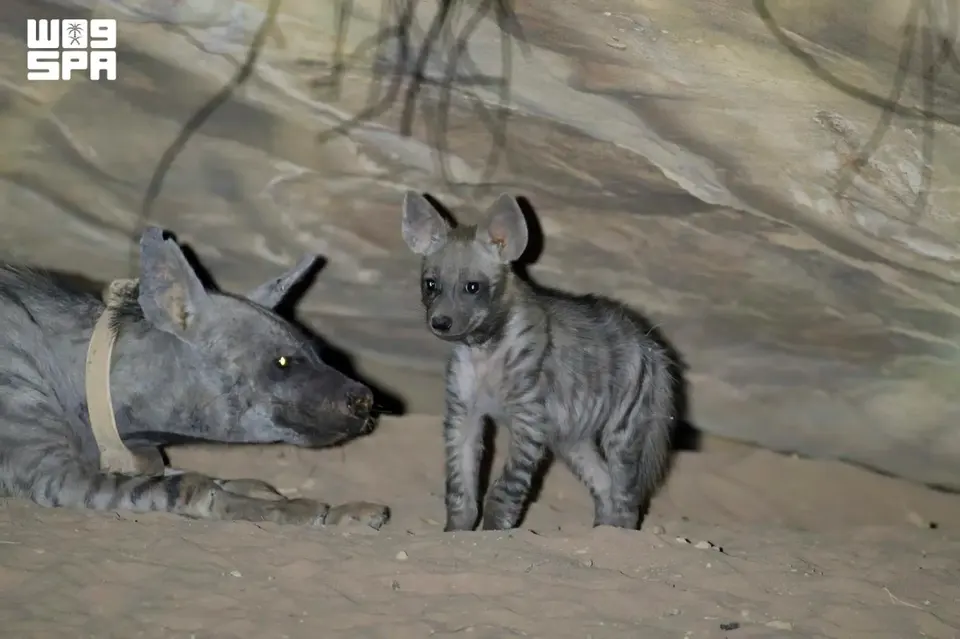
The National Center for Wildlife of Saudi Arabia has documented the first birth of a striped hyena after the reintroduction of two pairs into the NEOM reserve. This event confirms the successful adaptation of the animals and their ability to reproduce in the wild.
A Historic Event for the Restoration Program
The birth of the striped hyena in the NEOM reserve has become an important milestone in the work of the National Center for Wildlife (NCW) of Saudi Arabia. This is the first offspring to appear after two pairs of hyenas were released into their natural habitat. The event indicates that the animals have not only successfully adapted to new conditions but have also formed families and produced offspring. For specialists, this means that the reintroduction program is moving in the right direction and the population is capable of self-reproduction in the wild.
Preparation and Rehabilitation of Animals
Before their release into the reserve, both pairs of striped hyenas underwent a special rehabilitation program at one of the NCW facilities. The process included thorough veterinary examinations, constant health monitoring, and special training for life in the wild. A specialized team from the center also conducted a field assessment of the reintroduction site to ensure its readiness and ecological suitability for the hyenas. This comprehensive approach significantly increases the likelihood of success for the program and the survival of the animals in their natural environment.
The Ecological Role of Striped Hyenas
Striped hyenas play an important role in the ecosystem by feeding on carrion and the remains of dead animals. This contributes to the sanitary cleaning of the environment and prevents the spread of diseases. However, populations of these animals have significantly decreased in some regions of their natural range. The main threats to the species are hunting and poisoning. Restoring the population of striped hyenas is critically important for reestablishing the natural balance in ecosystems and returning these predators to their natural functions.
The Global Importance of Restoration Programs
The success of the NCW's striped hyena restoration program demonstrates the importance of targeted efforts to conserve endangered species. Such initiatives require significant resources, scientific expertise, and long-term planning. The birth of the first offspring in the wild shows that with the right approach, predator populations and their ecological roles can be restored. This inspires the expansion of similar programs and draws attention to biodiversity conservation issues at both regional and global levels.
Frequently Asked Questions
Why are striped hyenas so important to the ecosystem?
Striped hyenas feed on carrion and dead animals, serving as natural sanitation workers. They prevent the spread of infections and maintain balance in the food chains of the ecosystem. Their absence disrupts natural processes in nature.
What are the main threats to striped hyenas in the wild?
The main threats are targeted hunting and poisoning. People often kill hyenas, considering them dangerous to livestock, even though they primarily feed on carrion. This has led to a significant reduction in the populations of the species in its natural range.
How long does the reintroduction process take?
The reintroduction process is a long-term project. It includes animal rehabilitation, habitat assessment, release into the wild, and years of monitoring. The first birth of offspring may occur months or years after the program begins.