
Thassos Marble in the Prophet's Mosque: an engineering marvel and architectural heritage
MADINAH — Prophet’s Mosque’s cooling system is enhanced by 117,000 square meters of white Thassos marble, according to the General Authority for the Care of the Affairs of the Grand Mosque and the Prophet’s Mosque. The authority said the marble covers the rooftop and outdoor courtyards of the Prophet’s Mosque, serving as both a prominent architectural feature and a key component of its environmental cooling system. Renowned for its bright white color and high reflective properties, Thassos marble helps reduce ambient temperatures while maintaining a cool surface, allowing wo
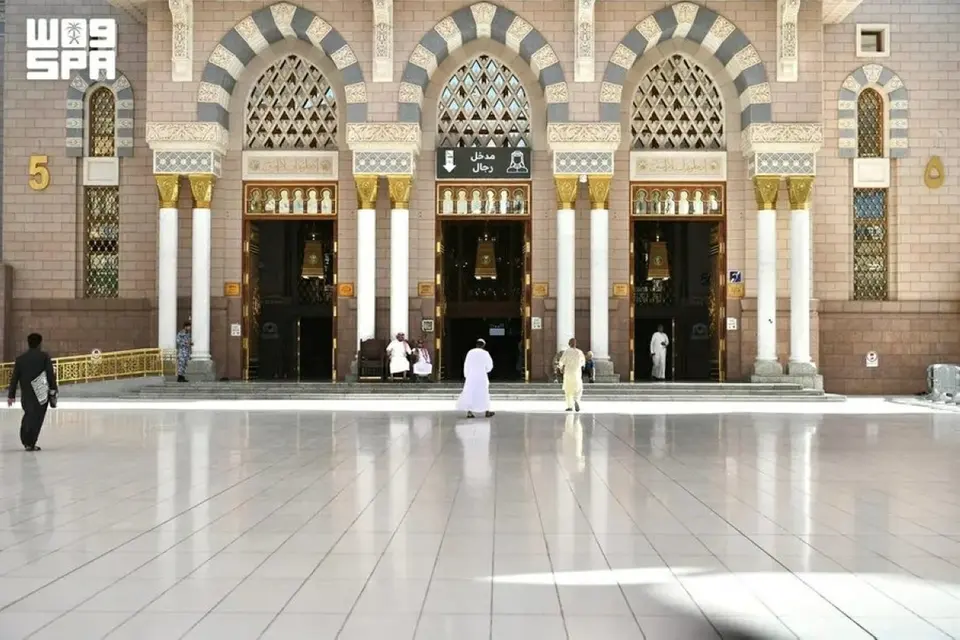
The Prophet's Mosque in Medina has received a unique enhancement to its cooling system thanks to 117,000 square meters of white Thassos marble, which serves both as an architectural decoration and an engineering solution for the comfort of pilgrims.
White marble as a climate control tool
Thassos marble is known for its exceptional whiteness and high reflective properties. These characteristics make it an ideal material for the hot climate of Medina. When sunlight hits the light surface of the marble, most of the heat is reflected back into the atmosphere rather than absorbed by the material. This means that the surface of the marble remains significantly cooler than darker materials. Pilgrims praying in the mosque's courtyards or performing the Tawaf literally feel this coolness underfoot — it is not just comfort, but a thoughtful engineering solution that enhances their spiritual experience in hot weather.
Scale and scope of the project
117,000 square meters of marble is truly a grand project. The marble covers the roof of the mosque, open courtyards, and prayer areas, creating one of the largest open marble worship spaces in the world. Each element is carefully selected for size and design to not only ensure functionality but also to support the aesthetic perfection of the sanctuary. Such scale requires precise planning and execution — from stone selection to laying each slab.
Care and preservation of the precious material
To keep the marble bright and maintain its cooling properties, the General Authority for the Care of the Affairs of the Grand Mosque and the Prophet’s Mosque conducts ongoing maintenance. The material is regularly polished, cleaned, and disinfected using environmentally friendly and health-safe products. This approach ensures that the marble remains in perfect condition year-round, despite the intensive use by thousands of pilgrims daily. It reflects a deep respect for the holy site and care for the well-being of its visitors.
Harmony of form and function in sacred architecture
The design of the Prophet's Mosque demonstrates how modern engineering solutions can be combined with traditional architecture. Thassos marble was chosen not only for its practical properties but also because its radiant whiteness symbolizes purity and grandeur. In Muslim tradition, the color white holds special spiritual significance. Thus, every aspect of the project — from light reflection to material care — serves both the physical comfort of pilgrims and their spiritual experience. This is an example of how architecture can be both practical, beautiful, and meaningful.
Frequently Asked Questions
Why was Thassos marble chosen for the Prophet's Mosque?
Thassos marble is distinguished by its bright whiteness and high ability to reflect solar radiation. These properties significantly reduce surface temperature in the hot climate of Medina, providing comfort to pilgrims, while the material also has exceptional aesthetic value.
How does the marble help cool the mosque?
The light surface of the marble reflects most of the solar heat, preventing it from being absorbed by the material. This lowers the temperature of the marble and the surrounding air, creating a cooler environment for those praying in the courtyards and on the roof of the mosque.
What maintenance is required to keep the marble in good condition?
The marble is regularly polished, cleaned, and disinfected with environmentally safe products. This constant care preserves its shine, reflective properties, and hygiene under conditions of intensive daily use.