
Tawaf Al-Ifadah: The Spiritual Core of Hajj
Pilgrims performed on Wednesday Tawaf Al-Ifadah, one of the four pillars of Hajj, at the Grand Mosque in Makkah after standing at Arafat, spending the night in Muzdalifah and performing the stoning ritual of Jamrat Al-Aqaba.
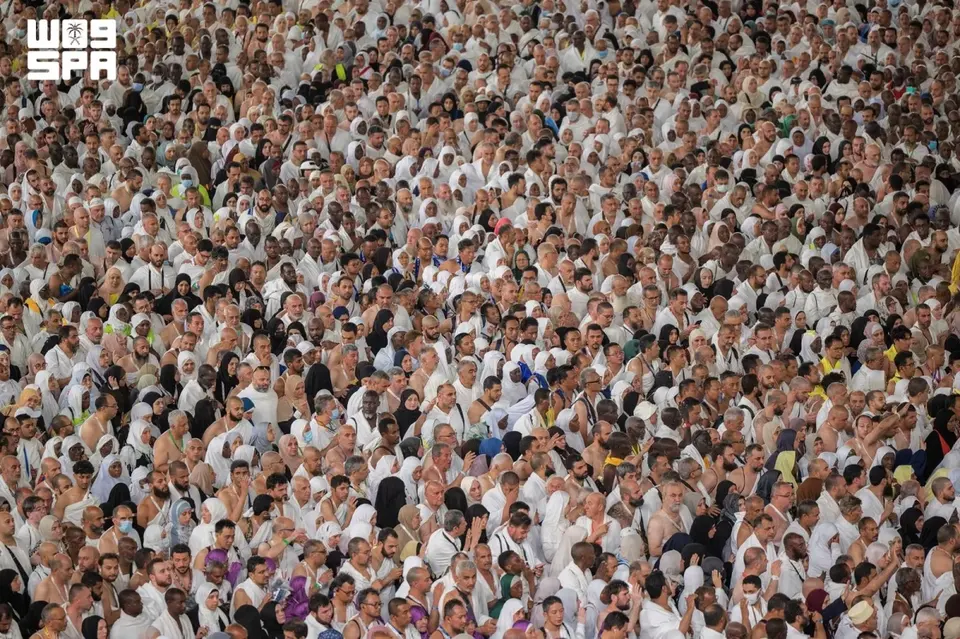
Pilgrims performed Tawaf Al-Ifadah at the Grand Mosque in Makkah — one of the four pillars of Hajj, completing the preliminary rituals at Arafat and Muzdalifah. This is the central moment of the pilgrimage, requiring preparation and understanding of its spiritual significance.
What is Tawaf Al-Ifadah and its Place in Hajj
Tawaf Al-Ifadah, or "the main circumambulation," is the sevenfold circling around the Sacred Kaaba after standing at the mountain of Arafat and spending the night in Muzdalifah. This is the most important moment of the pilgrimage when millions of believers from around the world perform one of the deepest spiritual rituals of Islam. The ritual symbolizes the unity of all Muslims before the Almighty and is the culmination of a multi-day spiritual journey. The organizational support of the Saudi authorities ensures safety and order during such a massive concentration of pilgrims.
Conditions for Conducting and Organizing the Process
The Grand Mosque in Makkah operates under increased load during Hajj, serving huge flows of believers. Authorities deploy a comprehensive system of organizational, medical, and security services to facilitate the movement of pilgrims. Special markings, signs, mobile applications, and qualified volunteers help pilgrims navigate the sanctuary correctly. Technological solutions monitor crowd density in real-time, preventing dangerous situations. Medical points are ready to provide assistance, and the security service ensures order and protection for all present.
Spiritual Significance and Psychological Impact
For a believer, Tawaf Al-Ifadah is a moment of deep inner transformation. After days of prayer at Arafat and a night of reflection in Muzdalifah, the pilgrim approaches the sanctuary in a state of special spiritual openness. The collective circumambulation of the Kaaba with millions of other believers creates a unique sense of unity and belonging to the global Muslim community. Many pilgrims describe this moment as the peak of their spiritual experience, where personal experiences intertwine with collective faith. The atmosphere, filled with prayers and supplications in different languages, leaves an indelible mark on the heart of every participant.
Days of Tashreeq and Completion of Hajj
After Tawaf Al-Ifadah, pilgrims continue to perform rituals in Mina during the Days of Tashreeq (the days of the Eid al-Adha holiday and the following days). Here, they throw stones at three pillars, symbolizing the rejection of evil and temptations. Hajj concludes with the farewell Tawaf — Tawaf Al-Wida, which each pilgrim performs before leaving Makkah. This sequence of rituals creates a structured spiritual journey, where each stage has a clear meaning and purpose. Planning time for each ritual and understanding its significance helps the pilgrim to experience this sacred journey as deeply as possible.
Frequently Asked Questions
Why is Tawaf Al-Ifadah considered the most important ritual of Hajj?
Tawaf Al-Ifadah is the main ritual without which Hajj is considered incomplete. It is performed after fulfilling the preliminary conditions (standing at Arafat and standing in Muzdalifah) and represents the central act of worship at the Kaaba sanctuary, uniting millions of believers in a single spiritual act.
What security measures are applied during Tawaf Al-Ifadah?
Saudi authorities use a comprehensive security system: real-time crowd density monitoring, sufficient personnel and volunteers, medical points, clear route markings, and modern technologies to prevent accidents and ensure order.
How many times should one circle the Kaaba during Tawaf Al-Ifadah?
The pilgrim must make seven complete circuits around the Sacred Kaaba. Each circuit begins and ends at the Black Stone line, and the believer recites prayers and supplications, addressing the Almighty.