
Success of Hajj 2026: Recognition by Arab World Leaders
Several Arab and Gulf leaders congratulated Custodian of the Two Holy Mosques King Salman and Crown Prince and Prime Minister Mohammed bin Salman for their great efforts in making the 2026 Hajj a great success.
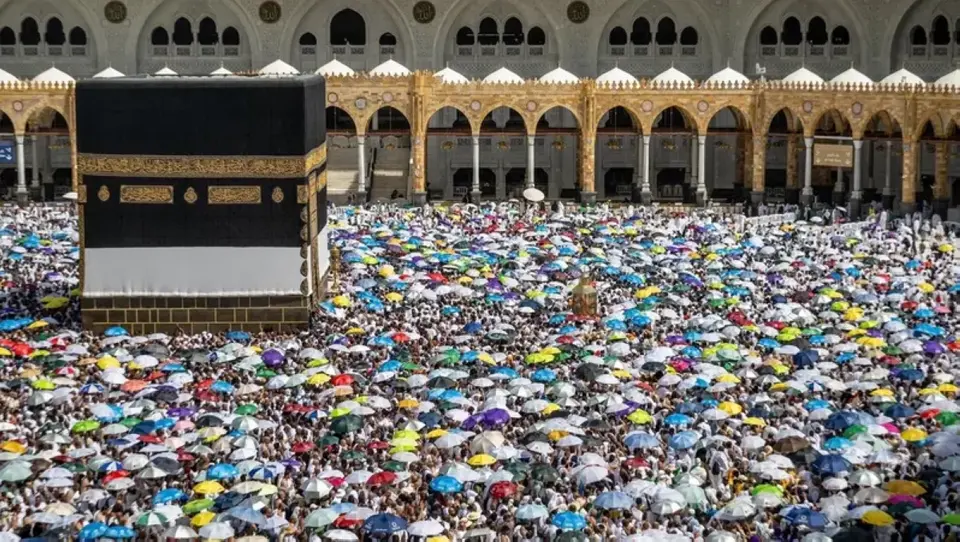
Leaders of Arab and Persian countries highly appreciated the organization of the 2026 pilgrimage, noting the highest level of service, security, and the use of modern technologies for the comfort of pilgrims.
International Recognition of Hajj Organization
The Secretary-General of the League of Arab States, Ahmed Aboul Gheit, expressed admiration for the organization of this year's pilgrimage. He emphasized that the high level of organization and integrated services using the latest technologies allowed pilgrims to perform Hajj rituals with complete comfort and in an atmosphere of spiritual tranquility. Aboul Gheit noted that Saudi Arabia's success in organizing the annual Hajj reflects the Kingdom's advanced capabilities, especially in managing large crowds and developing logistical and digital infrastructure.
Praise from Parliamentary Leaders
The Speaker of the Arab Parliament, Mohammed Al-Yamahi, noted that the integrated service system, highly professional security provision, and organized management of pilgrim flows at holy sites demonstrate Saudi Arabia's leading position in serving the Islamic community. He expressed pride and gratitude for the multi-sectoral efforts of the Kingdom in serving the Two Holy Mosques and emphasized the unwavering commitment to ensuring the safety of pilgrims.
Assessment by the Gulf Cooperation Council
The Secretary-General of the Gulf Cooperation Council, Jasem Albudaiwi, congratulated the Saudi leadership on the success of Hajj. He praised the government for its exceptional level of service and care for pilgrims. Albudaiwi noted that ambitious operational plans and the mobilization of significant resources by highly qualified personnel allowed pilgrims to perform rituals with absolute comfort and tranquility. Such a level of organization sets a benchmark for international pilgrimage tourism.
The Importance of Technology in Organizing Pilgrimages
Modern pilgrimage requires a synthesis of spiritual experience and practical efficiency. The use of advanced digital solutions for managing pilgrim flows, ensuring their safety, and providing services demonstrates how technology can serve spiritual goals. From registration and navigation systems to health and safety monitoring — each component works in harmony. This allows millions of believers to focus on their spiritual obligations without worrying about the practical aspects of the journey.
Frequently Asked Questions
What technologies are used to organize the modern Hajj?
The modern Hajj uses integrated digital systems for registering pilgrims, managing the flow of people at holy sites, monitoring security, and providing healthcare services. These systems work together to ensure the comfort and safety of millions of believers.
Why is international recognition of Hajj success important for the Islamic world?
The successful organization of Hajj demonstrates the Islamic world's ability to ensure the dignified fulfillment of one of the five pillars of Islam. It strengthens the unity of the Muslim community and shows that modern technologies can serve spiritual goals without distorting them.
How can pilgrims prepare for Hajj in 2027?
Preparing for Hajj includes physical training, studying the rituals, obtaining necessary documents and visas, choosing a reliable operator, and understanding the logistics of the journey. Planning in advance allows for a focus on spiritual preparation and avoids unnecessary stress.