
Saudi Arabia Tightens Access Control to Hajj Holy Sites
Saudi Hajj security forces began preventing unauthorized vehicles from entering the holy sites as authorities intensify preparations for the 2026 Hajj season.
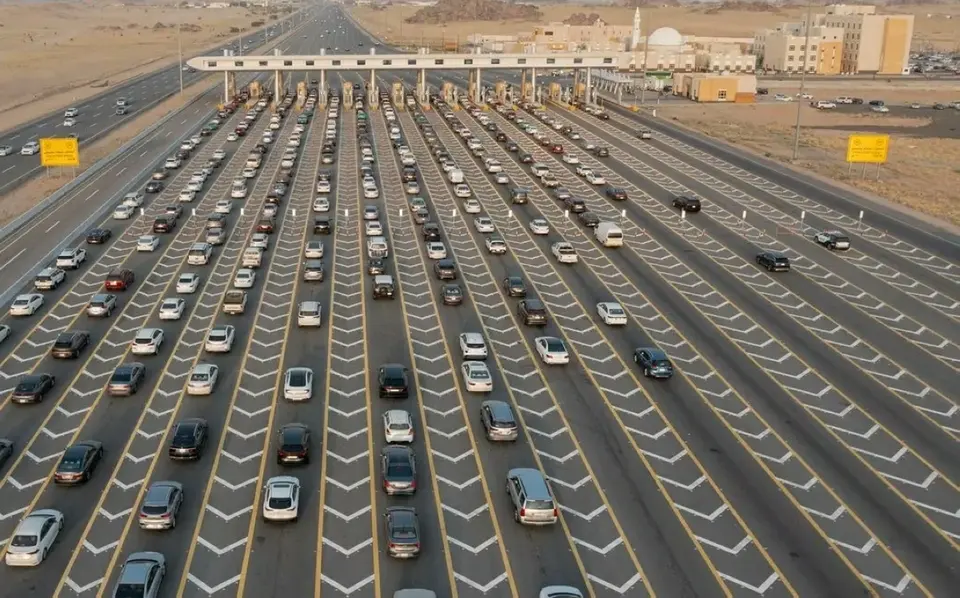
Saudi security forces have begun blocking unauthorized vehicles at the entrance to the holy sites. The new measures are aimed at ensuring safety and order during the pilgrimage season.
New Restrictions on Vehicle Access
Saudi security authorities have imposed strict restrictions on the entry of unauthorized vehicles into the holy sites of Mecca and Medina. These measures will remain in effect until the end of the month of Dhu al-Hijjah, ensuring controlled access during the preparations for the Hajj season. Such actions are part of a comprehensive strategy by the Ministry of Interior to manage the flow of pilgrims and prevent unauthorized transport. All drivers must have official permits and present them at each entry or stay in the holy sites.
Combating Fraud and Violations
Security authorities have intensified efforts against criminals engaged in Hajj scams. In Mecca, four Indonesian residents were arrested for spreading fake advertisements for Hajj services on social media. They were found with counterfeit Hajj permits and tools used in the fraud. Additionally, seven individuals were arrested for illegally transporting pilgrims without official documents. Such violations carry fines of up to 100,000 riyals, imprisonment, and a 10-year entry ban for foreigners.
Verification System and Official Documents
To enter and stay in the holy sites, an official Hajj permit must be presented. Saudi Arabia uses a modern verification system through the Tawakkalna mobile application, where pilgrims can display their documents. This allows for quick and efficient verification of permit authenticity at checkpoints. The system is designed to facilitate the entry process while ensuring a high level of security and order. All pilgrims must ensure that their documents are correctly uploaded to the app before arriving at the holy sites.
Coordination of Security Services and Planning
The Ministry of Interior held a press conference at the Unified Security Center (911) in Mecca, where the Hajj security commanders presented detailed plans for the season. The discussion included leaders from civil defense, special forces, and passport services. They outlined a comprehensive approach to managing security, traffic, and the organization of the pilgrimage process. Such coordination among various agencies ensures a unified policy and coordinated actions of all security forces.
Frequently Asked Questions
What documents are required to enter the holy sites?
An official Hajj permit is required, which can be displayed through the Tawakkalna app. This permit must be presented at each entry to the holy sites of Mecca and Medina.
What penalties are in place for rule violations?
Fines range from 20,000 to 100,000 riyals depending on the type of violation. Imprisonment, deportation of foreigners, and a 10-year entry ban to the country are also possible. Confiscation of vehicles is also a potential measure.
How does the Tawakkalna verification system work?
The app allows pilgrims to upload and display their official Hajj permits. Security personnel quickly verify the authenticity of documents through this system, speeding up the entry process and enhancing control.