
Geographic Coding of Columns in the Grand Mosque: A New Navigation System
MAKKAH — The General Authority for the Affairs of the Grand Mosque and the Prophet’s Mosque announced the implementation of a geographic coding project for columns inside the Grand Mosque aimed at improving navigation and helping worshippers and visitors move more easily within the mosque.The authority said the initiative is part of ongoing efforts to enhance the spatial guidance system inside the Grand Mosque and improve the overall experience for pilgrims and Umrah performers.The project included the installation of geographic coding signs on columns across the ground floor of the mosque to
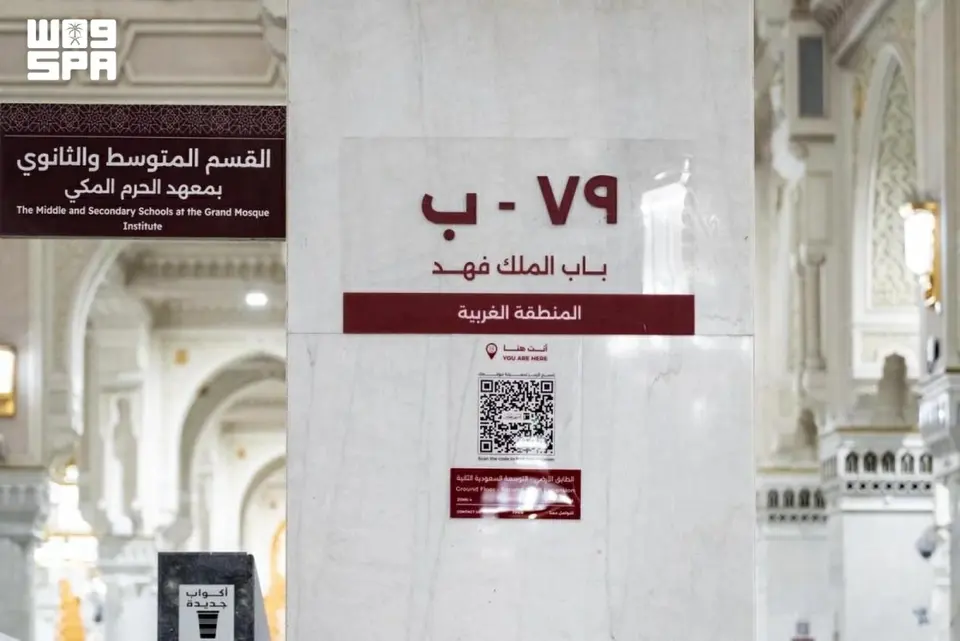
The General Authority for the Affairs of the Grand Mosque has implemented a geographic coding system for columns to improve the orientation of pilgrims and visitors during Hajj and Umrah.
What is the Geographic Coding System
The geographic coding system is an innovative approach to organizing space within the Grand Mosque. Special signs have been installed on the columns of the ground floor to help people navigate the vast sanctuary. This system is linked to entrances, passages, and main landmarks of the mosque, creating a unified navigation network. This approach allows pilgrims to find the necessary places more quickly, especially during peak periods when the mosque is at maximum capacity.
Enhanced Signage System in the Masaa Area
In the Masaa area — an important part of the pilgrimage route — 84 additional directional signs have been installed. These signs are designed with the high density of foot traffic in mind and provide better visibility even during crowds of pilgrims. The signs are made with increased readability and visibility, which is especially important for elderly individuals and those performing pilgrimage for the first time. The improved design and sizes correspond to the movement patterns of people in the historical sanctuary.
Part of the Comprehensive Development of the Mosque
The geographic coding system is not the only initiative aimed at improving conditions in the Grand Mosque. The authority is implementing a whole package of development projects aimed at enhancing safety, organizing the worship process, and facilitating the movement of pilgrims. Each innovation is carefully developed with consideration for the features of the Islamic sanctuary and the traditions of pilgrimage. These measures demonstrate the ongoing commitment of Saudi authorities to enhance the experience of Hajj and Umrah.
Benefits for Pilgrims and Visitors
The new system brings tangible benefits to all categories of visitors to the Grand Mosque. Pilgrims can navigate the space more quickly, reducing stress and fatigue during rituals. Families with children can more easily stay together. People with disabilities can move around the mosque more independently. Additionally, improved navigation contributes to better distribution of foot traffic, enhancing overall safety and comfort during peak pilgrimage periods.
Frequently Asked Questions
How does the geographic coding system help pilgrims?
The system uses special codes on the columns and signs that are linked to the entrances and landmarks of the mosque. This allows pilgrims to quickly determine their location and find necessary places for prayer, ablution, and rest.
Where exactly are the navigation signs installed?
The geographic codes are placed on the columns of the ground floor of the Grand Mosque, and 84 additional directional signs are installed in the Masaa area — the part of the route where pilgrims perform the ritual circumambulation between the hills of Safa and Marwah.
Why is this system especially important during Hajj?
During Hajj, millions of pilgrims are present in the Grand Mosque at the same time. A clear navigation system helps avoid congestion, facilitates the movement of foot traffic, and allows each pilgrim to focus on their spiritual practice without worrying about orientation.