
Saudi Arabia Sets Global Standard for Pilgrim Health Protection
The Saudi Ministry of Health's announcement that the 2026 Hajj season was free from any epidemic outbreaks or health threats affecting public health received widespread praise from the World Health Organization (WHO).
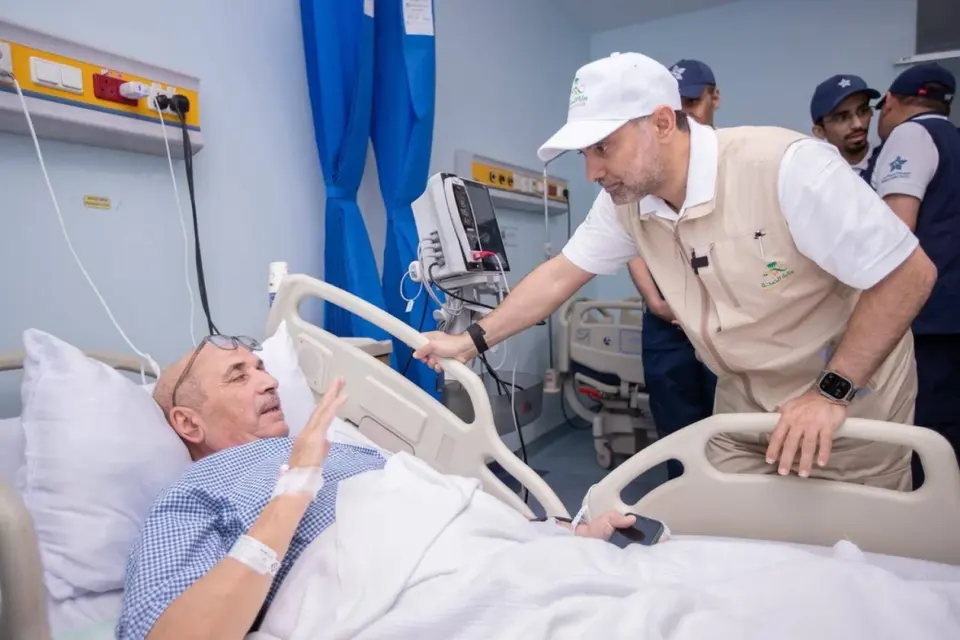
The Saudi Ministry of Health announced that the 2026 Hajj season passed without any epidemic outbreaks, receiving high praise from the World Health Organization and recognition from the international community.
WHO Recognition and International Trust
The World Health Organization highly praised Saudi Arabia's success in managing one of the largest gatherings of people on the planet according to the highest health standards. WHO Director-General Tedros Adhanom Ghebreyesus congratulated the Kingdom on the successful completion of the season, highlighting the contribution of healthcare workers in creating a safe and healthy environment for millions of pilgrims. WHO Regional Director for the Eastern Mediterranean, Hanan Balkhi, also noted the advanced level of readiness of the healthcare system, the implementation of modern technologies, including robots and drones, as well as the extensive availability of medical services at various pilgrimage sites.
Comprehensive Healthcare System and Preparedness
The success of the 2026 Hajj season was the result of implementing a comprehensive and integrated healthcare system. The system included epidemiological surveillance, health assessments, risk management, and rapid response mechanisms carried out in collaboration with various national authorities and international health organizations. Preparedness began long before the season with health requirements and mandatory vaccinations prior to the arrival of pilgrims and continued through ongoing monitoring and timely responses throughout the spiritual journey.
Health as a Component of Global Security
Health Minister Fahd Al-Jalajel emphasized that health security during Hajj is an integral part of global health security, considering the gathering of millions of pilgrims from around the world. Achieving this outcome demonstrates the Kingdom's advanced position in mass gathering medicine and its leadership in developing best practices for managing large-scale human gatherings. These successes significantly contribute to strengthening trust in the healthcare system and create a model for other countries.
Technological Innovations in Health Management
Saudi Arabia has demonstrated how modern technologies can be effectively used to monitor and protect health in mass gatherings. The use of robots and drones has enabled continuous surveillance, rapid identification of potential issues, and prompt assistance. This innovative approach, combining traditional healthcare methods with advanced digital solutions, creates a reliable foundation for protecting the health of pilgrims and can serve as an example for other large international events.
Frequently Asked Questions
Why is the health of pilgrims considered a global security issue?
The Hajj gathers millions of pilgrims from over 180 countries, creating a potential risk for the spread of infectious diseases on a global level. Any outbreaks of diseases during the pilgrimage can quickly spread to other regions, so the health of pilgrims directly impacts global public safety.
What measures are taken to prevent epidemics during Hajj?
The system includes mandatory vaccinations prior to arrival, epidemiological surveillance, continuous health monitoring of pilgrims, risk assessments, deployment of medical services at holy sites, and the use of modern technologies for early detection of potential health threats.
How do technologies assist in health management during mass gatherings?
Robots and drones allow for continuous monitoring, rapid identification of issues, and provision of assistance. Digital systems ensure real-time data collection and analysis regarding health, enabling timely decision-making and preventing the spread of diseases.