
Saudi Arabia is 92% Ready for Health Preservation
Saudi Arabia has achieved its 2030 target early in terms of prevention and public health, with health departments across the regions reaching 92 percent readiness to address health risks.
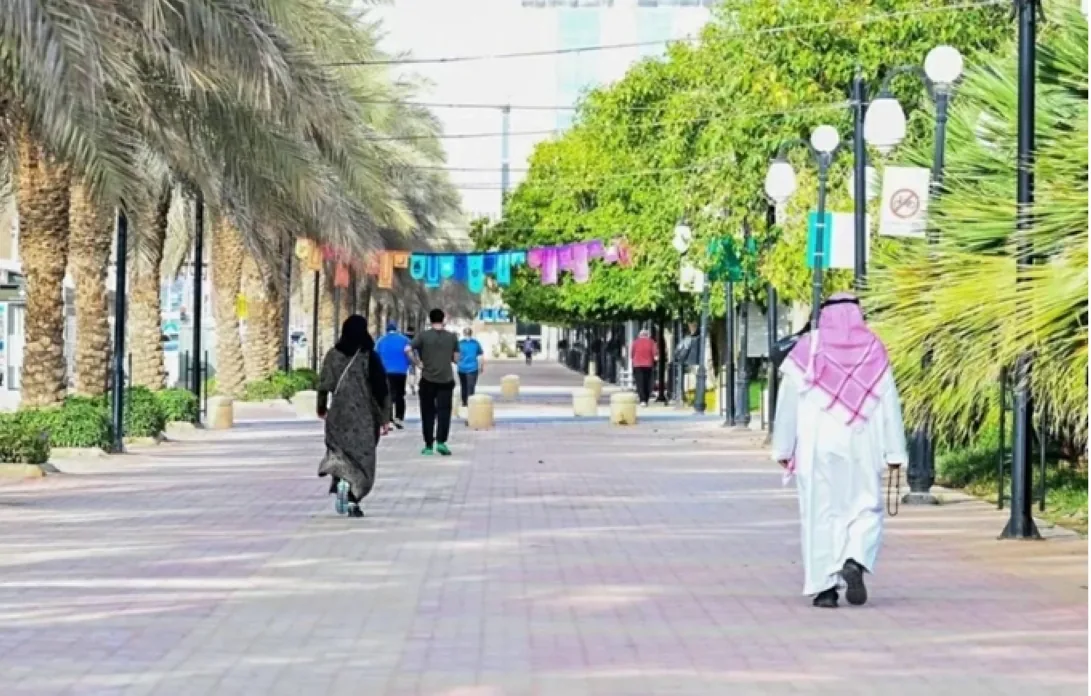
Saudi Arabia has achieved the Vision 2030 goals for prevention and public health ahead of schedule: 92% of regional health departments are ready for any threats to public health.
Achieving Vision 2030 Goals Ahead of Schedule
According to the 2025 Health Transformation Program report, Saudi Arabia demonstrates impressive progress in prevention and public health. 92 percent of regional health departments have reached the necessary level of readiness to prevent and manage health risks. This means that the country's healthcare system operates as a unified, coordinated entity capable of responding quickly to any challenges. Achieving this indicator ahead of the planned schedule reflects the effectiveness of government policy and investments in medical infrastructure development.
Increased Life Expectancy and Accessibility of Medical Care
The average life expectancy in the Kingdom has increased to 79.7 years, bringing the country closer to the Vision 2030 target of 80 years. This growth reflects a comprehensive improvement in public health indicators, the development of preventive programs, and a healthy lifestyle. The coverage of primary healthcare services is 97.5 percent of all populated areas in the country, including remote regions. Such extensive accessibility ensures that every citizen, regardless of their place of residence, can receive necessary medical assistance at the early stages of illness.
Digital Transformation and Innovations in Medicine
Healthcare in Saudi Arabia is becoming a leader in digital transformation. The Sehhaty app is used by over 31 million people, making it one of the most successful mobile health projects in the region. The Seha virtual hospital has expanded its services to 365 thousand patients through a network of 241 medical institutions. These innovative solutions allow people to receive consultations from specialists without the need to visit physical hospitals, which is especially important for residents of remote areas and those with limited mobility.
Investments in Human Resources and Quality of Care
Saudi Arabia employs over 803 thousand healthcare workers, and every year more than 35 thousand doctors receive specialist certification through Saudi Council programs. These investments in human capital directly impact the quality of medical care and the healthcare system's ability to meet the growing needs of the population. Strengthening human resources creates a foundation for sustainable development in medicine and the implementation of advanced treatment methods.
Integrated Approach to Saving Lives
Joint efforts of government agencies have led to a 60 percent reduction in traffic accident fatalities since the launch of Vision 2030. Improved response times of emergency services and coordination between agencies help save lives and prevent injuries. This integrated health protection system demonstrates that caring for citizens' well-being requires coordinated actions at all levels of governance and in all areas of public life.
Frequently Asked Questions
What percentage of regions in Saudi Arabia is ready for health threats?
92 percent of regional health departments in Saudi Arabia have reached the necessary level of readiness to prevent and manage health risks, exceeding the planned timelines of Vision 2030.
How do digital applications improve access to medical care?
The Sehhaty app and the Seha virtual hospital allow millions of people to receive consultations from specialists remotely, which is especially important for residents of remote regions and people with limited mobility.
What is the current average life expectancy in Saudi Arabia?
The average life expectancy in the Kingdom is 79.7 years and is approaching the Vision 2030 target of 80 years, reflecting improvements in public health indicators.