
Saudi Arabia: 55 Violations at Archaeological Sites
RIYADH — The Heritage Commission recorded 55 violations involving cultural heritage sites and artifacts across several regions of the Kingdom during the second quarter of 2026. The cases were identified as part of the commission's ongoing efforts to protect archaeological and heritage sites, preserve their historical features, and strengthen compliance with regulations governing the sector. Of the 55 violations, 16 were on-site encroachments recorded in the Riyadh, Qassim, Asir, Tabuk, Northern Borders, and Al-Baha regions through inspection tours and public reports. The violations included una
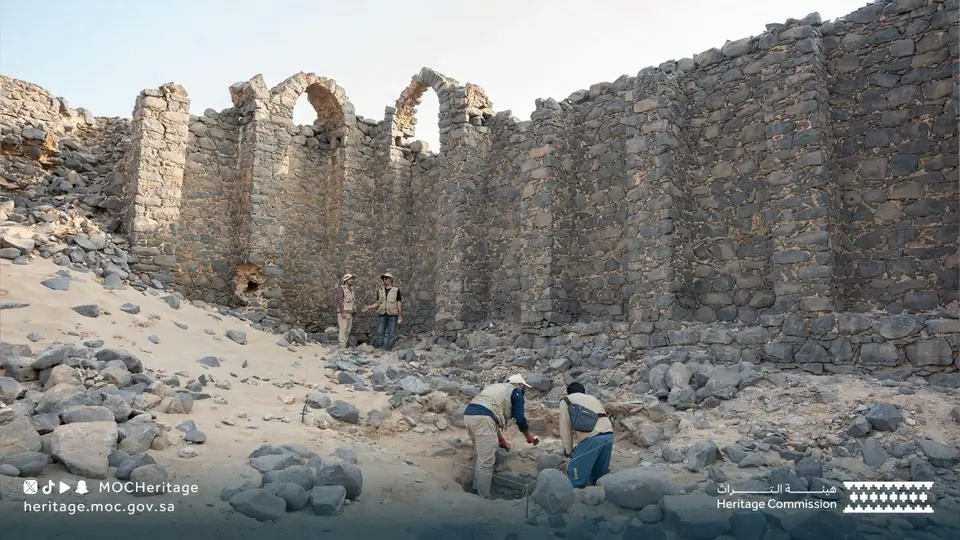
The Heritage Commission of Saudi Arabia identified 55 violations at cultural heritage sites in the second quarter of 2026. Among them are illegal excavations, damage to protective barriers, and illegal trade in artifacts through social media.
Scope of the Problem: Violations in All Regions
In three months of the second half of 2026, the Heritage Commission recorded 55 cases of violations of historical monument protection rules. Of these, 16 violations were related to direct encroachments on protected areas in the Riyadh, Qassim, Asir, Tabuk, Northern Borders, and Al-Baha regions. Inspectors found traces of illegal excavations, damage to informational signs, destruction of barriers and gates intended to protect the monuments. These violations were identified both during scheduled inspections and through citizen reports, highlighting the importance of public vigilance in preserving national heritage.
Digital Crimes: Artifact Trade on the Internet
Particular concern arises from activities on social media and online platforms. The Commission identified 27 violations related to illegal possession and sale of cultural artifacts over the internet. Traders offered coins, metal items, stone vessels, and carved artifacts on various digital platforms. Another 12 violations included conducting unauthorized archaeological research, using drones to photograph monuments, illegal excavations, and spreading false information about supposedly hidden treasures. This demonstrates that the threat to cultural heritage comes not only from the ground but also from the virtual space.
Responsible Tourism as a Tool for Protection
The problem of violations is directly related to the issue of tourism ethics. When visitors understand the historical and cultural value of monuments, they become their protectors rather than destroyers. Responsible pilgrimage and cultural tourism involve respect for protected areas, adherence to bans on drone photography, refraining from collecting artifacts, and supporting the work of local guides and historians. An educated tourist will not buy a stolen artifact and will not support illegal excavations. This approach protects not only the monuments but also the tourism industry itself, which depends on the preservation of historical heritage.
How to Report Violations
The Saudi Heritage Commission urges citizens and visitors to actively participate in the protection of monuments. Violations can be reported through the Commission's official social media, by visiting its offices in various regions, using the mobile service "Balagh Atari" (Archaeological Report), or by calling the Unified Security Operations Center at 911. Every report matters — it is thanks to information from residents that the looting of national heritage can be identified and stopped.
Frequently Asked Questions
Why is the protection of archaeological monuments so important?
Archaeological monuments are non-renewable historical sources. Illegal excavations and looting destroy the context of finds, depriving scholars of the opportunity to correctly interpret history. Artifacts lose their scientific value outside their original location.
What actions are considered violations at monuments?
Violations include unauthorized excavations and digging, damage to protective barriers and signs, drone photography without permission, illegal possession of artifacts and their sale over the internet, as well as spreading false information about hidden treasures.
How can tourists help protect monuments?
Respect the protective boundaries of monuments, do not collect artifacts, do not use drones without permission, do not buy artifacts from street vendors, and report suspicious activities to the Heritage Commission or security authorities.