
Safety of Pilgrims: Saudi Arabia's Healthcare System Excels
Abdulaziz Abdulbaqi, spokesperson of the Ministry of Health, affirmed that the overall health condition of the pilgrims remains stable and reassuring.
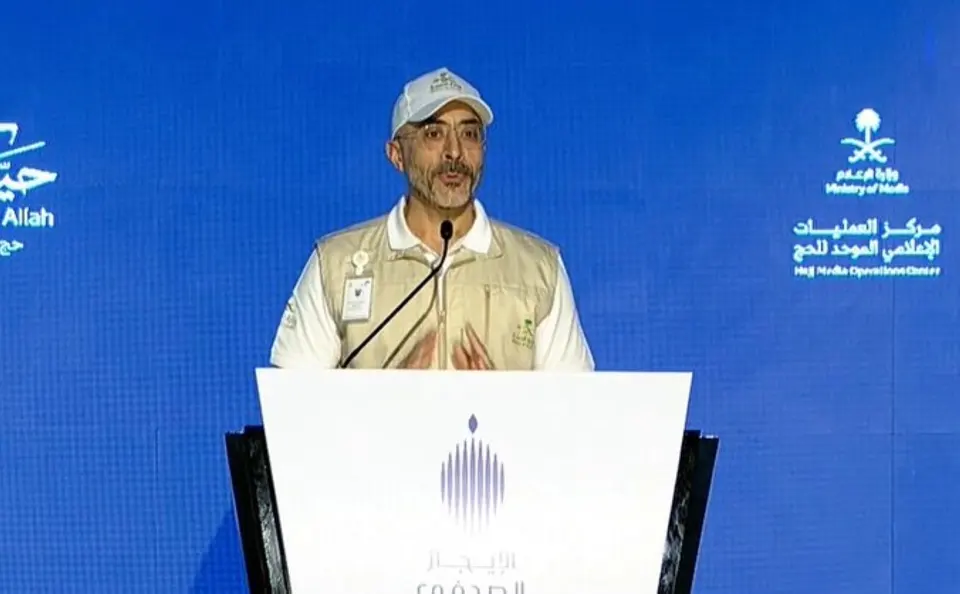
The Ministry of Health of Saudi Arabia has confirmed the stable health condition of pilgrims with no outbreaks of diseases. During the season, more than 1.2 million medical services have been provided thanks to an advanced and efficient healthcare system.
Scale of Medical Services for Pilgrims
During the pilgrimage, the healthcare system of Saudi Arabia deployed an unprecedented number of medical services. According to the Ministry of Health, by the 10th day of the month of Dhul-Hijjah, over 1.2 million services had been provided. Health centers and emergency departments received 49,900 individuals, while urgent care departments handled 41,700 cases. Clinics treated 14,500 patients, and 4,900 individuals were admitted to hospitals. These figures vividly demonstrate the scale and coordination of the medical system's work.
Complex Surgical Operations and Specialized Care
Medical teams performed 29 open-heart surgeries, 251 heart catheterizations, and 337 other surgical procedures. Special attention was given to treating heat-related injuries — doctors successfully managed 466 cases of heat strokes. The unified call center 937 received over one million calls, indicating the high accessibility of medical assistance and active interaction of pilgrims with the healthcare system. Such a level of professionalism and preparedness ensured timely assistance in critical situations.
Preventive Measures and Health Status
The Ministry of Health actively promoted preventive measures to protect pilgrims from sun exposure. The compliance rate of pilgrims with recommendations for using umbrellas was 79 percent, significantly reducing the risk of heat-related injuries. A representative of the Ministry of Health, Abdulaziz Abdulbaqi, emphasized that the overall health condition of pilgrims remains stable without any significant threats. The comprehensive and integrated healthcare system ensured the safety and well-being of millions of believers throughout the pilgrimage season.
Organization and Efficiency of Healthcare
The success of the healthcare system is based on proactive planning, an integrated approach, and high standards of service quality. The rapid response field system allowed medical teams to provide assistance in multiple locations simultaneously. Every aspect — from health centers to emergency departments and hospitals — operated with exceptional efficiency. This organization ensured the delivery of modern and safe medical care to all pilgrims and confirmed the system's commitment to maintaining the highest healthcare standards.
Frequently Asked Questions
What were the main health indicators of the pilgrims?
According to official data, a stable health condition was recorded with no outbreaks of diseases or serious threats. More than 1.2 million medical services were provided, including 4,900 hospitalizations and 29 open-heart surgeries.
What preventive measures were taken to protect pilgrims?
The Ministry promoted the use of umbrellas for sun protection, achieving a 79 percent compliance rate. An extensive information campaign was also conducted through the unified call center 937, which received over a million calls.
How did the healthcare system handle emergencies?
Emergency departments handled 41,700 cases, successfully treated 466 heat strokes, and performed 337 surgical operations. The rapid response field system ensured timely medical intervention in multiple locations simultaneously.