
Safety of Pilgrimage: International Cooperation in Saudi Arabia
Saudi Minister of Interior and Chairman of the Supreme Hajj Committee Prince Abdulaziz bin Saud bin Naif held talks with interior ministers of several countries at the ministry's headquarters in Makkah on Wednesday.
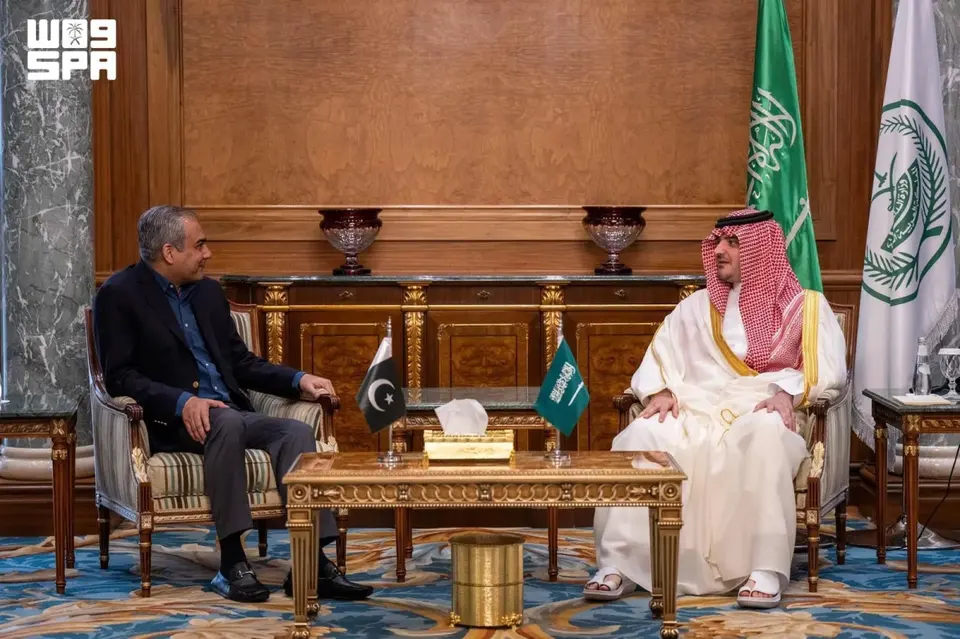
The interior ministers of Saudi Arabia, Pakistan, Iraq, Lebanon, and Kuwait met in Mecca to discuss joint measures to enhance the safety of pilgrims and coordination between countries.
Meeting in Mecca: A New Level of Cooperation
High-ranking officials from five countries gathered at the headquarters of the Ministry of Interior of Saudi Arabia in Mecca. Prince Abdulaziz bin Saud bin Naif, who heads the Ministry of Interior and the Supreme Hajj Committee, held talks with Pakistan's Federal Minister for Interior and Narcotics Control Mohsin Naqvi, Iraqi Interior Minister Lieutenant General Abdulamir Al-Shammari, Lebanese Minister of Interior and Municipalities Ahmad Al-Hajjar, and Kuwaiti Interior Minister Sheikh Fahad Yusuf Saud Al-Sabah. The meeting focused on discussing ways to strengthen security and coordination among states in the context of growing pilgrimage tourism.
Key Security and Coordination Issues
During the negotiations, the parties discussed various aspects of mutual cooperation and topics of common interest to all participants. Special attention was given to the exchange of experiences in security when organizing mass religious events. The ministers acknowledged the tremendous efforts made by Saudi Arabia to serve pilgrims, including an integrated system of services and organizational measures that ensure the performance of Hajj rituals in comfort and safety. Such international cooperation is critically important for protecting millions of believers who come to Mecca from all over the world each year.
The Importance of Security for the Pilgrimage Experience
Safety and order are the foundation of a positive pilgrimage experience. When travelers know that their well-being is under reliable protection, they can fully focus on the spiritual side of their journey. Coordination between the countries sending pilgrims and the host country helps prevent problems at early stages, from document checks to organizing safe transport to holy sites. The joint efforts of Saudi Arabia and neighboring states create a reliable protection system that covers the entire journey of the pilgrim—from crossing the border to completing rituals in Mecca and Medina.
The Role of Modern Technologies and Management Systems
Modern approaches to security during Hajj include the use of advanced technologies, effective management of people flows, and clear coordination among various departments. Saudi Arabia continuously improves its systems to handle the vast number of pilgrims arriving from different countries. International cooperation complements these technological solutions, allowing countries to share best practices and develop unified security standards. Such a comprehensive approach ensures that pilgrims can fulfill their sacred duty without worrying about their safety and well-being.
Frequently Asked Questions
Why is security so important in organizing Hajj?
Security allows millions of pilgrims to focus on the spiritual side of their journey. Reliable protection and clear organization prevent emergencies and ensure a comfortable performance of religious rituals in the holy places of Mecca and Medina.
Which countries are involved in coordinating Hajj security?
The negotiations involved Saudi Arabia, Pakistan, Iraq, Lebanon, and Kuwait. These countries discussed ways to strengthen cooperation and share experiences in security when organizing mass pilgrimage events.
How does international cooperation improve the safety of pilgrims?
Coordination between the sending countries and Saudi Arabia allows for the development of unified security standards, sharing of best practices, and creating reliable protection at all stages of the pilgrimage journey—from documents to transport and accommodation.