
Preparation for Hajj 2026: Overview of Operational Plans
Advisor to Custodian of the Two Holy Mosques, Emir of Makkah and Chairman of the Permanent Committee for Hajj and Umrah Prince Khaled Al-Faisal reviewed the outcomes of the committee's meetings and the operational plans of relevant entities for the 2026 Hajj season.
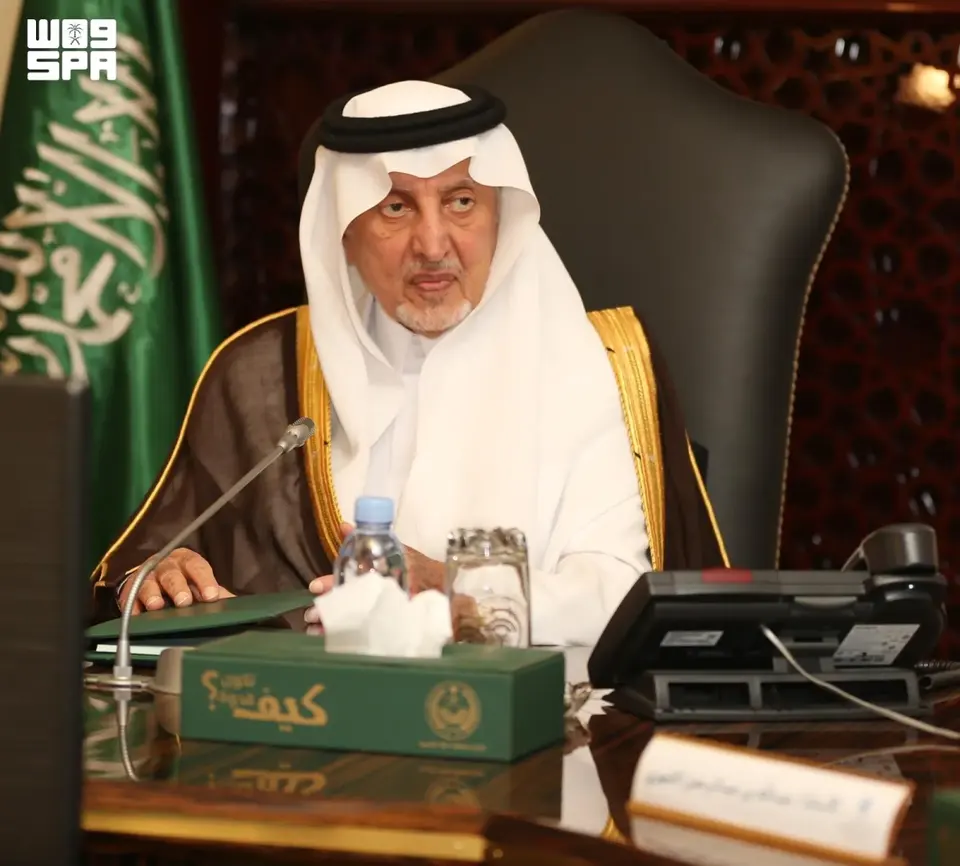
The Emir of Makkah, Prince Khaled Al-Faisal, held a meeting on the results of the preparations for the Hajj 2026 season, reviewing the operational plans of all involved agencies and the coordination of services for pilgrims.
Coordination of Services for Pilgrims
Prince Khaled Al-Faisal, Chairman of the Permanent Committee for Hajj and Umrah, held a meeting where the results of inspection tours of the holy sites and critical infrastructure facilities were discussed in detail. The Deputy Emir of Makkah, Prince Saud bin Mishal, presented a report on the readiness status of all participating institutions to welcome the pilgrims. The main focus is on ensuring uninterrupted service for the faithful at all stages of their stay — from arrival to departure. This comprehensive approach minimizes risks and guarantees the dignified performance of the sacred ritual.
Performance Indicators Analysis
During the meeting, key performance indicators of all participating structures were reviewed. The Emir paid attention to the details of interaction between various agencies — from transportation services to medical support and security. Strengthening coordination among organizations is the foundation for the successful conduct of Hajj, when over a million believers from around the world arrive simultaneously. Each agency must act as a unified mechanism, anticipating the needs of pilgrims and responding promptly to emerging situations.
Inspection Tours of Holy Sites
The conducted inspection tours covered all sacred sites and vital infrastructure nodes. Conditions in places of congregation for pilgrims, the state of roads, water supply, electricity supply, and healthcare systems were checked. Special attention was paid to the safety and comfort of the faithful during the performance of rituals. The results of these tours help identify bottlenecks and take timely measures to address them. Such preliminary work is critically important to prevent problems during the peak of pilgrimage.
Planning Routes and Flows of Pilgrims
The operational plans include a detailed scheme for managing the flows of pilgrims through the holy sites. Routes have been developed to avoid crowding and ensure the safety of the faithful. A modern approach to organization is used — employing technologies for monitoring crowd density and dynamically redirecting flows. Each stage of the pilgrim's journey — from the Al-Haram Mosque to Mount Arafat — is carefully planned, taking into account historical experience and modern safety requirements.
Frequently Asked Questions
When does Hajj 2026 start?
The exact dates of Hajj 2026 are determined by the lunar calendar. Usually, the pilgrimage season lasts about two weeks. It is recommended to follow official announcements from Saudi authorities for clarification of specific dates and times of the rituals.
What main security aspects were considered?
The plans include measures for managing the flow of people, medical support, fire safety, security, and coordination of emergency services. Climate conditions and the needs of pilgrims from different countries were also taken into account.
How can pilgrims prepare for Hajj?
It is recommended to study the rules and requirements in advance, undergo necessary medical procedures and vaccinations, familiarize oneself with the routes of the holy sites and the schedule of rituals. Physical and spiritual preparation will help to perform the pilgrimage with dignity.