
Medical Evacuation of a Pilgrim: Emergency Assistance During Hajj
An air medical evacuation aircraft belonging to the Ministry of Defense carried out an emergency medical mission in record time, airlifting a woman pilgrim in her 20s, who is suffering from a critical diabetic coma, from Mina Emergency Hospital to a hospital in eastern Jeddah.
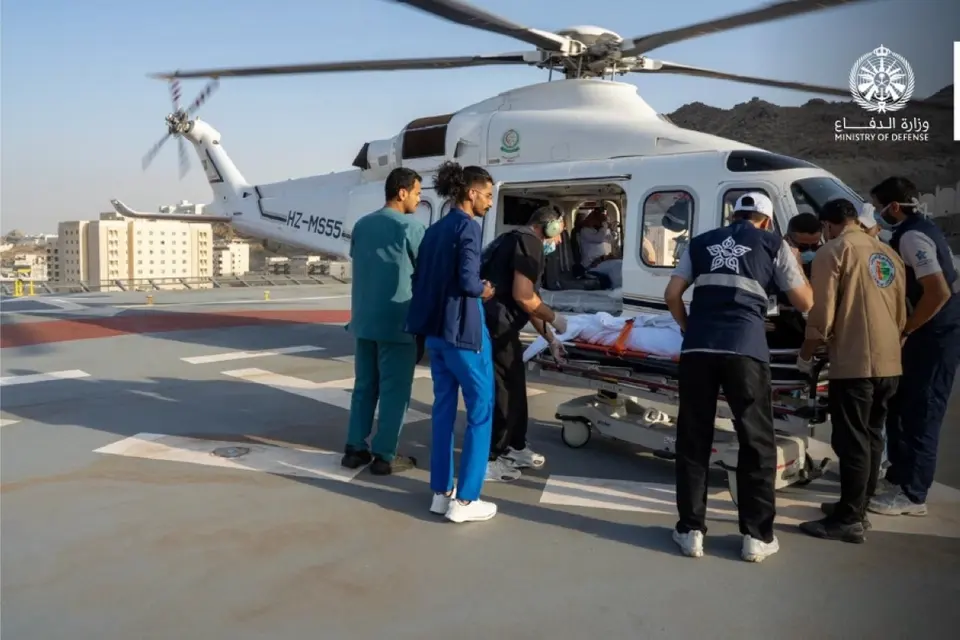
An air medical evacuation saved the life of a young pilgrim in critical condition. The story illustrates how an organized healthcare system and preparedness for emergencies ensure the safety of pilgrims.
Emergency Evacuation in Record Time
The medical evacuation aircraft of the Saudi Arabian Ministry of Defense carried out an urgent rescue mission, transporting a 20-year-old woman from the Mina Emergency Hospital to a medical facility in eastern Jeddah. The pilgrim was suffering from a critical diabetic coma — a condition requiring immediate intervention from specialists. The evacuation was conducted with maximum speed after receiving an urgent medical report. Specialized teams ensured the stabilization of the patient's condition and her timely transport for advanced medical care.
Integrated Healthcare System During Hajj
This mission demonstrates the coordinated work of the healthcare and military sectors during the pilgrimage season. Emergency preparedness systems include air transport equipped with modern medical equipment and trained personnel capable of providing assistance at any moment. Such organization allows for significantly reducing response times to critical situations and ensuring pilgrims have access to the necessary level of medical care regardless of their location.
Health of Pilgrims: Prevention and Preparation
The story of the pilgrim's evacuation serves as a reminder of the importance of medical preparation before undertaking the pilgrimage. Individuals with chronic illnesses, such as diabetes, should carefully plan their pilgrimage journey: consult a doctor, prepare sufficient medications, and carry medical documentation in Arabic or English. During Hajj, high physical exertion, changes in climate, and dietary shifts can trigger exacerbations of chronic conditions. Awareness of one's health and advance preparation are key to a safe pilgrimage.
The Role of Technology and Coordination
The successful evacuation was made possible by a clear communication system between hospitals, dispatch centers, and aviation units. Modern technology allows for rapid assessment of the patient's condition, determination of the necessary level of medical assistance, and direction to the appropriate facility. Such coordination is critically important in situations of mass gatherings, where every minute can determine a person's fate.
Frequently Asked Questions
What emergency medical services are available to pilgrims?
In Saudi Arabia, a vast network of hospitals, clinics, and emergency points is deployed, specifically prepared to receive pilgrims. Air evacuation, intensive care, and specialized medical assistance services are available. Pilgrims can approach the nearest medical facility or call for an ambulance.
How to prepare for Hajj with a chronic illness?
It is necessary to consult a doctor, receive recommendations on regimen and medications, prepare a sufficient amount of medications, and have a medical certificate and test results. It is important to inform companions about one's condition and to know the main symptoms of complications.
What to do if you feel unwell during Hajj?
Immediately go to the nearest medical point or hospital, call for an ambulance (number 997 in Saudi Arabia), and report your symptoms and location. Do not try to ignore alarming signs — timely intervention can save a life.