
Medical Assistance for Pilgrims: Rescue During Myocardial Infarction
Rapid intervention of medical teams from the Makkah Health Cluster has been instrumental in saving the lives of four Hajj pilgrims after suffering from acute heart attacks.
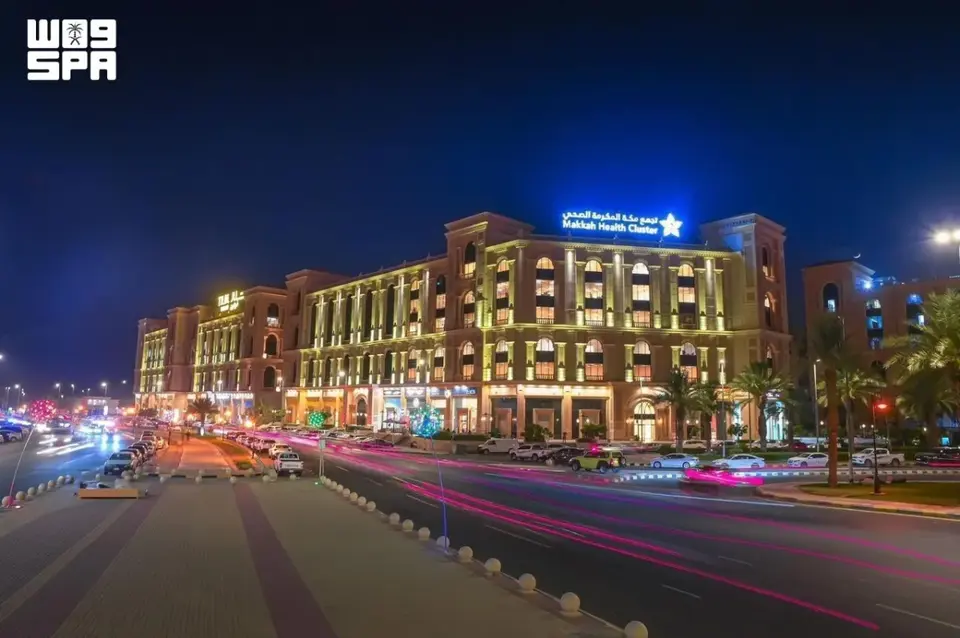
Four pilgrims from different countries survived acute myocardial infarction thanks to the coordinated work of the Makkah Health Cluster medical teams and modern emergency cardiology technologies.
Lightning-Fast Response Saves Lives
During the Hajj in Mecca, the medical teams of the Makkah Health Cluster demonstrated how critical the speed of assistance is during heart attacks. Four pilgrims aged between 60 and 70 from Algeria, Malaysia, Syria, and Iraq experienced acute myocardial infarction. Thanks to rapid response and an integrated assistance system in accordance with international emergency cardiology standards, all four were saved. The coordinated efforts between various medical institutions in the cluster allowed for the swift stabilization of the patients' conditions and their transportation to specialized cardiology centers.
Modern Technologies and Specialized Treatment
One of the rescued pilgrims—a neurologist from Iraq—received emergency intervention at the King Abdullah Medical City Cardiology Center. The coronary angiography procedure with blood flow restoration was performed without complications, allowing the patient to recover quickly and leave the hospital in good condition. The modern approach to postoperative care includes remote monitoring of vital signs through smart watch technology, ensuring continuous health status monitoring even after discharge from the hospital.
The Importance of Medical Preparation Before Pilgrimage
The story of the rescue of these four pilgrims highlights the importance of undergoing a medical examination before performing Hajj, especially for older individuals or those with known cardiovascular risks. Planning for pilgrimage should include consultation with a cardiologist, assessment of heart function, and, if necessary, adjustment of medication therapy. Additionally, pilgrims should carry detailed information about their health, including results of electrocardiograms and echocardiograms, which will help medical teams make quick and correct decisions in critical situations.
Healthcare Infrastructure in Saudi Arabia for Pilgrims
Saudi Arabia has invested significant resources in developing medical infrastructure to serve millions of pilgrims arriving for Hajj each year. The Makkah Health Cluster is an example of an integrated healthcare system where various hospitals and clinics work in coordination to provide emergency care. Specialized cardiology centers equipped with modern equipment allow for complex life-saving interventions. This infrastructure, combined with trained medical personnel, ensures a high level of safety for pilgrims from around the world.
Frequently Asked Questions
What signs of myocardial infarction should alert a pilgrim?
Acute chest pain or pressure, shortness of breath, cold sweat, nausea, and weakness are the main symptoms of a heart attack. If any of these signs appear, it is essential to seek medical help immediately. During Hajj, one should promptly inform companions or find the nearest medical post.
Is medical insurance required for pilgrimage?
Yes, medical insurance is critically important. It covers expenses for emergency care, hospitalization, and specialized treatment. Saudi Arabia requires insurance for all pilgrims, ensuring access to the healthcare system without additional financial worries in critical moments.
How to prepare for Hajj with heart problems?
Consult a cardiologist several months before the trip, undergo necessary examinations, ensure your medications are up to date, and bring medical documents with you. Inform your group about any heart problems and coordinate an action plan in case of an emergency.