
Meat of the Hajj Sacrifice: How 27 Countries Receive Aid
MEAT OF SACRIFICIAL ANIMALS FROM HAJJ WILL BE SENT TO 27 COUNTRIES The meat of sacrificial animals is distributed within Saudi Arabia through 700 charitable organizations and is also sent to 27 countries, including the Gaza Strip, according to carefully developed humanitarian and economic standards. The project covers the entire cycle: from purchasing the sacrificial animal through official channels, veterinary and Sharia control to meat distribution and notifying the recipient. The initiative helps reduce chaotic slaughter practices, protect public health, improve the experience of pilgrims, ensure full utilization of meat, and minimize food waste. The capacity of the project's facilities exceeds 1.1 million head of livestock, and more than 700 charitable organizations are involved in operational and support activities.
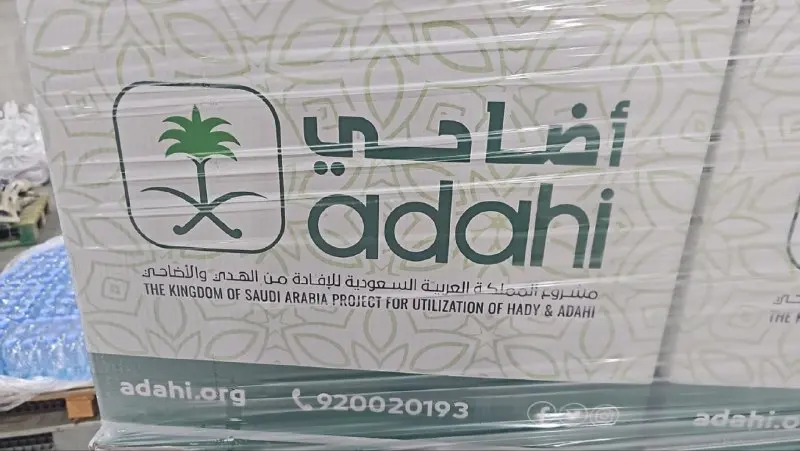
Saudi Arabia distributes the meat of sacrificial animals from Hajj through 700 charitable organizations in 27 countries around the world, including the Gaza Strip, adhering to strict humanitarian and religious standards.
Scale and Organization of Global Distribution
Every year during Hajj, pilgrims perform the ritual sacrifice, and the meat of the animals becomes a valuable resource for helping those in need. The project covers not only Saudi Arabia but also extends far beyond its borders. Meat is sent to 27 countries worldwide, reaching communities that require food support. The capacity of the project's specialized facilities exceeds 1.1 million head of livestock, allowing for the processing of large volumes in a short time. More than 700 charitable organizations are involved within the country, each playing a key role in logistics and delivery.
Full Cycle of Quality and Safety Control
The project is built on the principle of complete control at every stage. Starting from the purchase of the animal through official channels and ending with the delivery of the meat to the final recipient, each step is carefully regulated. Veterinary inspection ensures the safety of the products for human health, while Sharia control ensures compliance with religious requirements. This approach protects public health, prevents chaotic slaughter practices, and creates a transparent distribution system. Pilgrims receive notifications about where their sacrifice is directed, adding additional meaning to the ritual and connecting people across continents.
Minimizing Waste and Maximizing Benefit
The initiative is focused on the complete utilization of resources. The meat is not just distributed — every part of the animal finds application, minimizing food waste. This aligns with the principles of sustainable development and responsible resource management. In addition to its charitable function, the project enhances the experience of the pilgrims themselves, allowing them to see the specific positive result of their worship. People from different corners of the world performing Hajj become participants in a global system of mutual aid, transforming the spiritual ritual into an act of practical solidarity with those in need.
Social and Humanitarian Significance
Behind the dry logistics figures lies a deep human dimension. Families in the Gaza Strip, refugee camps, and underprivileged communities in various countries receive high-quality protein during critical periods. The project demonstrates how a religious ritual can be organized in such a way as to bring maximum benefit to humanity. It also supports local economies in recipient countries, as the distribution of meat creates jobs and strengthens charitable chains. The initiative shows that pilgrimage is not only a spiritual journey but also an opportunity to provide real help to people on the other side of the globe.
Frequently Asked Questions
How is the meat stored and transported to other countries?
The meat is processed, packaged, and frozen at modern project facilities equipped with refrigeration units. It is then sent to recipient countries in accordance with international transportation and sanitation standards, ensuring the safety and quality of the products throughout the journey.
Which countries receive the sacrificial meat?
The meat is distributed to 27 countries worldwide, including countries in the Middle East, Africa, Asia, and other regions. The Gaza Strip is one of the priority recipients. Distribution is carried out based on humanitarian needs and in cooperation with international organizations.
Who makes decisions about the distribution of meat between countries?
The distribution is coordinated by specialized bodies in Saudi Arabia in accordance with humanitarian and economic standards. Decisions are made taking into account the needs of vulnerable population groups in different countries and in cooperation with local charitable organizations.