
Mangrove Forests of Jazan: Saudi Arabia's Commitment to Ecosystem Care
JAZAN — Turquoise streams, vibrant green coastlines, and more than 23 million mangrove trees define Jazan's rich mangrove ecosystem and reflect the Kingdom's commitment to environmental conservation. On the International Day for the Conservation of the Mangrove Ecosystem, observed annually on July 26, the Saudi Press Agency (SPA) highlighted Jazan's mangrove forests as a showcase of Saudi Arabia's conservation efforts and sustainable management of natural resources. SPA explained that the forests play a vital role in protecting coastal ecosystems and prese
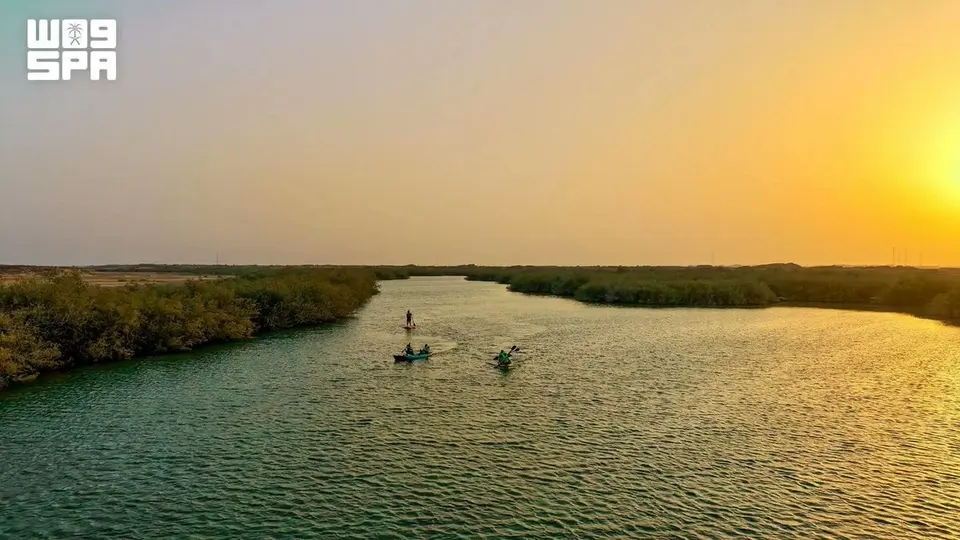
More than 23 million mangrove trees along the coast of Jazan symbolize Saudi Arabia's commitment to nature conservation and sustainable development. These unique ecosystems play a key role in preserving biodiversity and combating climate change.
Scale of Jazan's Mangrove Forests
Jazan, located on the southwestern coast of Saudi Arabia, has one of the richest mangrove ecosystems in the region. Turquoise streams, vibrant green coastlines, and over 23 million trees create a unique landscape that impresses with its beauty and ecological significance. The national afforestation program has significantly contributed to the expansion of mangrove forests, turning them into one of the symbols of the country's conservation achievements. These forests cover vast coastal areas and serve as a living testament to a long-term strategic approach to conserving natural resources.
Ecological Importance of Mangrove Ecosystems
Mangrove forests perform critically important functions for coastal ecosystems. They protect the coastline from erosion, filter seawater, and create ideal conditions for the spawning of fish and other marine organisms. The root systems of the trees provide shelter for juvenile marine species, making mangroves an integral part of the Arabian Sea's food chain. Additionally, these forests play a vital role in combating climate change by absorbing carbon dioxide and storing carbon in soil and vegetation. Preserving mangrove ecosystems is an investment in the health of the planet and the future of marine resources.
National Initiatives and Sustainable Development
Saudi Arabia demonstrates a serious intention to develop and protect mangrove forests through a comprehensive set of environmental programs. The national afforestation program has not only expanded the area of vegetation cover but has also strengthened the resilience of the coastal environment to external impacts. Government initiatives aim to preserve biodiversity, protect natural resources for future generations, and diversify the economy. Mangrove ecosystems contribute to the development of sustainable tourism, fishing, and other sectors that depend on the health of the marine environment. This integrated approach reflects an understanding of the interconnection between conservation efforts and socio-economic well-being.
Significance of the International Day for the Conservation of Mangrove Ecosystems
July 26, declared the International Day for the Conservation of Mangrove Ecosystems, serves as a reminder of the global importance of these natural treasures. On this day, the Saudi Press Agency highlighted Jazan's achievements as an example of successful conservation policy. Such days help raise awareness of the fragility of ecosystems and the need for their protection. The mangrove forests of Jazan become a symbol of what is possible with political will and investment in the restoration and development of natural ecosystems. The history of these forests inspires and shows that caring for the environment and economic development can go hand in hand.
Frequently Asked Questions
Why are mangrove forests so important for coastal regions?
Mangroves protect shores from erosion, serve as breeding grounds for marine organisms, filter seawater, and help combat climate change by absorbing carbon dioxide. They create a buffer between land and sea, mitigating the impact of storms and tides.
How many mangrove trees have been planted in Jazan?
The national afforestation program of Saudi Arabia has planted over 23 million mangrove trees along the coast of Jazan. This ambitious project aims to expand vegetation cover and strengthen ecosystem resilience.
How do mangrove forests contribute to economic development?
Mangrove ecosystems support fishing, sustainable tourism, and other sectors that depend on the health of the marine environment. They also provide biological resources and create opportunities for economic diversification in coastal regions.