
Local photographers tell the story of the Prince Mohammed Reserve
RIYADH — Prince Mohammed bin Salman Royal Reserve is putting cameras in the hands of the people who live and work across its landscapes, empowering rangers, ecologists and community specialists to tell the story of conservation through their own eyes. Marking World Photography Day on Wednesday, the Reserve announced the completion of an intensive six-month photography development program designed to build local storytelling skills and document the land, sea, wildlife, people and culture that define the Reserve. “This isn't about pretty pictures. Photographic storytelling by l
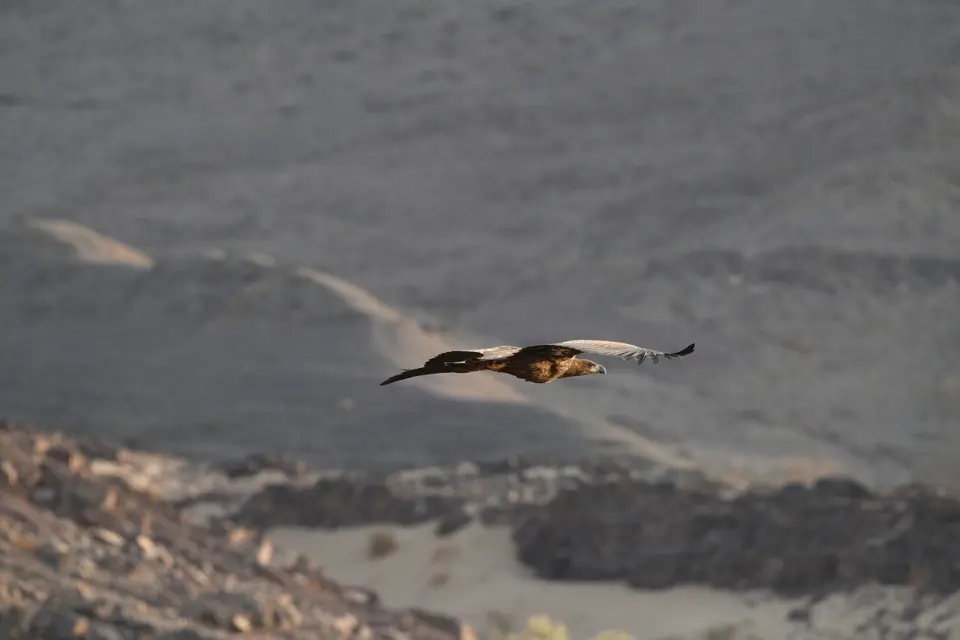
The Prince Mohammed bin Salman Reserve has trained local rangers and ecologists in professional photography so they can tell the story of nature conservation through their own eyes and voice.
Local voices in the spotlight
In honor of World Photography Day, the reserve announced the completion of an intensive six-month course on developing photographic skills. The initiative began with 36 reserve team members undergoing a two-day introductory smartphone photography training. From this group, 13 participants — nine men and four women — were selected for an advanced digital photography course based on their photographic vision and passion for the craft. Participants included rangers, ecologists, and community development specialists who were trained under the guidance of international fine art photographer and lecturer Angela Buckland.
Training as a tool for sustainable development
“This isn't just about pretty pictures. The photographic storytelling created by the locals of the Prince Mohammed bin Salman Reserve is a catalyst for social and environmental sustainability,” said the reserve's director Andrew Zalumis. The course covered visual literacy, exposure, lens selection, and other technical fundamentals, supplemented by individual mentorship. This helped participants develop their own photographic style and ability to tell stories about nature and culture.
Documenting life and nature
Over six months of training, participants documented everyday life, landscapes, cultural heritage, and major milestones in conservation within the reserve. They captured the relocation of the red-necked ostrich, Arabian hare, and Asian bustard — species that have been returned to their natural habitat. One participant, ranger Abdullah Al-Huwaiti, created stunning images, including a photograph of the Milky Way over the reserve's acacias and documenting his father's traditional coffee preparation in the village of Ashwaq.
The connection between community and nature
The initiative demonstrates the importance of involving local communities in storytelling about conservation. When people who live and work on the land become its voice, the story becomes more authentic and inspiring. The photographs created during the course not only document the beauty and biodiversity of the reserve but also show the human dimension of conservation — how locals actively participate in protecting their environment and cultural heritage.
Frequently asked questions
Who participated in the photography training program?
The program included 13 members of the reserve team: rangers, ecologists, and community development specialists. They were selected from 36 participants of the initial two-day course based on their photographic vision and passion for the art.
What skills were taught in the course?
The course covered visual literacy, working with exposure, lens selection, and other technical fundamentals of photography. Participants also received individual mentorship from international fine art photographer Angela Buckland to develop their own style.
What results did the program yield?
Participants documented landscapes, wildlife, cultural heritage, and key moments in conservation, including the relocation of rare animal species. Their work tells the story of the reserve through a local perspective and authentic voice.