
International Cooperation in Tourism: A Path to Sustainable Development
Saudi Tourism Minister Ahmed Al-Khateeb urged stronger international cooperation at the UN Tourism Executive Council and highlighted the Riyadh Declaration on the Future of Tourism.
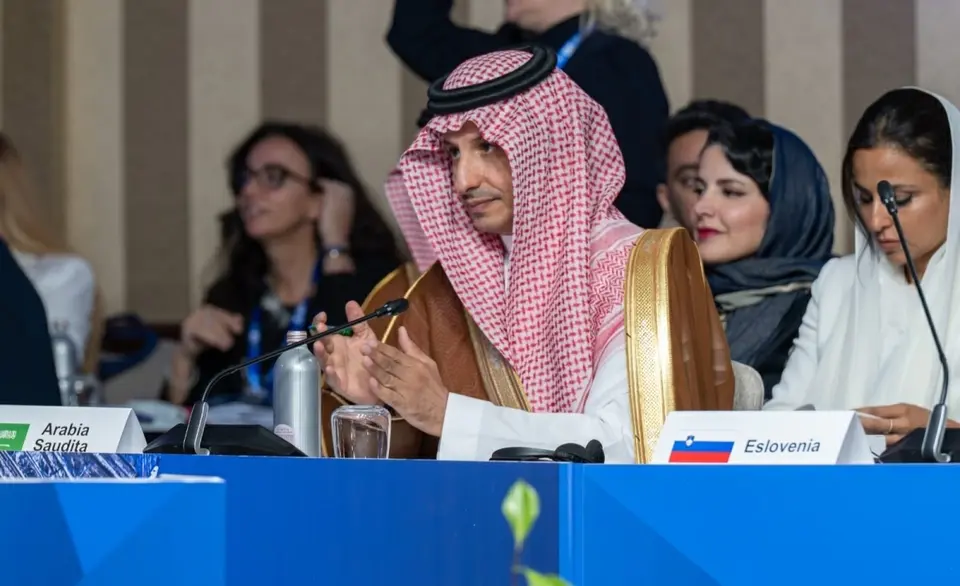
Saudi Arabia calls for strengthening global partnerships in the tourism sector. The country's Minister of Tourism emphasized the importance of joint actions to enhance the industry's resilience in the face of challenges.
Saudi Initiative on the International Stage
At the 126th session of the UN Tourism Executive Council in Toledo, Saudi Arabia's Minister of Tourism Ahmed Al-Khateeb called for practical international cooperation. He emphasized that the tourism industry continues to demonstrate resilience and adaptability despite global challenges. Saudi Arabia is moving from declarative promises to concrete implementation of initiatives aimed at preparing the sector for future trials. This reflects the Kingdom's growing role in the development of global tourism and its responsibility as the host of the UN regional headquarters for tourism in the Middle East.
Riyadh Declaration: A Foundation for Long-Term Development
A key outcome of Saudi Arabia's activities was the Riyadh Declaration on the Future of Tourism, adopted at the 26th UN General Assembly on Tourism. This document creates a comprehensive basis for supporting long-term development, growth, and resilience of the global tourism industry. The declaration covers strategic directions, including human capital development, knowledge exchange, and promotion of tourist destinations. The document reflects the consensus of UN members on tourism regarding the priorities for sector development in the context of economic and geopolitical uncertainties.
Bilaterals Partnerships and Best Practice Exchange
Saudi Arabia is actively developing bilateral cooperation in the tourism sector. On the sidelines of the Executive Council session, Al-Khateeb signed a joint work program with France covering workforce development in tourism, investments, sustainable tourism, innovation, technology, and analytics. Meetings were also held with official representatives from Greece, Spain, Indonesia, and Egypt to explore future cooperation opportunities. These initiatives demonstrate that modern tourism requires coordinated actions at the country level, including the exchange of experiences in destination development and specialist training.
Tourism as a Factor of Economic Development and Stability
The Minister emphasized that the tourism industry remains a key pillar of national economies and a powerful engine of development. Despite global upheavals, the sector continues to recover and adapt. This makes it particularly important for developing countries and regions seeking economic diversification. International cooperation in tourism contributes not only to economic development but also to cultural exchange, strengthening peace initiatives, and sustainable development of tourist destinations. Platforms for sharing best practices, such as UN tourism meetings, help countries build more effective and inclusive tourism strategies.
Frequently Asked Questions
What is Saudi Arabia's role in the global tourism movement?
Saudi Arabia actively participates in the development of world tourism, serving as the regional headquarters of the UN for tourism in the Middle East. The country hosts international conferences, develops declarations for sector development, and signs bilateral cooperation agreements with other states.
What is the Riyadh Declaration and why is it important?
The Riyadh Declaration on the Future of Tourism is a strategic document unanimously adopted by UN members on tourism. It establishes a framework for long-term development, growth, and resilience of the global tourism industry, defining priorities in human capital development and innovation.
How does international cooperation improve the tourist experience?
Cooperation between countries allows for the exchange of best practices in destination development, specialist training, and the application of innovative technologies. This enhances service quality, traveler safety, and the resilience of tourist regions to economic challenges.