
Heat in Saudi Arabia: Forecast for August–October 2026
Saudi Arabia is expected to experience warmer-than-normal conditions across most regions from August through October 2026, with rainfall forecast to become more widespread toward the end of the period, according to the National Center for Meteorology (NCM).
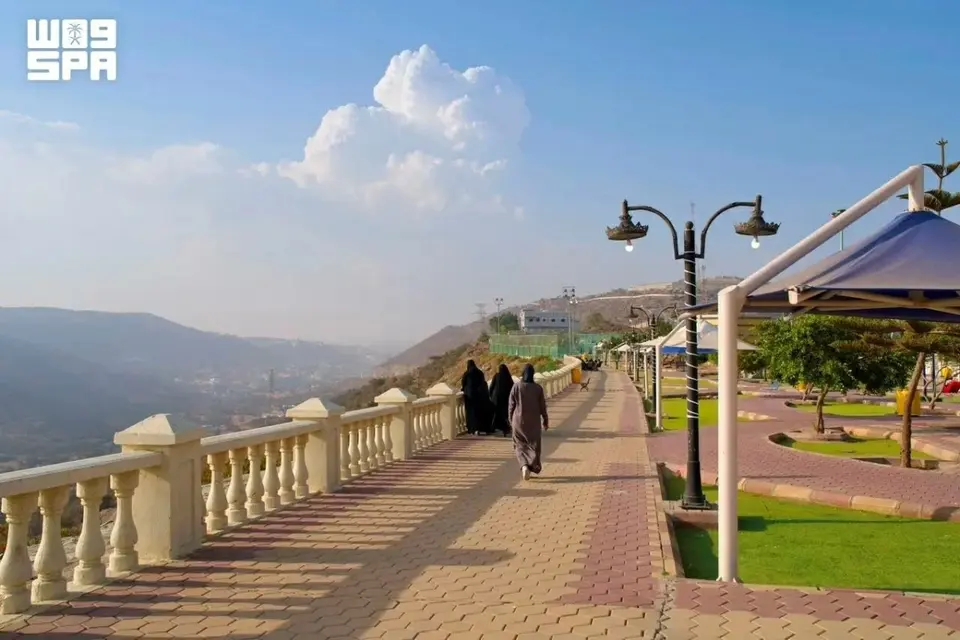
The National Center of Meteorology of Saudi Arabia predicts abnormally high temperatures from August to October 2026, with a probability above normal of 60–80%. Travelers should prepare for extreme heat.
Temperature Anomalies by Month
Saudi Arabia expects an exceptionally warm period over the three months. August traditionally remains the hottest month of the year, and this time temperatures will rise even higher than usual — by 1.5–2.5°C above the climatic norm. The most significant warming is forecasted in the western part of the Baha province, the western part of Asir, and the southwestern part of Mecca, where the increase may reach 2.5°C. In September, the probability of above-normal temperatures will be 65–80%, and in October — 40–80% depending on the region.
Historical Heat Records
To understand the scale of the heat, it is useful to know historical data. The highest temperature in August — 51°C was recorded in Qaisumah on August 19, 1998, and in Dammam on August 13, 2021. In September, the record was 49.4°C in Mecca (September 9, 1988) and in Rafha (September 30, 2019). In October, the maximum reached 48.4°C in Rafha on October 12, 2019. The current forecast indicates the likelihood of repeating or exceeding these figures.
Expected Precipitation and Its Distribution
The picture with precipitation is more complex. In August, below-normal rainfall is expected in the Jizan province, Baha, and some western, southern, and central regions (probability 45–60%). September will bring an increased probability of above-normal precipitation in Tabuk, Medina, and Baha (45–70%). By October, above-normal rainfall is expected across the kingdom (40–80%). Jizan traditionally receives the highest average amount of August rainfall — 32.3 millimeters, followed by Khamis Mushait (29.5 mm) and Abha (25.9 mm).
Recommendations for Travelers
People planning to visit Saudi Arabia during this period are advised to prepare thoroughly. It is necessary to stock up on high-SPF sunscreen, light and loose clothing in light colors, and comfortable shoes for long walks. It is important to maintain hydration and avoid direct sunlight during peak hours (11:00 AM–4:00 PM). For pilgrims, it is especially critical to plan routes considering the availability of shaded areas and water sources. When planning a trip, it is advisable to choose early morning or evening hours for active walks and visits to holy sites.
Frequently Asked Questions
What is the maximum temperature expected in August 2026?
Temperatures are forecasted to rise by 1.5–2.5°C above normal, which may lead to maximums of 50–51°C and higher in some regions. Exact values will depend on the specific locality and will be clarified closer to the date.
How to prepare for abnormal heat when visiting holy sites?
Wear light, breathable clothing, sunscreen SPF 50+, a hat, and sunglasses. Carry at least 2–3 liters of water, take breaks in cool places, and avoid activity during midday hours.
Will there be precipitation during August–October 2026?
August will bring below-normal rainfall, but by September and October, the probability of above-normal precipitation will increase. Jizan, Baha, and Asir will receive the most rain, especially towards the end of the period.