
Hajj 2026: How the Logistics of Pilgrimage Are Organized
MINA — Makkah Deputy Emir Prince Saud bin Mishaal met with Minister of Hajj and Umrah Tawfiq Al-Rabiah and Minister of Transport and Logistics Saleh Al-Jasser separately to review operations for the 2026 Hajj. The meeting between the deputy emir and minister of Hajj highlighted successful inter-agency cooperation that enhanced the efficiency of crowd management, transportation, and pilgrim services. Key metrics showed that transportation plans directed 60 percent of pilgrims to Mina and 40 percent to Arafat on the Day of Tarwiyah. Additionally, digital initiatives saw the Nusuk card record ove
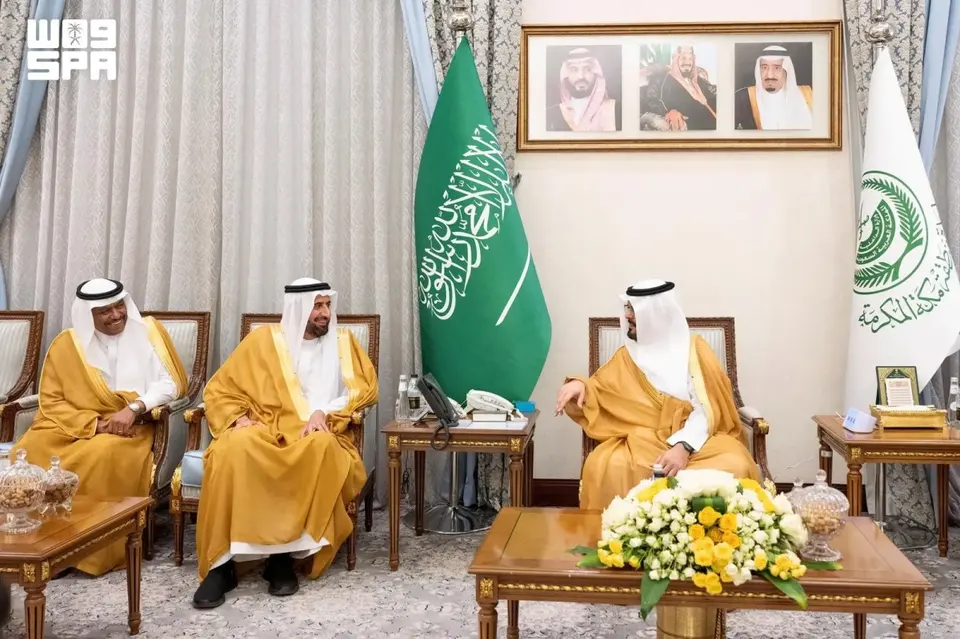
The Saudi authorities have implemented advanced systems for managing the flow of pilgrims, processing millions of travelers through modern transport and digital technologies on their way to the holy sites.
Coordination Between Ministries and Crowd Management
The Deputy Emir of Makkah, Prince Saud bin Mishaal, held meetings with the Minister of Hajj and Umrah, Tawfiq Al-Rabiah, and the Minister of Transport, Saleh Al-Jasser, to discuss the operational plans for Hajj 2026. The meetings highlighted successful inter-agency cooperation that enhanced the efficiency of crowd management, transportation, and pilgrim services. According to reports, on the Day of Tarwiyah, 60 percent of pilgrims were directed to Mina, while 40 percent went to Arafat, ensuring optimal distribution of the human flow at the holy sites.
Digital Innovations and Electronic Monitoring
Technological solutions played a key role in organizing the Hajj. The Nusuk electronic card recorded over four million scans before the Eid al-Adha holiday. More than 95,000 field inspection tours helped reduce operational remarks by 39 percent compared to the previous year. These figures demonstrate how modern technologies can significantly improve the safety and comfort of pilgrims, allowing authorities to monitor the situation in real-time and respond quickly to any issues.
Transport Solutions: Rail and Metro
Coordinated transportation plans ensured the smooth movement of a vast number of people. The Mashair Metro transported over 961,000 pilgrims, while the Haramain high-speed railway delivered more than 830,000 passengers before the Eid al-Adha holiday. The Ministry of Transport developed a comprehensive logistics strategy covering ground, rail, and air transport. All operations relied on advanced tracking and monitoring systems, ensuring safe, efficient, and reliable travel options for all pilgrims between entry points and holy sites.
The Scale and Importance of Organizing Hajj
Organizing Hajj represents one of the most complex logistical challenges in the world. Every year, millions of believers undertake the pilgrimage, and each year, management systems become more sophisticated. The success of 2026 demonstrates how investments in infrastructure, technology, and inter-agency cooperation create conditions for a safe and dignified pilgrimage. The experience gained from organizing such large-scale events serves as a model for other major international events.
Frequently Asked Questions
How are pilgrims distributed between Mina and Arafat?
On the Day of Tarwiyah, 60 percent of pilgrims are directed to Mina, while 40 percent go to Arafat. This distribution is based on detailed calculations and ensures optimal use of available resources and infrastructure for the comfort of the believers.
What role do digital technologies play in organizing Hajj?
Electronic systems, such as the Nusuk card, allow for real-time tracking of pilgrims' movements, recording millions of scans. This helps authorities control processes, identify issues, and optimize crowd management at the holy sites.
How many pilgrims have been transported using modern transport?
The Mashair Metro processed over 961,000 pilgrims, and the Haramain high-speed railway transported more than 830,000 passengers. These figures demonstrate the capabilities of modern infrastructure in serving millions of travelers.