
Extreme Heat in Saudi Arabia: 49°C and Travel Tips
The National Center for Meteorology (NCM) forecasts the continuation of hot to extremely hot weather, with temperatures reaching 49°C in parts of the Kingdom through Saturday.
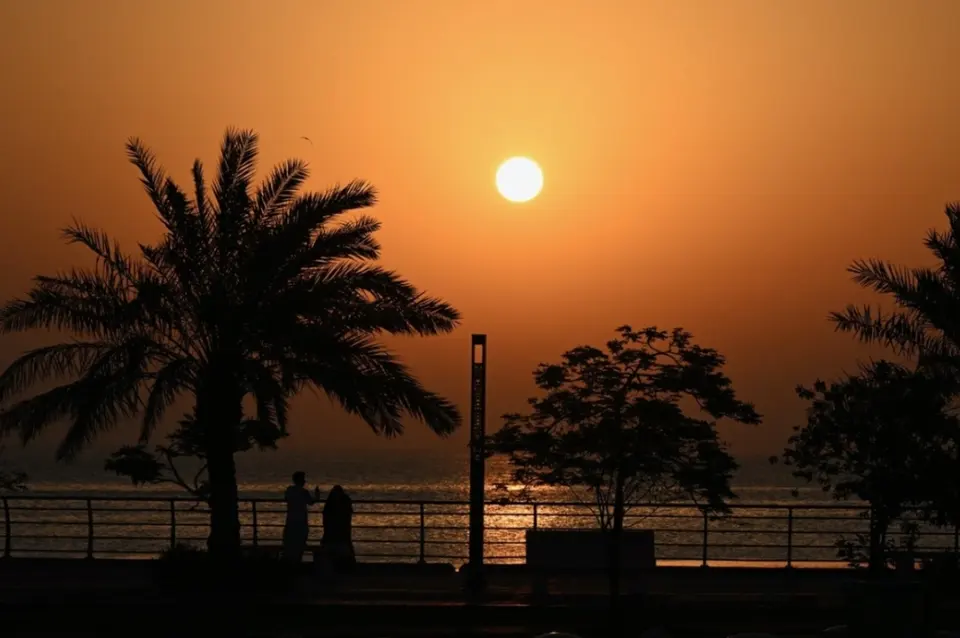
The National Center for Meteorology forecasts temperatures up to 49°C in the eastern regions of Saudi Arabia from July 20 to 25. Here’s how to travel safely in extreme heat.
What Travelers Can Expect in July
The National Center for Meteorology of Saudi Arabia has announced the continuation of extremely hot weather across much of the kingdom. From July 20 to 25, temperatures in the eastern provinces and southern areas of the Riyadh region may reach 49°C — a dangerous level for health. In the regions of Mecca, Medina, and Qassim, temperatures are expected to range from 46 to 48°C from July 20 to 22. Such heat requires special attention to health and safety, especially for pilgrims and tourists not accustomed to the region's climate.
Main Risks of Extreme Heat
At temperatures above 45°C, the human body is under stress. Direct exposure to the sun can lead to heat stroke, dehydration, and sunburn. Elderly people, children, and those with chronic illnesses are particularly vulnerable. Even a few minutes without protection outdoors in such heat can be dangerous. Additionally, extreme temperatures affect physical activity — the body tires more quickly, concentration decreases, and the risk of accidents increases.
How to Prepare for Travel in the Heat
If you plan to travel to Saudi Arabia in the height of summer, start preparing in advance. Purchase light, loose-fitting clothing in light colors made from natural materials — cotton or linen. Sunglasses, a wide-brimmed hat, and high SPF sunscreen are essential. Check your health with a doctor, especially if you have heart or vascular conditions. Book air-conditioned accommodation in advance and familiarize yourself with prayer schedules and other activities to avoid prolonged exposure to the sun during the hottest hours of the day.
Practical Tips During Your Trip
While in the region, adhere to simple but important rules. Drink water constantly — do not wait until you feel thirsty, as thirst occurs already with dehydration. Avoid alcohol and caffeinated drinks, as they accelerate fluid loss. Plan active outings for early morning or evening when temperatures are lower. During the daytime heat, rest indoors with air conditioning. Carry a water bottle, wet wipes, and first aid supplies. If you feel dizziness, weakness, or confusion — these are signs of heat stroke, seek medical help immediately.
Weather Monitoring and Official Information
The National Center for Meteorology of Saudi Arabia regularly updates forecasts and issues warnings. Follow the official website of the center, the mobile app, and social media for current information on weather conditions. Many hotels and tour operators also send guests notifications about heat warnings. Do not ignore the recommendations of local authorities — they are based on years of experience dealing with extreme temperatures. If you are traveling with a travel agency, clarify how they adapt the program during extreme heat.
Frequently Asked Questions
Can pilgrimage be performed at a temperature of 49°C?
Yes, but with special precautions. Pilgrims should increase their water intake, wear light-colored clothing, avoid prolonged sun exposure during the daytime, and constantly monitor their well-being. Elderly individuals and those with health conditions should consult a doctor before traveling.
What signs of heat stroke should one know?
Headache, dizziness, nausea, weakness, rapid heartbeat, confusion, cessation of sweating — all these are signs of heat stroke. If these symptoms appear, immediately move to a cool place, drink water, and seek medical help.
How to choose clothing for travel in extreme heat?
Choose loose, light clothing made from natural materials — cotton, linen, or silk. Avoid synthetics that do not allow air to pass through. A head covering, sunglasses, and long sleeves for sun protection are essential. According to local traditions, women should wear an abaya, which also protects from the sun.