
Exhibition of the Sunken Ship in Jeddah: The History of 18th Century Trade
A UNIQUE EXHIBITION OF TREASURES FROM A SUNKEN TRADING SHIP IN JEDDAH The Red Sea Museum in Jeddah has opened an exhibition dedicated to a trading ship that sank off the coast of Umluj, discovered in 2007. Archaeologists found high-quality Chinese porcelain, ceramics, and other artifacts from the 18th-19th centuries, evidencing trade connections between East Asia, the Indian Ocean, and the ports of the Red Sea. The exhibition tells the story of the shipwreck and shows how the sunken vessel has transformed into an artificial coral reef over time. It also aims to raise awareness about the preservation of Saudi Arabia's underwater archaeological heritage.
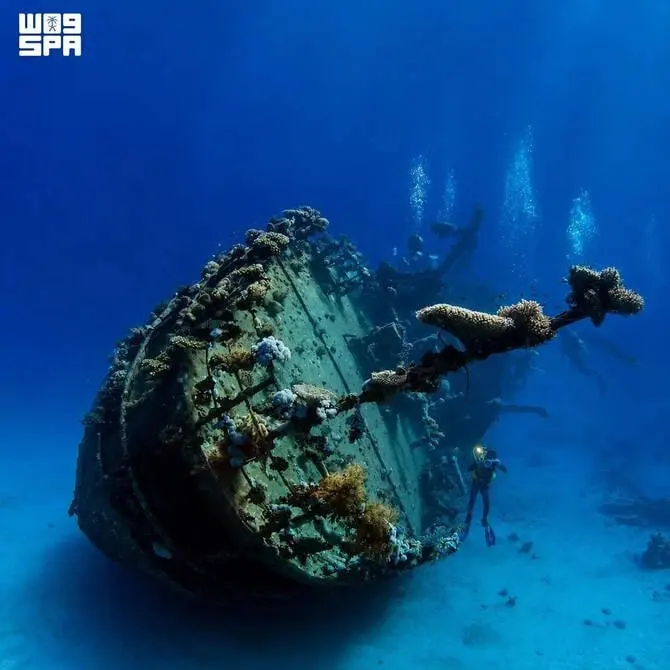
The Red Sea Museum has opened a unique exhibition of artifacts from an 18th-century trading ship that sank off the coast of Umluj. The exhibition reveals the secrets of ancient trade routes between Asia and the Red Sea.
The Discovery of the Sunken Treasure
In 2007, archaeologists discovered the remains of a trading vessel that had been hidden on the bottom of the Red Sea for over two centuries. The shipwreck occurred in the 18th-19th centuries, and since then, the ship has kept its treasures beneath layers of sand and silt. The find has become a significant event in the history of maritime archaeology in Saudi Arabia, opening new horizons for understanding the trade networks of that time. The Red Sea Museum in Jeddah decided to present these artifacts to the public by creating a thematic exhibition that allows visitors to immerse themselves in the era of great sea voyages and commercial exchanges.
Artifacts and Evidence of Trade
On board the sunken ship, archaeologists discovered high-quality Chinese porcelain, ceramics, and other items that served as evidence of intense trade exchanges. These finds indicate that the Red Sea was a strategic trade hub connecting East Asia, the Indian Ocean, and the port cities of the region. The quality and variety of the items point to the wealth of the merchants and the significance of the trade route. Each artifact tells its own story — about the craftsmanship of Chinese artisans, about journeys, about encounters between cultures that took place in those times.
From Shipwreck to Coral Reef
The exhibition is particularly interesting as it reveals the process of transformation of the sunken ship into a natural coral reef. Over the centuries, marine organisms have settled on the wreckage of the ship, creating an ecosystem that is now home to fish and other marine creatures. This process demonstrates the amazing interaction between history and nature — how human creations become part of the marine landscape and create new life. The exhibition showcases underwater photographs that captured this phenomenon, allowing visitors to see how history and modern ecology intertwine on the sea floor.
The Importance of Preserving Underwater Heritage
The exhibition serves not only as a source of knowledge but also as a call to preserve the underwater archaeological heritage of Saudi Arabia. The Red Sea hides many similar finds that could be lost due to looting, pollution, or negligence. The museum strives to draw public and governmental attention to the necessity of protecting these valuable monuments. Each artifact, each sunken ship — is a page in the book of human civilization that cannot be lost. For travelers and researchers interested in the history of the region and its cultural wealth, this exhibition becomes an important point of contact with the past.
Questions and Answers
When did the ship sink?
The ship sank in the 18th-19th centuries. The exact date of the shipwreck has been established based on the analysis of artifacts, particularly Chinese porcelain dated to this period.
Where is the Red Sea Museum located?
The museum is located in Jeddah, the largest port city in Saudi Arabia. It is one of the main institutions dedicated to the maritime history and culture of the Red Sea region.
What artifacts are on display?
The exhibition features Chinese porcelain, ceramics, household items, and trade goods from the 18th century. The exhibition also includes underwater photographs and scientific materials about the transformation of the sunken ship into a coral reef.