
Ethno-villages of Al-Baha: Tourism and Cultural Heritage
ETHNO-VILLAGES AND COOL MOUNTAIN PARKS ATTRACT TOURISTS TO AL-BAHA REGION The Al-Baha region continues to attract tourists with its historical villages, traditional stone houses, and rural guest complexes where one can get acquainted with cultural heritage and the daily life of locals. One such complex, restored by local resident Sharifa Al-Ghamdi, includes several historical houses and an exhibition of more than 450 antique items — furniture, household items, and antique currency notes. The restoration of the buildings and their transformation into a tourist site took 9 years. There are more than 194 archaeological and historical sites in the region, including 72 villages of cultural significance. In the summer, the Ragadan Forest and Prince Hussa Park are particularly popular.
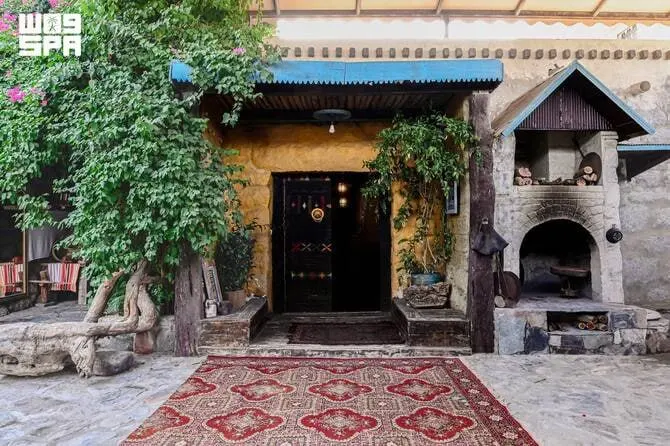
The Al-Baha region attracts tourists with its historical villages, traditional stone houses, and rural complexes where one can immerse themselves in the cultural heritage and daily life of the locals.
Restored Historical Complexes
One vivid example of tourism development is the complex restored by local resident Sharifa Al-Ghamdi. The restoration of historical buildings and their transformation into a tourist site took 9 years of meticulous work. The complex includes several authentic houses built in traditional style and contains an exhibition of more than 450 antique items — from furniture and household items to rare currency notes. Each item tells the story of everyday life in the region, allowing visitors to feel the atmosphere of past eras and understand the traditions of the local population.
Rich Cultural Heritage of the Region
Al-Baha is one of the richest regions in terms of historical and archaeological sites. There are more than 194 monuments of cultural significance here, including 72 villages with pronounced cultural value. These settlements preserve a unique architectural style with characteristic stone houses that are organically integrated into the mountainous landscape. Many villages remain vibrant communities where locals continue to uphold traditions and crafts, passing them on to new generations.
Natural Attractions and Seasonal Tourism
In addition to historical sites, the region is known for its natural beauty. In the summer, tourists enjoy visiting the Ragadan Forest and Prince Hussa Park — cool mountainous areas where one can escape the heat and enjoy the fresh mountain air. These places are popular among both locals and visiting travelers. The combination of cultural heritage and natural parks makes Al-Baha an attractive destination for tourists seeking an authentic experience and a connection with history.
Development of Rural Tourism
Rural guest complexes and ethno-villages are becoming an important part of the region's tourist infrastructure. They offer visitors the opportunity not only to see historical sites but also to immerse themselves in the cultural context, taste local cuisine, and get acquainted with the lifestyle of the locals. This format of tourism contributes to the preservation of cultural heritage and creates economic opportunities for rural communities, allowing them to develop without losing their identity.
Questions and Answers
How many historical sites are there in the Al-Baha region?
The region has more than 194 archaeological and historical sites of cultural significance, including 72 villages that represent special historical and architectural value.
What can be seen in the restored complex of Sharifa Al-Ghamdi?
The complex includes several historical houses built in traditional style and an exhibition of more than 450 antique items — furniture, household items, antique currency notes, and other artifacts reflecting the daily life of past eras.
When is the best time to visit the natural parks of Al-Baha?
In the summer, the Ragadan Forest and Prince Hussa Park are particularly popular due to the cool mountain climate, which allows for comfortable relaxation during the hot season.