
Ecosystems of Saudi Arabia: From the Red Sea to Asir
RIYADH — Saudi Arabia’s environmental wealth extends across its coastlines, mountain ranges, and valleys, creating diverse ecosystems that support biodiversity, tourism, and sustainable development. Coinciding with World Environment Day, observed annually on June 5, the Saudi Press Agency (SPA) highlighted several regions across the Kingdom to showcase their preservation of natural resources while advancing national sustainability goals. The Red Sea’s marine ecosystemStretching along more than 1,800 kilometers of Saudi coastline and covering an estimated 186,000 square kilometers, the Red Sea
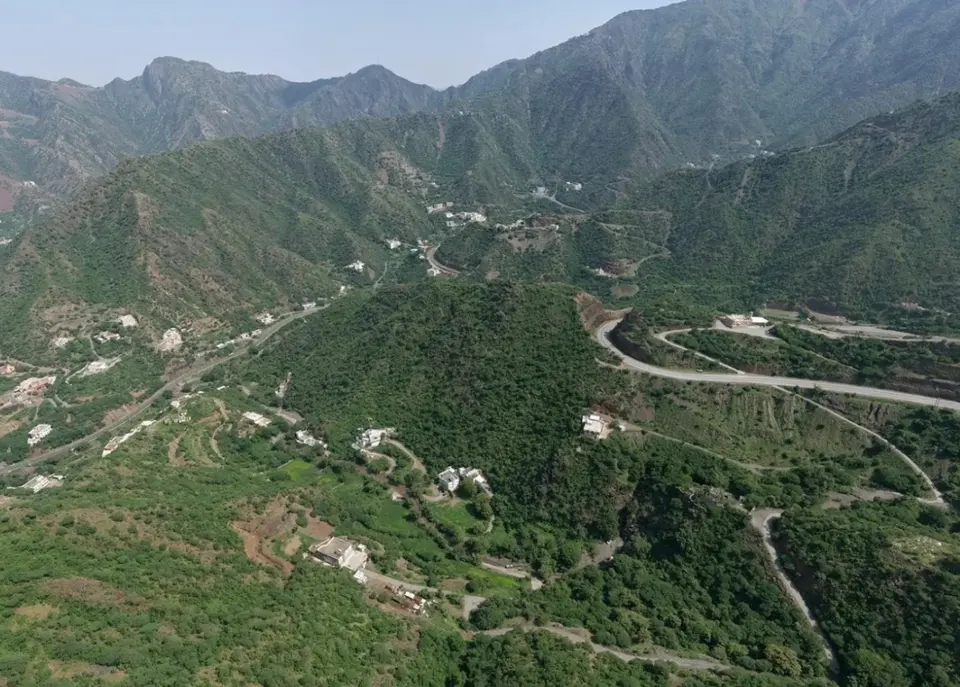
Saudi Arabia possesses a unique natural wealth: from the coral reefs of the Red Sea to the mountainous valleys of Mecca and the green highlands of Asir. The country is developing sustainable tourism, preserving biodiversity and natural resources for future generations.
Red Sea: the fourth largest coral system in the world
The Red Sea of Saudi Arabia stretches over 1,800 kilometers along the coast and covers about 186,000 square kilometers. It is one of the most sensitive and valuable marine ecosystems on the planet. Here lies the fourth largest coral reef system in the world, containing approximately 6.2% of global coral reefs. Such natural wealth makes the Red Sea a critically important asset for biodiversity and a growing center for marine tourism. The Saudi Red Sea Authority has developed the first compliance verification mechanism for environmental standards at marine tourism sites, embedding sustainability principles into development from the outset rather than applying corrective measures later.
National Red Sea Sustainability Strategy until 2030
Saudi Arabia ambitiously plans to increase the share of protected marine and coastal areas from 3% to 30% by 2030 through the implementation of 48 initiatives and five strategic goals. This program transforms sustainability from an abstract concept into a measurable practice. The combination of environmental protection with economic tourism development demonstrates that the country recognizes the need for a balance between conserving natural resources and creating opportunities for travelers to experience unique ecosystems.
Natural Parks of Mecca: Mountains, Valleys, and Oases
Mecca is famous for its wild natural parks and natural valleys, where mountainous landscapes, gorges, and diverse vegetation come together. The Al-Magmas Valley is known for its unique terrain and spacious open areas, Wadi Numan attracts with its diverse natural features, while Ain Shams offers a peaceful refuge from the urban hustle. These places not only serve as natural retreats for relaxation but also enhance the quality of life for local residents, promote environmental education, and foster respect for the natural heritage of the Kingdom. Responsible authorities continue to support these areas through afforestation programs and vegetation development initiatives.
Asir: Green Highlands and Mountain Tourism
The Asir region stands out among other areas of Saudi Arabia due to its unique geography and climate. The green-covered high plateaus create a contrasting landscape compared to the desert plains of the rest of the Kingdom. These ecosystems support specific flora and fauna adapted to mountainous conditions. The development of ecotourism in Asir allows travelers and pilgrims to experience natural diversity while generating economic benefits for local communities and motivating investments in the preservation of these unique landscapes.
Questions and Answers
What percentage of the world's coral reefs is found in the Red Sea of Saudi Arabia?
The Red Sea of Saudi Arabia contains approximately 6.2% of global coral reefs and is home to the fourth largest coral system in the world, highlighting its exceptional significance for marine biodiversity.
What measures is Saudi Arabia taking to protect marine ecosystems?
The country has developed the first compliance verification mechanism for environmental standards at marine tourism sites and is implementing a national Red Sea sustainability strategy aimed at increasing protected marine areas from 3% to 30% by 2030.
Why are the natural parks of Mecca important for tourism development?
These parks offer unique landscapes with mountains, valleys, and vegetation, serve as places for relaxation, enhance environmental education, and create opportunities for sustainable tourism that attracts travelers interested in natural attractions.