
Drones for Pilgrim Safety: A Medical Innovation of Hajj
By caring for the guests of Allah, Saudi Arabia has announced the use of drones to transport medicines and medical tests to holy sites during Hajj. 🌴 @SaudiaUAE
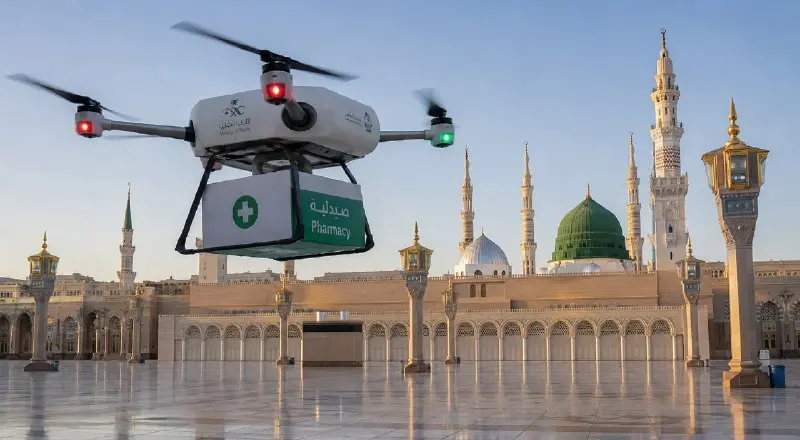
Saudi Arabia is implementing unmanned aerial vehicles to deliver medicines and medical tests to holy sites during the pilgrimage, enhancing the level of medical care for millions of believers.
A Revolution in Medical Care for Pilgrims
The Hajj is one of the largest annual gatherings of people on the planet. In 2023, over two million believers visited the holy sites, and this number remains consistently high each year. Such a concentration of pilgrims creates unique challenges for the healthcare system: it is necessary to quickly deliver medications, conduct tests, and provide emergency assistance in conditions of limited infrastructure and a hot climate. The introduction of drones is a response to these real needs. Unmanned aerial vehicles can cover large distances faster than ground transport, bypassing crowds and the complex terrain of the sacred areas.
How the Drone Delivery System Works
The technology allows for the direct delivery of necessary medications to the tents of pilgrims, medical points, and shrines without delays. Drones can deliver medicines for treating dehydration, heat strokes, and chronic diseases — pathologies that are most commonly encountered among believers during intense pilgrimage. Additionally, the system allows for the rapid transportation of samples for medical tests to the laboratory and the return of results. This is especially important when there is suspicion of infectious diseases, where time is critical. Drones operate around the clock, including at night, ensuring constant readiness for medical assistance.
The Safety and Reliability of the New Infrastructure
Saudi Arabia, understanding the sanctity and responsibility towards the guests of Allah, has developed strict safety protocols for drones. The devices are equipped with GPS navigation, collision avoidance systems, and backup control channels. All cargo, including medicines, is packed in special containers that protect against damage and maintain temperature control. The personnel managing the system have undergone special training and certification. This comprehensive approach ensures that the innovation serves people reliably and safely, without violating the sanctity and tranquility of the pilgrimage.
A Global Trend in Religious Tourism
The implementation of technology in Hajj is not just a trendy phenomenon, but a recognition that caring for the health of pilgrims is a sacred duty of the organizers. Other holy sites and pilgrimage centers around the world are beginning to consider similar solutions. Such innovations make spiritual journeys more accessible for people with chronic illnesses, elderly believers, and families with children. Technology and spirituality, often perceived as opposites, work in harmony here — one serves the other. This opens a new horizon in organizing pilgrimage, where the safety and comfort of pilgrims do not compete with the authenticity of the experience but complement it.
Frequently Asked Questions
How do drones deliver medicines to holy sites?
Drones are equipped with containers of medicines and fly along programmed routes, using GPS and navigation systems. They can land in designated areas or in the tents of pilgrims, delivering necessary medications while bypassing crowds.
What diseases are treated with the medicines delivered by drones?
The system is designed to treat the most common conditions during Hajj: dehydration, heat strokes, headaches, digestive issues, and exacerbations of chronic diseases, including diabetes and hypertension.
Does the use of drones guarantee the complete safety of medications?
Yes, drones are equipped with protective containers that maintain the required temperature and are operated by trained personnel. All systems have backup channels and comply with strict safety protocols approved by Saudi authorities.