
Digital Networks of Hajj: How 5G Transforms Pilgrimage
·5G accounted for more than 51% of total usage on the Day of Arafah with a year-on-year increase of 16% in 5G adoption.·Enhanced network performance across download speeds, latency, call completion, and operational availability. stc group, Saudi Arabia’s leading digital enabler, has successfully delivered one of the world’s most demanding digital and operational performances on the Day of Arafah.This year, stc group accommodated a historic growth in demand for digital services, while maintaining the highest levels of network stability and operational capacity amid dynamic crowd movements and p
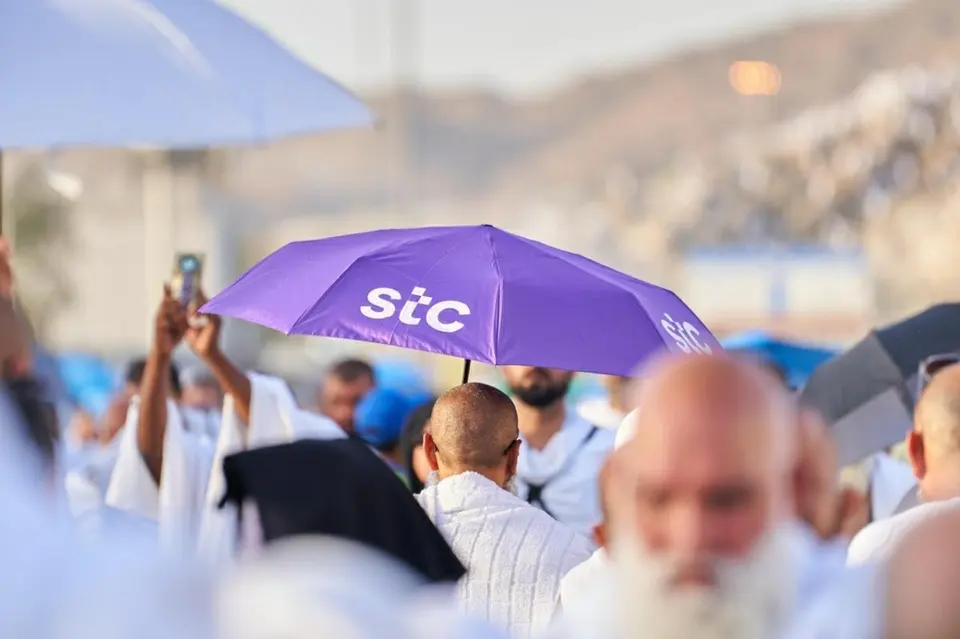
On the Day of Arafah, network technologies reached record performance. 5G accounted for over 51% of traffic with a year-on-year growth of 16%, while latency was reduced by 50%, significantly improving the experience for pilgrims.
Scale of Digital Load on Hajj
The Day of Arafah is one of the busiest days of the year for telecommunications infrastructure. Millions of pilgrims simultaneously use mobile applications, video calls, streaming, and navigation. This year, data volume increased by 42% compared to the previous season. Such growth requires not just greater bandwidth — an intelligent system is needed to anticipate needs and dynamically redistribute resources in real-time. 5G networks handled this task, accounting for more than half of all traffic and demonstrating resilience to peak loads.
Adaptive Optimization Technologies
Modern network solutions operate like a living organism, responding to changes. The dynamic optimization system tracks crowd density and movement in real-time, automatically redirecting resources to the most congested areas. Artificial intelligence predicts waves of network pressure minutes before they occur, preventing bottlenecks. Simultaneously, autonomous power and capacity optimization systems adjust network parameters based on actual usage patterns. These three layers of technology work in unison, ensuring both speed and reliability under extreme user concentration.
Results Felt by Pilgrims
The practical result of these innovations is visible in numbers that directly impact the experience of the faithful. Average download speeds increased by 13%, and latency was halved — with this, mobile navigation and communication applications work almost instantly. The success rate of call completions reached 99.83%, ensuring the ability to contact loved ones at critical moments. VoLTE calls improved by 11%, providing crystal-clear sound even in crowds. Overall network availability was 99.9%, meaning virtually no outages throughout the day. The number of complaints about service quality decreased by 13%, indicating a real improvement in user experience.
The Role of 5G in Digital Pilgrimage
5G is not just a faster version of the previous standard. This technology provides low latency, high reliability, and the ability to serve billions of devices simultaneously. On the Day of Arafah, 5G accounted for more than half of all network traffic, with an annual adoption growth of 16%. This means that more and more pilgrims are using modern devices and applications that require high bandwidth. Thanks to 5G, they can watch live broadcasts, video chat with family, use navigation systems, and Umrah applications simultaneously without degradation in quality. The technology allows pilgrimage to remain a spiritual experience rather than a struggle with technological limitations.
Automation as the Key to Scalability
Behind the scenes of this success lies the principle of automation. Artificial intelligence systems managed over 99.9% of operations automatically, allowing engineers to focus on exceptional situations. This approach not only reduces the likelihood of human error but also enables the network to respond to changes faster than is possible with manual management. A simultaneous increase in users by 8% while improving resource efficiency by 8% shows that the system is operating optimally — more people receive better service without a proportional increase in energy costs. This is a model for the future of large-scale events worldwide.
Frequently Asked Questions
Why is 5G so important for Hajj?
5G provides the low latency, high speed, and reliability necessary to simultaneously serve millions of pilgrims. It enables real-time applications, video communication, and streaming without interruptions, even under extreme crowd density.
How do networks anticipate overloads?
Artificial intelligence analyzes historical data, current crowd movement patterns, and user density. Based on this analysis, the system predicts where peak loads will occur and preemptively redistributes resources to prevent bottlenecks and quality degradation.
How does network improvement affect the experience of pilgrims?
Faster loading, lower latency, and reliable connectivity mean that pilgrims can seamlessly use navigation apps, connect with loved ones, access information, and stream events to their families while remaining focused on their spiritual experience.