
Dialysis for Pilgrims at Hajj 2026: Comprehensive Medical Support
The medical cluster in Medina has prepared a special dialysis room at the Kidney Center at King Fahd Hospital in Medina to provide medical assistance to pilgrims with kidney diseases during Hajj 2026. What does the center offer? The room is equipped with 13 dialysis machines and can perform up to 25 procedures a day. In addition to hemodialysis, the center provides: 🟢 peritoneal dialysis; 🟢 monitoring for pilgrims after kidney transplantation; 🟢 a full range of medical assistance for kidney diseases during the Hajj. 24/7 emergency assistance The hemodialysis department at King Fahd Hospital operates 24 hours a day to receive emergency cases. Pilgrims who experience complications related to their kidneys will be able to receive help without delays at any time of day. Full
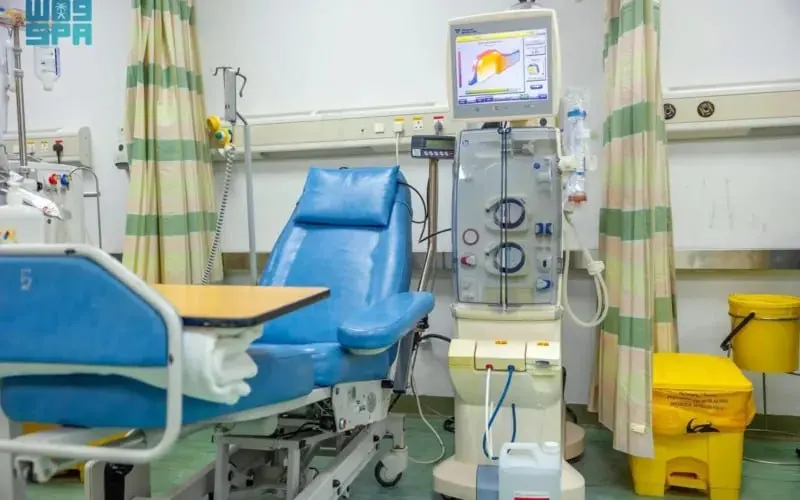
Medina is opening a specialized dialysis center at King Fahd Hospital, preparing to provide pilgrims with kidney diseases the necessary medical assistance during Hajj 2026.
What the New Dialysis Center Offers
The medical cluster in Medina has prepared a modern dialysis room equipped with 13 hemodialysis machines. The center can perform up to 25 procedures a day, allowing it to serve a significant number of pilgrims simultaneously. This solution has become a necessary response to the growing needs of pilgrims, many of whom have chronic kidney diseases requiring constant medical monitoring during their stay in Saudi Arabia.
Range of Services Provided
The center offers a comprehensive approach to treating kidney diseases. In addition to classic hemodialysis, peritoneal dialysis is available — an alternative method that is more convenient for some patients. The center's specialists also provide monitoring for pilgrims who have undergone kidney transplants, which is critically important for organ acceptance control. The full range of nephrological assistance includes diagnostics, treatment of complications, and consultations with specialists throughout the Hajj period.
24/7 Emergency Readiness
The hemodialysis department at King Fahd Hospital operates 24/7, ensuring immediate assistance in case of complications. Pilgrims facing acute kidney-related issues will receive qualified help at any time of the day without delays. This round-the-clock readiness is critically important, as complications from kidney diseases can develop rapidly and require urgent intervention from specialists.
Planning and Preparation for Hajj for People with Kidney Diseases
Pilgrims with diagnosed kidney diseases should plan their Hajj in advance, taking into account the necessary medical care. It is recommended to consult with a nephrologist before the trip, prepare the necessary documentation regarding health status and current treatment. When booking services, it is important to indicate the presence of chronic diseases so that organizers can provide the necessary support. The availability of specialized centers like the Medina dialysis room makes Hajj more accessible and safe for people with serious medical needs.
Frequently Asked Questions
Can I perform Hajj if I require regular dialysis?
Yes, with proper preparation and planning. The dialysis center in Medina is ready to accept pilgrims in need of hemodialysis. It is important to agree on the schedule of procedures in advance and inform the pilgrimage organizers about your medical needs.
What documents should I bring if I have a kidney disease?
Bring a discharge summary from your medical history, results of the latest tests (creatinine, urea), prescriptions for medications, and a nephrologist's conclusion. These documents will help the center's medical staff quickly understand your condition and prescribe the correct treatment.
Does the dialysis center operate during peak times during Hajj?
Yes, the center operates around the clock in a state of heightened readiness. Specialists work in extended shifts to serve the maximum number of pilgrims and prevent delays in receiving critically important assistance.