
Desalination of Water in Saudi Arabia: Technology of the Future
SAUDI ARABIA TESTS NEW TECHNOLOGY TO REDUCE DESALINATION COSTS Saudi scientists are researching special hydrogel coatings that can make seawater desalination more efficient. The new material protects membranes from contamination, bacteria, and salt deposits, allowing for reduced electricity consumption, lower maintenance costs, and increased equipment lifespan without building new desalination plants. Today, Saudi Arabia is the largest producer of desalinated water in the world, with a total capacity of about 11.1 million cubic meters of water per day. Experts believe that the implementation of the new technology will help improve the efficiency of the industry and strengthen the country's water security.
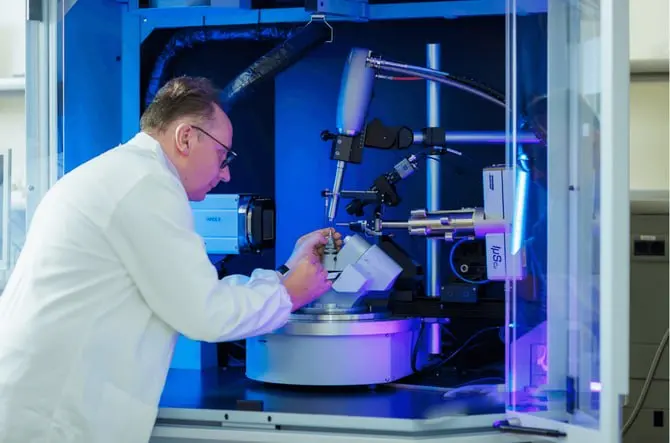
Saudi scientists have developed hydrogel coatings that enhance the efficiency of seawater desalination, reduce electricity costs, and extend the lifespan of equipment without new capital investments.
The Water Supply Problem in Arid Regions
Saudi Arabia is located in one of the driest climate zones on the planet. Natural sources of fresh water are extremely limited here, and the demand for water is constantly growing due to urban expansion, agricultural development, and tourism. The country has long relied on seawater desalination as its primary source of fresh water. Today, Saudi Arabia is the largest producer of desalinated water in the world, with a total capacity of about 11.1 million cubic meters per day. However, traditional desalination methods require enormous electricity costs and regular maintenance, making the process expensive.
Innovative Solution: Hydrogel Coatings
Researchers from Saudi Arabia have proposed a fundamentally new approach — the use of special hydrogel materials on the surfaces of desalination membranes. These coatings act as a protective barrier, preventing the accumulation of salts, bacteria, and organic contaminants on the membranes. The main advantage: when the membranes remain clean, they operate at maximum efficiency, requiring less electricity to pass water. Additionally, the frequency of cleaning and replacing membranes is reduced, significantly cutting maintenance costs and extending the equipment's lifecycle.
Economic and Environmental Impact
The implementation of hydrogel coatings will allow Saudi Arabia to significantly reduce the cost of desalinated water without building new plants. This is particularly important as desalination requires a huge amount of electricity — producing one cubic meter of fresh water consumes a significant portion of the national energy budget. Increasing the efficiency of existing facilities means the country will be able to meet growing demand while simultaneously reducing energy consumption and carbon emissions. For the economy, this means lower water prices for both the population and industry.
Importance for Water Security and Tourism
The technology strengthens the country's water security in a strategic sense. Reliable and cost-effective desalination allows Saudi Arabia to guarantee stable water supply for all sectors of the economy, including the growing tourism sector. Pilgrimage tourism and travel require a significant amount of fresh water to service guests, hotels, and holy sites. As desalination technology becomes more efficient and accessible, it directly impacts the quality of services for millions of visitors, ensuring them reliable access to clean water in a hot climate.
Frequently Asked Questions
How do hydrogel coatings protect membranes?
The hydrogel material creates a smooth surface that prevents the adhesion of salts, bacteria, and organic particles. This reduces membrane contamination and allows them to operate longer without cleaning.
By what percentage will desalination costs decrease?
The exact percentage of savings will be known after the full implementation of the technology, but experts expect a significant reduction in electricity and maintenance costs due to increased membrane efficiency and reduced replacement frequency.
When will this technology be available in practice?
Currently, testing of the new technology is underway. After successful testing and obtaining the necessary certifications, it will begin to be implemented at desalination plants in Saudi Arabia in the coming years.