
Cooling Engineering Systems at the Holy Sites of Hajj
MINA— As more than 1.5 million pilgrims from all around the world gather in Makkah for the upcoming annual pilgrimage amid rising temperatures, successful organization of a hassle-free Hajj extends far beyond logistics and traffic control. What appears to observers as simple open walkways is, in reality, a meticulously engineered environment designed to mitigate the sun's impact and alleviate heat stress on pilgrims.In recent years, expansive shading and cooling projects have become an essential pillar of the infrastructure at the holy sites. At the forefront of these efforts are extensive pat
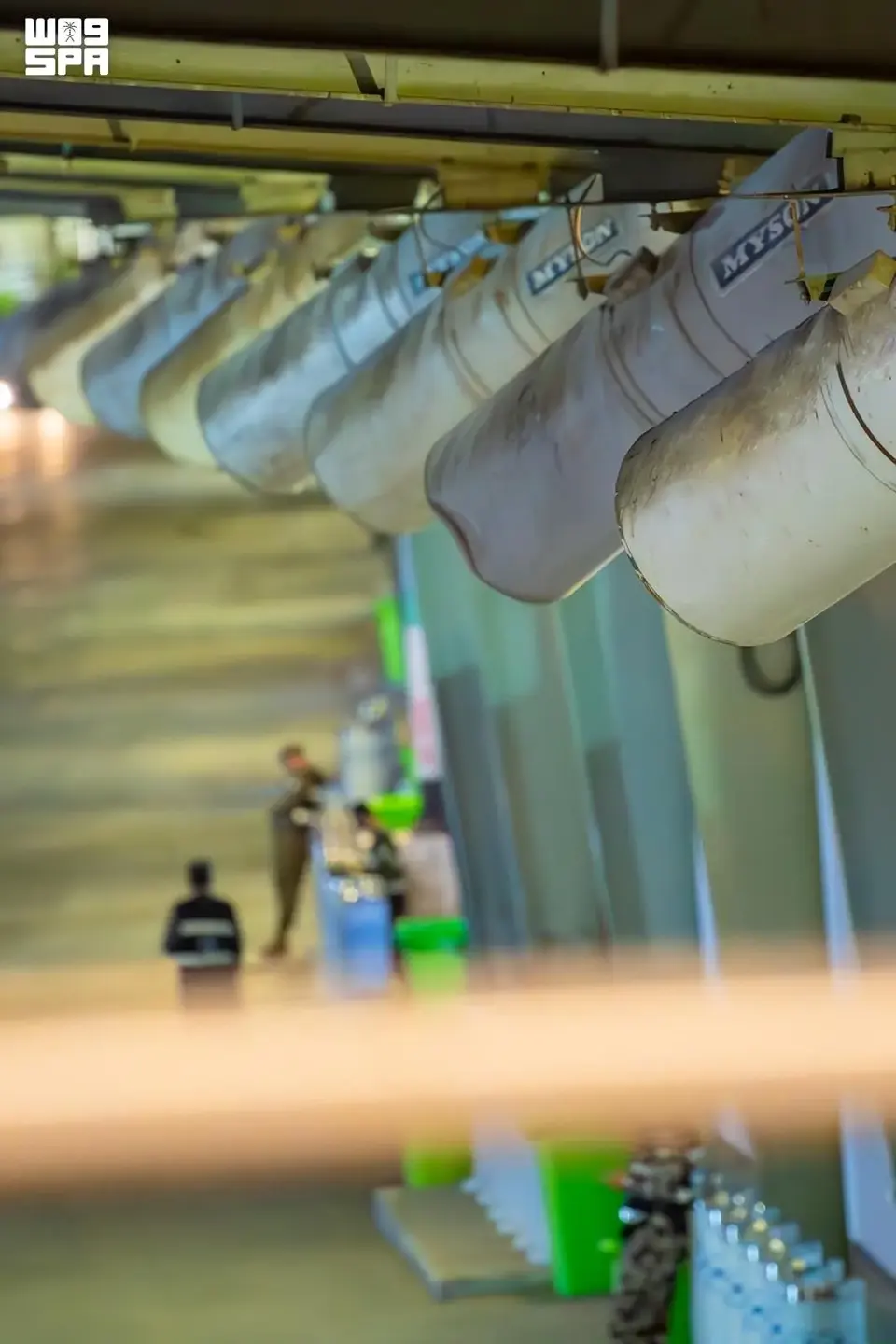
More than 1.5 million pilgrims from around the world gather in Makkah for the annual Hajj. The specially designed infrastructure protects them from the scorching sun and heat stress.
Awnings and Shading Systems: An Engineering Marvel
The successful organization of Hajj goes far beyond logistics and traffic control. What may seem like simple open walkways is actually a meticulously designed environment aimed at reducing sun exposure and alleviating heat stress for pilgrims. In recent years, large-scale shading and cooling projects have become an integral part of the infrastructure at the holy sites. Extensive networks of modern awnings now cover the main pedestrian routes between the holy sites, significantly reducing direct solar radiation and minimizing physical fatigue.
Innovative Materials and Reflective Surfaces
The infrastructure is enhanced by the installation of specialized heat-reflective flooring materials that sharply reduce surface temperatures during peak hours compared to traditional coverings. Shaded rest stations have been significantly expanded, providing safe and comfortable places for pilgrims to refresh themselves before continuing their rituals. These materials are specifically designed to remain cool even in the extreme temperatures of the desert climate.
Advanced Air Cooling Systems
Saudi Arabia's strategy for mitigating climatic conditions goes beyond physical shading. Advanced high-pressure misting networks and strategically expanded vegetation cover are actively used in the busiest areas to lower ambient air temperatures and improve air quality. These systems operate automatically, responding to temperature fluctuations throughout the day, ensuring optimal conditions for millions of pilgrims.
From Logistics to a Human-Centric Approach
Integrated engineering solutions reflect a paradigm shift in crowd management during Hajj. Evolving from a purely logistical approach to a deeply human-centered method, the physical environment of the holy sites has transformed into a supportive infrastructure. This ensures that pilgrims can perform their rituals in maximum safety and comfort, regardless of external climatic conditions.
Frequently Asked Questions
How do awnings help pilgrims during Hajj?
Modern awnings cover the main pedestrian routes between the holy sites, significantly reducing direct solar radiation. This minimizes physical fatigue and allows pilgrims to perform their rituals more safely throughout the day.
What materials are used for cooling surfaces?
Specialized heat-reflective flooring materials sharply reduce surface temperatures during peak hours. They are designed to reflect solar heat and remain cool even in the extreme temperatures of the desert climate.
How do misting systems work at the holy sites?
Advanced high-pressure networks spray a fine mist in the busiest areas, lowering ambient air temperatures and improving air quality. The systems operate automatically, responding to temperature changes throughout the day.