
Automated Slaughterhouse in Mecca for Hajj 2026
The Saudi sacrifice project in Mecca is ready for the full scale of Hajj 2026. This facility, dubbed the world's largest automated slaughterhouse in terms of technology and staff, has already received orders for 800,000 sacrifices ahead of the pilgrimage season. How the complex works? The project operates on 10 sites and employs 25,000 staff, including 17,000 experienced butchers. Each animal undergoes inspection before slaughter to confirm compliance with Sharia requirements regarding age and veterinary control. Any carcass weighing less than 9 kg is excluded from the process after slaughter. After slaughter, carcasses are processed through automated cleaning lines and packaged in boxes of 2.5 kg. The complex has a central refrigerated warehouse
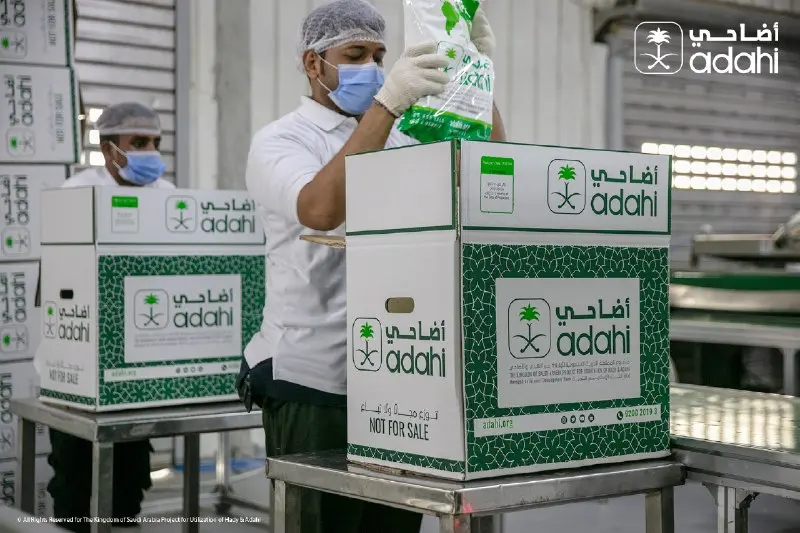
Saudi Arabia has launched the world's largest automated complex for animal slaughter, ready for the massive pilgrimage season of 2026 with a capacity of 800,000 sacrifices.
Scale and Infrastructure of the Project
The sacrifice complex in Mecca represents an unprecedented engineering solution, covering 10 sites with a total staff of 25,000 people. Among them are 17,000 experienced butchers who have undergone special training. Even at the preliminary ordering stage, the project received requests for 800,000 sacrifices, indicating the infrastructure's readiness for peak loads during the Hajj season. Such scale allows for efficient service to the millions of pilgrims arriving in the holy city each year.
Technology and Quality Control
Each animal undergoes a multi-level inspection before slaughter to confirm compliance with Sharia requirements regarding age and physical condition. A veterinary inspection is mandatory, excluding any deviations from standards. After slaughter, carcasses are processed on automated cleaning lines — modern equipment performs the work with precision and hygiene unattainable through manual processing. Any carcass weighing less than 9 kilograms is excluded from further processing. The finished product is packaged in boxes of 2.5 kg, facilitating distribution and storage.
Logistics and Storage
The complex is equipped with a central refrigerated warehouse, ensuring the preservation of products in hot climate conditions. The modern refrigeration system maintains optimal temperature for long-term meat storage, which is critical for coordinating the distribution of meat to numerous charitable organizations and those in need. Such logistical infrastructure guarantees that every donation reaches its recipient in proper condition, aligning with the spiritual and practical goals of the ritual.
Significance for Modern Pilgrimage
The introduction of automation in the sacrifice process demonstrates how traditional religious rituals adapt to the realities of the 21st century. Technology does not replace the spiritual meaning of the ritual but enhances its efficiency and safety for all participants. Improved hygiene, quality control, and processing speed allow for handling an unprecedented number of pilgrims without compromising their experience. For travelers planning a pilgrimage to Mecca, such innovations provide peace of mind and confidence that all aspects of Hajj are organized at a world-class level.
Frequently Asked Questions
Why is such a large automated system needed?
Every year, more than two million pilgrims perform Hajj, and each has the right to carry out the sacrifice ritual. Manual processing of such a large number of animals would be impossible within the established timeframes, so modern automation is the only way to serve all pilgrims with dignity.
How does the system comply with Islamic requirements?
Each animal undergoes veterinary inspection and age control according to Islamic rules. Slaughter is performed according to Sharia, and the products are packaged in accordance with all hygiene and religious standards. Technology serves as a tool to enhance the accuracy of ritual compliance.
Where is the meat from the sacrifices distributed?
The meat is distributed by charitable organizations among low-income families in Saudi Arabia and beyond. Part is directed to distribution points for those in need, and part is exported to developing countries as humanitarian aid.