
The Ritual of Throwing Stones: Essence and Significance in Pilgrimage
Hajj pilgrims continued performing the ritual of stoning at Jamarat on the first day of the Tashreeq (Ayyam Al-Tashreeq) on Thursday.
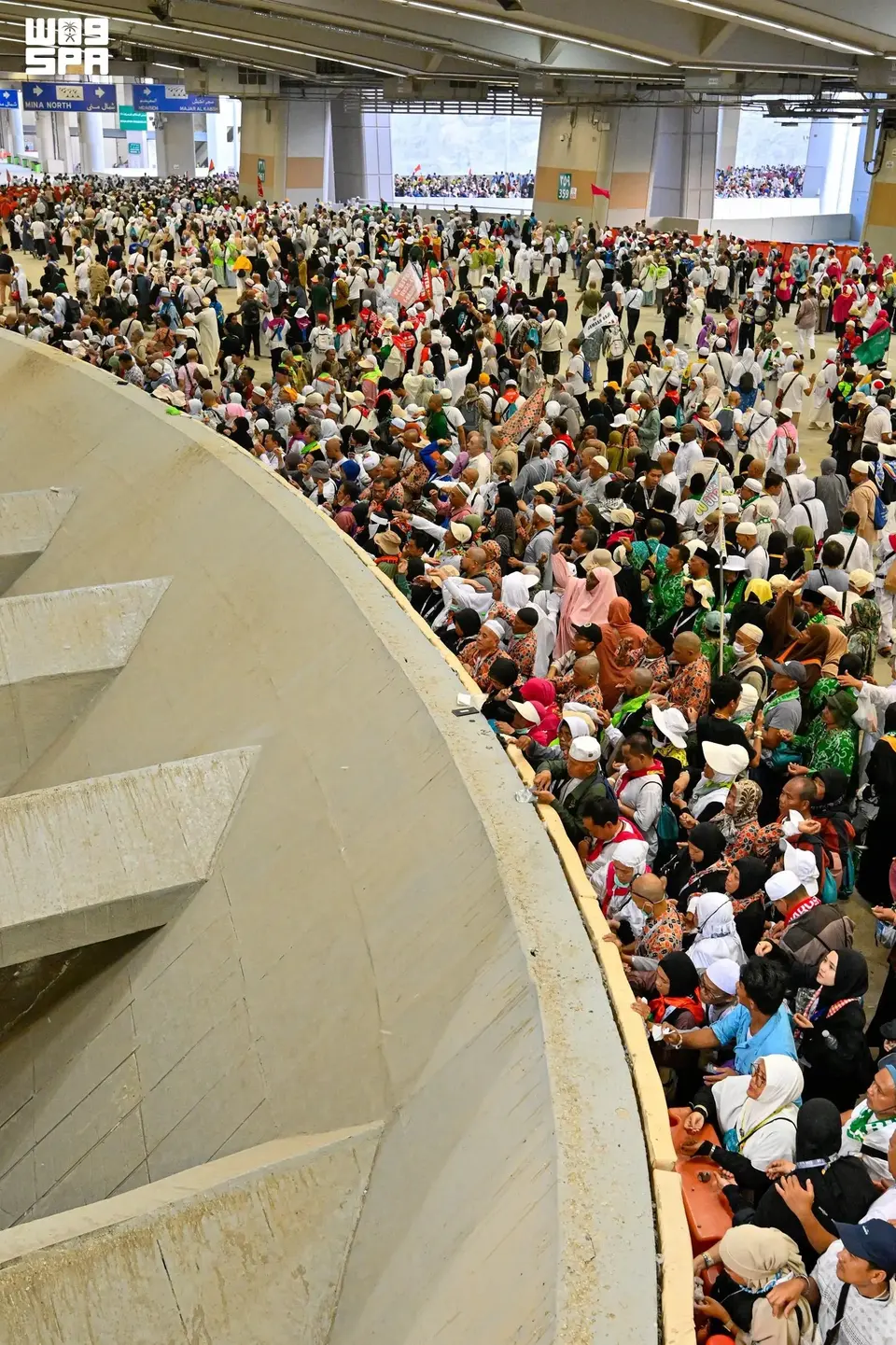
Throwing stones at Jamarat is one of the most important and symbolic rituals of Hajj. During Tashreeq, pilgrims perform this ritual, reflecting spiritual struggle and repentance.
What is Tashreeq and the Ritual of Throwing Stones
Tashreeq (Ayyam Al-Tashreeq) refers to the 11th, 12th, and 13th days of Dhul-Hijjah, when pilgrims perform one of the key rituals of Hajj. Throwing stones at Jamarat (three pillars) symbolizes the rejection of evil and temptations. Pilgrims throw seven pebbles at each of the three pillars in a specific order: first at Jamarat Al-Sughra (the small pillar), then at Jamarat Al-Wusta (the middle), and finally at Jamarat Al-Aqaba (the large pillar). This ritual is repeated over several days and requires a deep understanding of its spiritual meaning.
Organization and Safety at Jamarat
Modern infrastructure solutions have transformed the ritual into a safe and organized process. The multi-level Jamarat bridge allows for the distribution of the flow of pilgrims to avoid crowding and ensure comfort. Pedestrian walkways connect the Jamarat complex with the Mashair metro and the tent cities of Mina. Pilgrims move in organized groups at their designated times, ensuring a smooth flow of the ritual. Coordination between various governing bodies and constant monitoring on-site guarantee safety and tranquility during the performance of the ritual.
Spiritual Meaning and Preparation for the Ritual
Throwing stones is not just a physical act, but a profound spiritual experience. Pilgrims utter “Allahu Akbar” (God is great), experiencing a moment of unity with millions of believers. Before the ritual, it is important to understand its historical significance: according to Islamic tradition, the prophet Ibrahim performed this ritual in obedience to God. Modern pilgrims follow his example, feeling a sense of belonging to a centuries-old tradition. After throwing at the first two pillars, pilgrims pray, and after the third, they quickly leave, following the Sunnah of the prophet Muhammad.
Time in Mina After the Ritual
After performing the ritual of throwing stones, pilgrims return to their tent camps in Mina. They dedicate this time to the remembrance of God, reading the Quran, and prayers. Those who wish to complete their pilgrimage earlier can leave Mina after the fifth day of Hajj (Friday), having performed the throwing ritual. Other pilgrims stay until the sixth day (Saturday), completing the full three-day cycle of Tashreeq. This is a time for reflection and spiritual renewal before returning home.
Frequently Asked Questions
How many stones need to be thrown at each pillar?
Seven pebbles are thrown at each of the three Jamarat. A total of 21 stones are used in one day of the ritual. This order is maintained throughout all days of Tashreeq.
What is the correct order for throwing stones?
First, pilgrims throw stones at Jamarat Al-Sughra (the small pillar), then at Jamarat Al-Wusta (the middle), and finally at Jamarat Al-Aqaba (the large pillar). After the first two throws, they perform a prayer, and after the third, they quickly leave.
How many days does the ritual of throwing stones last?
The ritual of throwing stones is performed over the three days of Tashreeq. Pilgrims can complete their pilgrimage after the second day or stay and perform the ritual fully over all three days, depending on their choice.