
The Heritage Commission Discovered 1,774 Artifacts in Medina
RIYADH — The Heritage Commission has concluded the second season of archaeological survey work in Al-Mahd governorate in the Madinah region. During the survey work, it has documented 1,774 archaeological discoveries across three survey areas, namely Al-Suwayriqiyah, Al-Muwayhiyah, and Hadhah. The survey recorded 156 new archaeological sites, yielding 461 Islamic inscriptions, 34 Thamudic inscriptions, 1,259 rock art panels, 11 stone structures, three historical palaces, two caravan routes, and four wells. Among the most notable finds are rock inscriptions bearing the name of the second Islamic
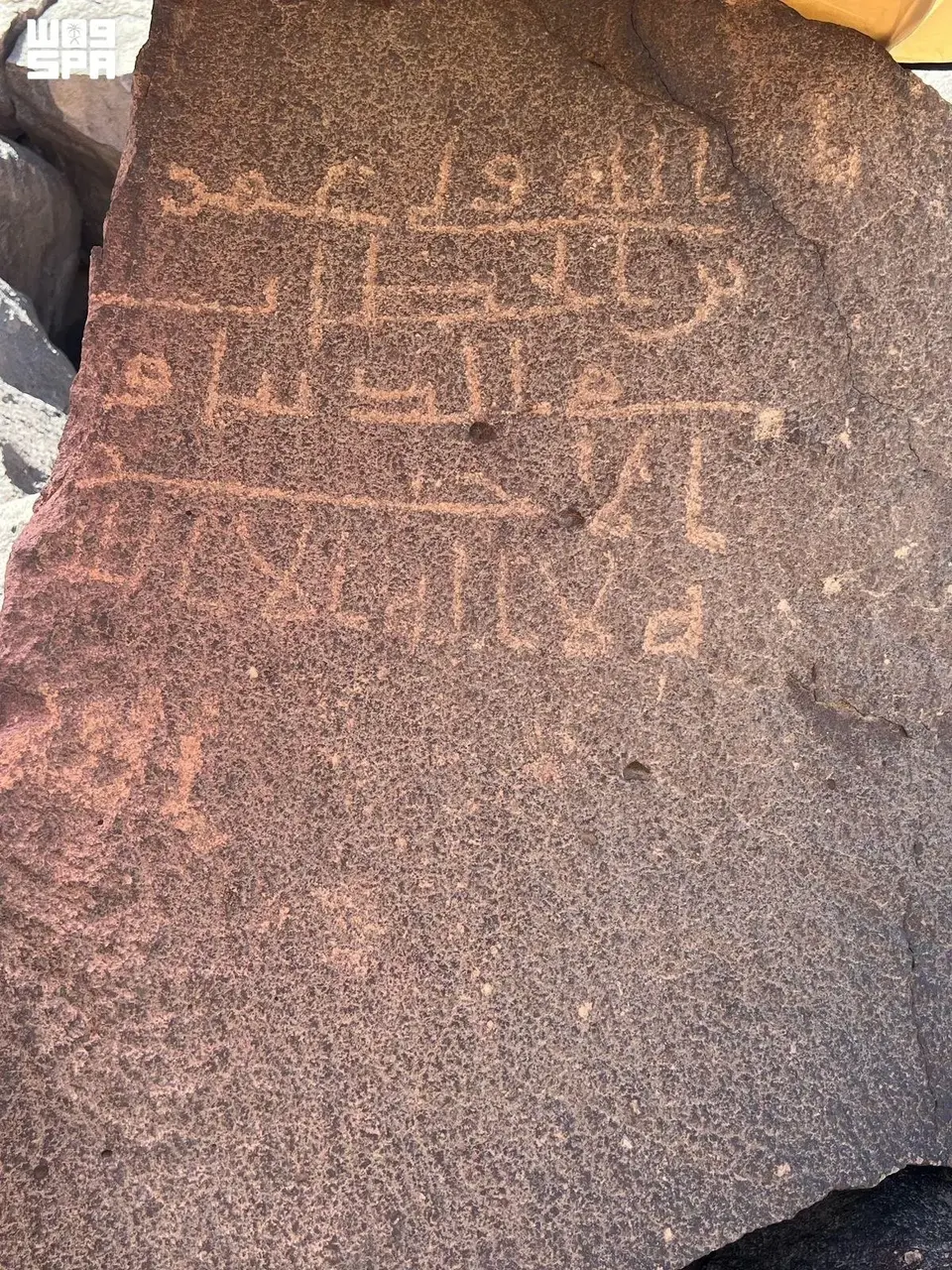
The second seasonal expedition of the Heritage Commission in the Al-Mahd province revealed 156 new archaeological sites, including Islamic inscriptions, rock art, and historical palaces, confirming the rich cultural history of the region.
Major Archaeological Discovery in Al-Mahd Province
The Heritage Commission has completed its second seasonal expedition surveying the Al-Mahd province in the Madinah region. During the work, researchers documented 1,774 archaeological finds across three survey areas: Al-Suwayriqiyah, Al-Muwayhiyah, and Hadhah. This extensive research unveils new aspects of the history of the Arabian Peninsula and attests to the ancient civilizations that inhabited these territories for centuries.
What Archaeologists Discovered
Among the 156 new archaeological sites, scientists identified 461 Islamic inscriptions, 34 Thamudic inscriptions, and 1,259 rock art panels. They also found 11 stone structures, three historical palaces, two caravan routes, and four wells. Of particular value are the rock inscriptions bearing the name of the second Islamic caliph Umar ibn al-Khattab and fragments of ancient Arabic poetry engraved on stone cliffs, significantly enhancing the historical importance of the discovered monuments.
Connection to Saudi Arabia's Development Vision
The Commission confirmed its commitment to continuing survey and documentation programs across the country in support of the national initiative "Vision 2030." These ambitious plans aim to preserve the cultural heritage of the Kingdom and develop the tourism potential of historical regions. Systematic work on studying and cataloging artifacts contributes not only to scientific progress but also to drawing attention to the rich history of Saudi Arabia at both national and international levels.
The Significance of the Finds for Tourism and Education
Documenting such a large number of artifacts opens new opportunities for developing cultural tourism in the Madinah region. Tourists and pilgrims have the chance to learn about ancient history while immersing themselves in the authentic atmosphere of historical sites. Such discoveries contribute to a deeper understanding of Islamic heritage and pre-Islamic civilizations of Arabia, making travel not only a spiritual experience but also an educational adventure.
Frequently Asked Questions
What types of artifacts were found during the expedition?
Scientists discovered Islamic and Thamudic inscriptions, rock art panels, stone structures, palaces, ancient caravan routes, and wells. Among them, inscriptions bearing the name of Caliph Umar ibn al-Khattab and fragments of ancient poetry are particularly valuable.
How many new archaeological sites were identified?
The expedition documented 156 new archaeological sites across three survey areas. A total of 1,774 finds of various types and periods were recorded for the season, covering both Islamic and pre-Islamic history.
What role do these discoveries play in the region's development?
The finds contribute to achieving the goals of "Vision 2030" for preserving cultural heritage and developing tourism. They allow for the expansion of cultural and educational programs for pilgrims and tourists visiting Madinah and surrounding regions.