
The Golden Plate of the Kaaba: A 300-Year-Old Artifact
🕋 A GOLDEN PLATE FROM THE DOOR OF THE KAABA, INSTALLED OVER 300 YEARS AGO, IS PRESERVED IN MECCA. The Exhibition Complex of the Two Holy Mosques showcases this rare historical artifact that adorned the upper part of the Sacred Kaaba's door for over three centuries. Dated 1707, it consists of six interconnected gold elements with verses from the Holy Quran engraved in exquisite Arabic calligraphy. The exhibit allows visitors to connect with the history of the Kaaba and see examples of Islamic art from past centuries, while also introducing guests to the history of care for the Sacred Mosque in Mecca and the Prophet's Mosque in Medina through rare artifacts, architectural elements, historical photographs, and manuscripts.
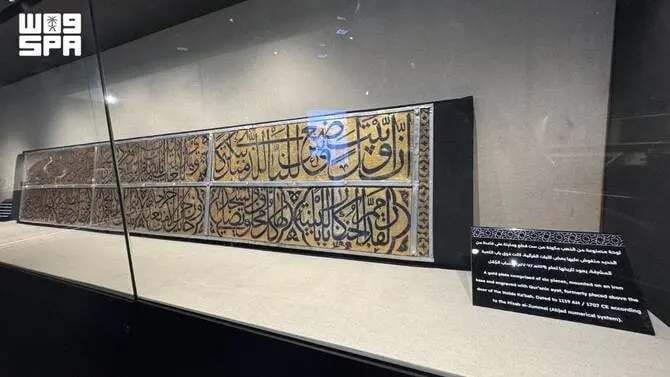
A rare historical find has been unveiled in Mecca — a golden plate from the door of the Sacred Kaaba, dated 1707. This exhibit adorned the sanctuary for over three centuries and is now available for pilgrims to study.
The History of the Artifact and Its Significance
The golden plate, displayed in the Exhibition Complex of the Two Holy Mosques, represents a unique testament to Islamic craftsmanship of the 18th century. Dated 1707, it consists of six interconnected gold elements secured to an iron base. For over three hundred years, this plate adorned the upper part of the door of the Sacred Kaaba, witnessing millions of pilgrimages and prayers. Its preservation to this day is the result of careful maintenance and respect for Islamic sanctities shown by generations of caretakers of the Mosque.
The Mastery of Islamic Calligraphy on Gold
The surface of the plate is engraved with verses from the Holy Quran, executed in exquisite Arabic calligraphy. Each stroke reflects the highest level of craftsmanship of artisans from that era, who combined deep faith with technical perfection. Calligraphic works on gold required not only artistic vision but also practical knowledge of materials, tools, and methods for processing precious metals. This artifact illustrates how Islamic art transformed functional elements of architecture into works of spiritual significance.
The Exhibition Complex as a Repository of Memory
The Exhibition Complex of the Two Holy Mosques serves not just as a museum but as a living archive of the history of care for the two holiest places in Islam — the Sacred Mosque in Mecca and the Prophet's Mosque in Medina. In addition to the golden plate, visitors can see architectural elements from various eras, rare artifacts, historical photographs, and manuscripts that tell the story of the transformation of these sanctuaries over the centuries. Each exhibit is a page in history that helps pilgrims gain a deeper understanding of the spiritual heritage they have come to honor.
Significance for Modern Pilgrims
For millions of Muslims undertaking Hajj or Umrah, the opportunity to connect with historical artifacts that adorned the sanctuaries becomes a deeply personal experience. The golden plate serves as a reminder of the continuity of faith, that modern pilgrims are part of an unbroken chain of believers stretching across the centuries. Such exhibitions enrich the pilgrimage, transforming it from a purely religious act into a cultural and historical journey, where each artifact becomes a teacher, sharing the wisdom and devotion of ancestors.
Frequently Asked Questions
When was the golden plate installed on the Kaaba?
The plate was installed in 1707 and adorned the upper part of the door of the Sacred Kaaba for over three hundred years until it was moved to the exhibition complex for preservation and study.
How many elements does the plate consist of?
The golden plate consists of six interconnected gold elements secured to an iron base, ensuring its strength and durability.
Where can the golden plate be seen?
The artifact is displayed in the Exhibition Complex of the Two Holy Mosques in Mecca, where other rare historical items, photographs, and documents telling the history of the sanctuaries are also presented.