
Hajj in Safety: How Saudi Arabia Protects Pilgrims
Saudi authorities announced the arrival of over 1.5 million pilgrims and dismantled 217 fake Hajj campaigns while stressing that Hajj will not be exploited for political purposes.
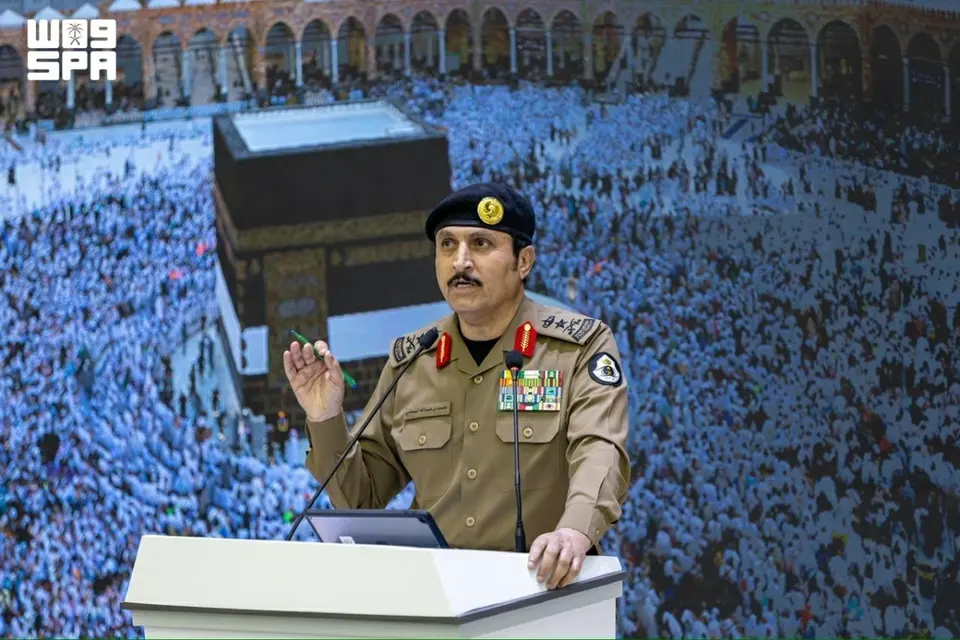
Saudi Arabia has strengthened security control for the 2026 Hajj, welcoming over 1.5 million pilgrims and dismantling 217 fraudulent campaigns. Learn how modern technologies protect the sacred pilgrimage from exploitation and violations.
Record Influx of Pilgrims and Security Measures
For the Hajj of 1447 in the Islamic calendar, over 1.5 million pilgrims arrived from abroad. Saudi authorities announced the full readiness of the security system for the large-scale event, which requires coordination of numerous services and modern technologies. The Director of Public Security, Mohammed Al-Bassami, emphasized the main goal: every pilgrim must safely reach the holy sites, perform the rituals, and return home. Special forces have been deployed at key locations — the Namira Mosque, Mount Rahma, and the Jamaraat complex, where crowd movement is regulated and order is maintained.
Combatting Fraudulent Campaigns and Violators
Saudi authorities have uncovered and shut down 217 fake organizations offering Hajj services. Additionally, border guards and security forces filtered out 7,733 violators of immigration and labor laws attempting to illegally enter Mecca. At the entry points to the city, 366,000 unauthorized individuals were denied access, and thousands of vehicles used for smuggling violators were intercepted. These figures indicate the scale of the problem and the determination of the authorities to protect the sanctity of Hajj from commercial exploitation and political manipulation.
Technologies and Artificial Intelligence Guarding the Pilgrimage
Saudi security agencies have implemented advanced AI-based monitoring systems to track risks and respond quickly to emergencies. The Civil Defense Authority has strengthened preventive security measures by integrating modern technologies into all aspects of Hajj organization. The systems work in parallel with security personnel to enforce regulations, identify fraudsters and violators. This comprehensive approach allows for effective crowd management, minimizing route overlaps and distributing pilgrim density, thereby reducing the risks of crowd crushes and accidents.
Improving Safety Metrics Year by Year
Compared to the previous year, there has been significant progress: the number of violators and deported individuals has decreased by 44%, the number of fake Hajj campaigns has decreased by 12%, and violations of immigration and border norms have decreased by 33%. These figures show that comprehensive measures are working: compliance with regulations is improving, crime is decreasing, and pilgrims' trust in the organization of the process is increasing. Saudi authorities emphasize that Hajj is a spiritual journey that should not be a tool for political or commercial pressure.
Frequently Asked Questions
How to distinguish an official Hajj operator from a fraudster?
Check the license with the Saudi tourism authorities, demand transparent contracts detailing all services and prices, and verify the company's registration. Avoid offers promising incredibly low prices or political and social benefits — these are signs of fraud.
What documents are needed for Hajj besides a visa?
The following are required: a valid passport, Hajj visa, meningitis vaccination (mandatory), COVID-19 vaccination certificate, health insurance, and tickets. All documents must be issued by official authorities and recognized by Saudi Arabia.
How do authorities protect pilgrims from crowds and crushes?
Real-time monitoring systems are used, movement flows are controlled at key sites, security teams are deployed, and crowd density distribution algorithms are implemented. Technologies help prevent critical situations before they arise.