
Green Carpets of the Al-Haram Mosque: A Symbol of Renewal
Previously, the carpets in the Al-Haram Mosque were red; now they are green. 🌴 @SaudiaUAE
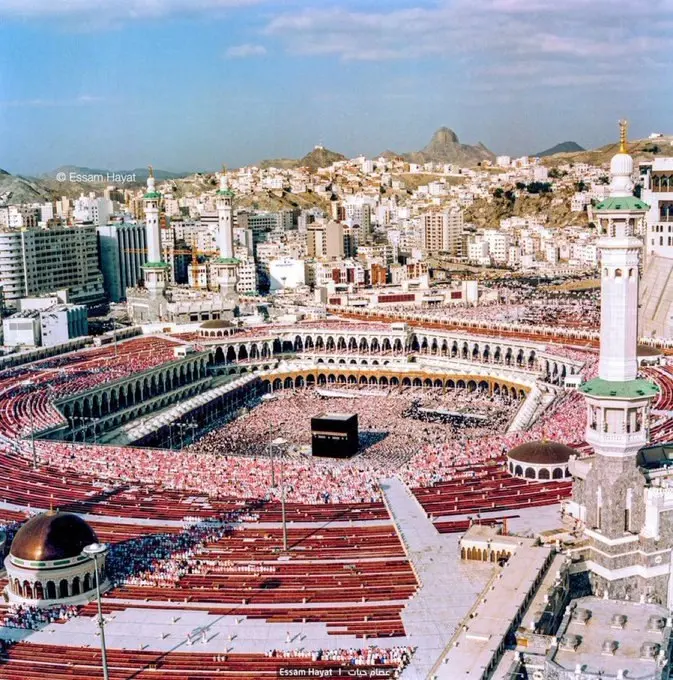
The Al-Haram Mosque in Mecca has changed the iconic red color of its carpets to green. This change carries deep symbolic meaning and reflects the evolution of this sacred place of pilgrimage.
History of the Red Carpets
For decades, the red carpets have been the visual identity of the main sanctuary of Islam. Their rich color created an atmosphere of grandeur and solemnity, welcoming millions of pilgrims from around the world. The red color was associated with devotion and spiritual energy, becoming an integral part of the memory of everyone who performed Hajj or Umrah. It was not just a practical detail, but a symbol etched in the hearts of the faithful.
Transition to Green
The decision to replace the red carpets with green ones is a significant event in the history of the Al-Haram Mosque. The green color holds special significance in Islamic tradition, symbolizing hope, renewal, and nature. This color is mentioned in sacred texts and is often associated with paradise. The renewal of the carpets reflects a desire to modernize the sanctuary while preserving its spiritual essence. The new carpets create an impression of freshness and solemnity, marking the beginning of a new chapter in the history of pilgrimage.
Symbolism and Spiritual Significance
For pilgrims, this change is not just an aesthetic update. The green color serves as a reminder of the connection to God's creation and symbolizes the revival of faith. Many believers perceive this as a sign of renewal in their spiritual journey. Each pilgrim, touching these green carpets, feels a connection to a tradition that continues to evolve and adapt to modernity. This shows that the sanctuary remains a living, breathing part of faith, rather than a relic frozen in time.
Practical Significance for Pilgrims
The change of carpets signifies ongoing care for the conditions of pilgrimage. The new carpets provide comfort and safety for millions of believers performing rituals. They serve as protection from the cold floor, maintain hygiene, and create a dignified space for prayer. The renewal of the sanctuary's infrastructure is a manifestation of respect for pilgrims and their spiritual experience. The green carpets, being more practical and durable, also reflect investments in the long-term development of the sanctuary.
Frequently Asked Questions
When and why were the red carpets replaced with green ones?
The replacement occurred as part of the modernization of the Al-Haram Mosque. The green color was chosen as a symbol of renewal, hope, and connection to Islamic tradition, where this color holds special spiritual significance and is often associated with paradise.
What significance does the green color have in Islam?
The green color occupies an important place in Islamic culture, symbolizing nature, life, hope, and paradise. It is mentioned in sacred texts and is considered a color associated with the blessing and spiritual revival of believers.
How did pilgrims perceive this change?
The majority of pilgrims received the replacement positively, seeing it as a symbol of renewal of faith and care for the development of the sanctuary. The new carpets create a sense of freshness and solemnity, enhancing the spiritual experience of pilgrimage.