
El Niño in 2026: Rising Temperatures and Precipitation in Saudi Arabia
JEDDAH — The Regional Center for Climate Change (RCCC) released the latest climate indicators associated with El Niño, suggesting rises in temperatures above normal levels in the coming months. Issued by the National Center for Meteorology (NCM) and RCCC, the forecasts indicate climate impacts on the Kingdom during the fall of 2026, including a rise in temperatures above normal levels and an increase in rainfall chances in some areas. The current status of El Niño — the warm phase of the El Niño-Southern Oscillation (ENSO) — is neutral. As of May 5, 2026, the Niño 3.4 stood at 0.39°C, while th
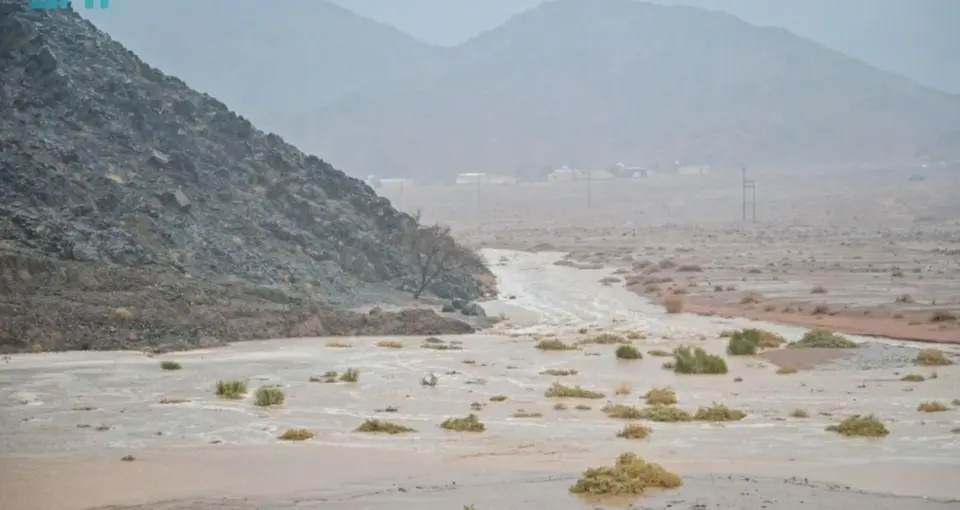
The Regional Center for Climate Change predicts above-normal temperature increases and a higher likelihood of precipitation in the Kingdom in the fall of 2026.
What is El Niño and Why is it Important
El Niño is the warm phase of the El Niño-Southern Oscillation (ENSO), a natural climate phenomenon that affects weather conditions worldwide. The Regional Center for Climate Change (RCCC) and the National Center of Meteorology (NCM) of Saudi Arabia monitor the development of this phenomenon to provide accurate forecasts to the population. As of May 2026, the Niño 3.4 index was 0.39°C, remaining in the neutral range. However, experts warn of an increased likelihood of El Niño conditions developing from May to October.
Temperature Forecast for Fall 2026
According to forecasts, temperature anomalies are expected to rise significantly during the summer and fall. In June, temperatures are expected to exceed 1.4°C, in July to surpass 1.8°C, and by October to reach 2.8°C above normal. The summer and fall months will be noticeably warmer than usual, while winter temperatures will be less cold than the long-term average. Such climate fluctuations require increased attention to health and comfort, especially for vulnerable populations.
Expected Precipitation and Flood Risk
Along with rising temperatures, climatologists predict an increase in precipitation across various regions of the Kingdom. Western Saudi Arabia will face an increased risk of flooding during the fall months (September, October, November). Central areas are expected to experience an intense rainy season in 2026–2027, while the southwestern mountainous regions may receive above-average precipitation. These phenomena necessitate preparedness for emergencies and heightened vigilance regarding safety.
Uncertainty of Forecasts and the Need for Monitoring
RCCC notes that ENSO development forecasts contain a certain degree of uncertainty due to differences in climate models. This is particularly relevant during the spring transition period (February–May), when forecast accuracy is usually lower. Experts emphasize the importance of continuous monitoring of El Niño development and readiness for possible climate scenarios. Travelers and tourists should consider these climate forecasts when planning their trips, especially during periods with a high likelihood of extreme weather conditions.
Frequently Asked Questions
How does El Niño affect the weather in Saudi Arabia?
El Niño leads to above-normal temperature increases and an increase in precipitation in some regions. For fall 2026, significant temperature rises and an increased risk of flooding are forecasted in the western and central regions of the Kingdom.
When is the peak of El Niño expected in 2026?
Forecasts suggest that the most significant climate effects will manifest in the summer and fall months of 2026, with maximum temperature anomalies around 2.8°C by October.
How reliable are these climate forecasts?
The forecasts are based on climate model data; however, they contain a certain degree of uncertainty. Accuracy is particularly low in the spring months, so continuous monitoring of updated forecasts is recommended.